Protein Bar Formulation: Whey, Casein, Soy, Pea, and Controlling Hardening
The protein bar's defining problem is hardening. A bar that is soft and chewy at production turns firm or crumbly within weeks. The cause is the protein. Proteins migrate moisture, cross-link, and tighten the matrix over time.
If you produce protein or nutrition bars, formulating a good one is mostly about choosing the right protein blend, then controlling water so the bar stays soft for its whole shelf life. Here is the data, the mechanism, a worked formula, and the failure modes.
The protein data table
| Protein | Hardening tendency | Water binding | Off-note | Note |
|---|---|---|---|---|
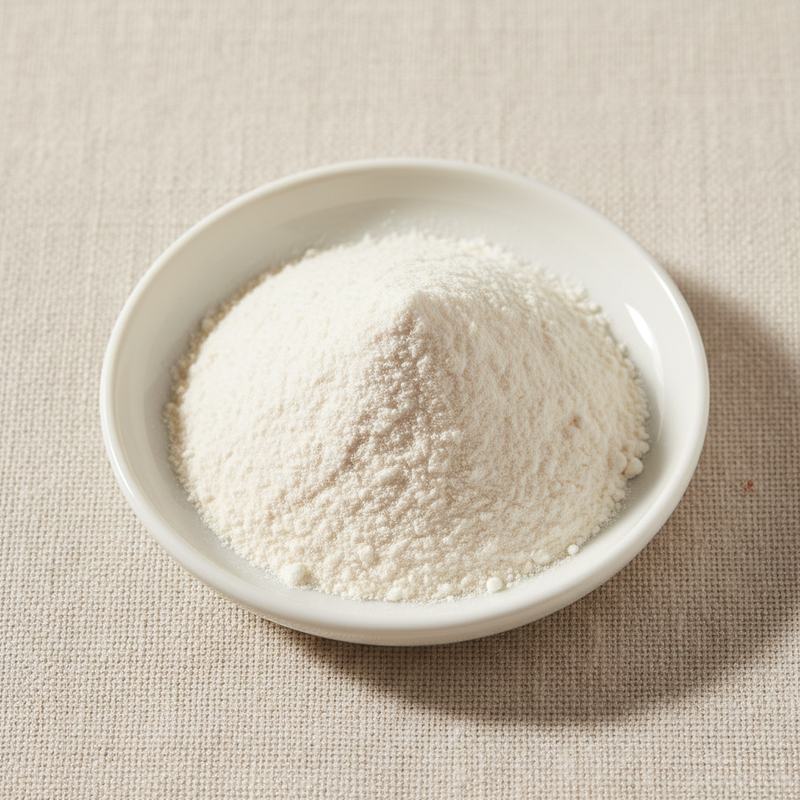
| Whey Protein Isolate | High | Moderate | Low (clean) | Best nutrition, hardens fast |
| Whey Protein Concentrate 80 | High | Moderate | Low to mild | Cheaper, more lactose and fat |
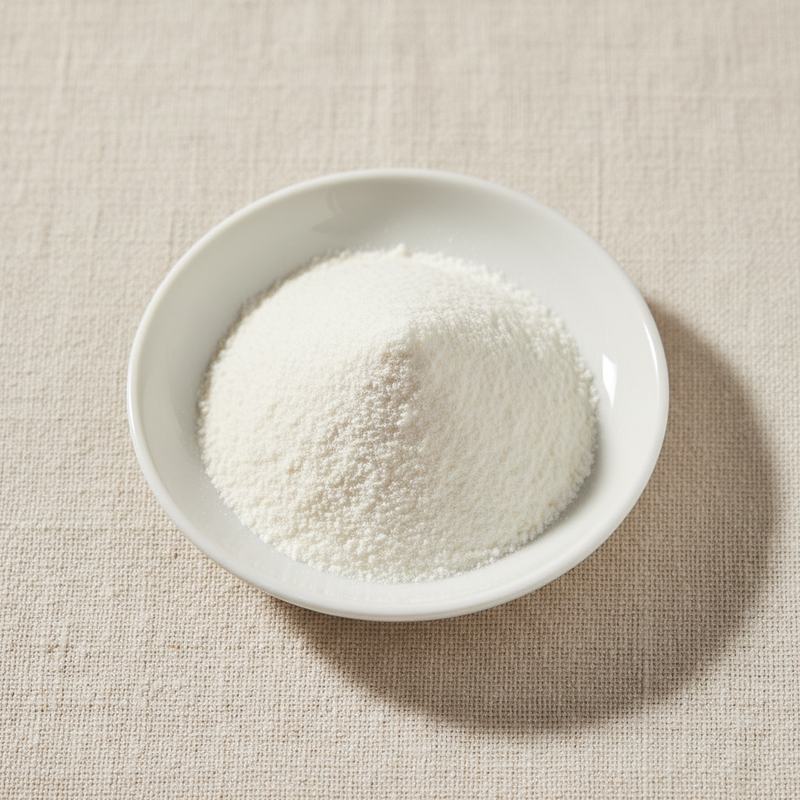
| Sodium Caseinate / milk protein | Low | High | Low | Softening, binds water |
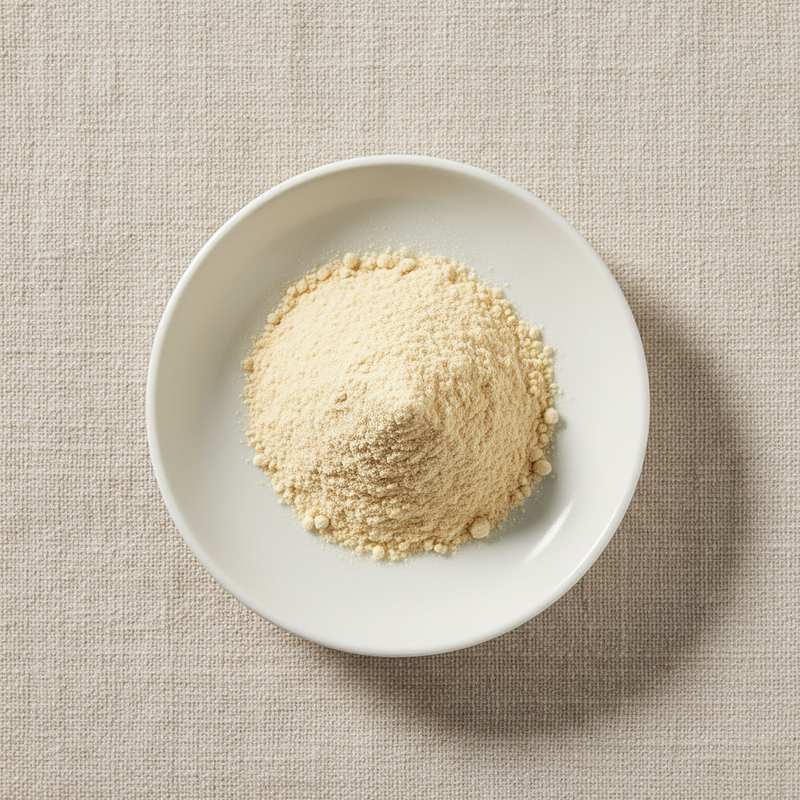
| Isolated Soy Protein | Medium | High | Beany | Cost-effective, complete |
| Isolated Pea Protein | Medium to high | Medium | Earthy | Plant favorite, needs masking |
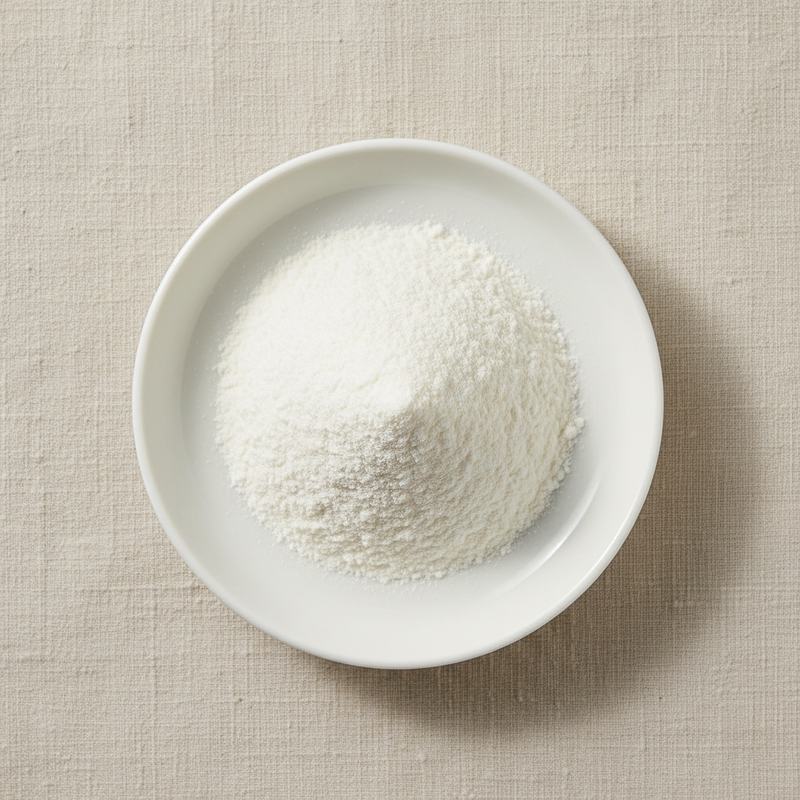
| Hydrolyzed Bovine Collagen | Low | Low | Low | Boosts protein, dilutes hardeners |
Mechanism: why bars harden
Protein aggregation and cross-linking. In a low-moisture matrix, protein particles slowly hydrate, partially unfold, and form new bonds between molecules (hydrogen bonding, hydrophobic interaction, and disulfide exchange, which whey is especially prone to because of its free thiol groups). These bonds build a stiffer network over time, which is felt as hardening. Whey hardens fastest. Casein and collagen, which bind water and cross-link less, stay softer.
Moisture migration. Water moves from high-water-activity regions to low until equilibrium. In a bar, water migrates out of the humectant and binder phase into the dry protein, which fuels aggregation, and out through the wrapper if the barrier is weak. Both dry and stiffen the bar.
Why water activity is the control variable. Hardening tracks water activity (aw) more than total moisture percent. Humectants like Glycerin (Pharmaceutical Grade) and Sorbitol bind water and lower aw, so the same total water drives less migration and less aggregation. A typical soft bar targets aw around 0.5 to 0.6, low enough for microbial safety, high enough to stay soft, held there by humectants rather than free water.
The binder and humectant system
The binder syrup holds the bar together and sets sweetness and glycemic load. For low-sugar bars, build it from Isomaltooligosaccharide (IMO), Resistant Maltodextrin, or Maltitol Syrup rather than glucose syrup, and top sweetness with a high-intensity sweetener such as Sucralose. The soluble fiber doubles as humectant binder.
A worked formula: high-protein, low-sugar bar (per 100 g)
| Component | Amount | Role |
|---|---|---|
| Whey Protein Isolate | 20 g | protein, nutrition |
| Sodium Caseinate or Hydrolyzed Bovine Collagen | 10 g | softening protein |
| Isomaltooligosaccharide (IMO) syrup | 25 g | binder, fiber |
| Maltitol Syrup | 10 g | binder, humectant, sweetness |
| Glycerin | 6 g | humectant, aw control |
| Fat (cocoa butter / coating) | 15 g | eating quality, moisture barrier |
| Soy Lecithin | 0.3 g | emulsification |
| Sucralose, flavor, salt | to taste | sweetness, flavor |
This lands around 30 percent protein with low added sugar. Blend the softening protein with the whey, and hold aw with the glycerin and sorbitol or syrup phase.
Troubleshooting
| Problem | Likely cause | Fix |
|---|---|---|
| Bar hardens over shelf life | Whey aggregation, moisture migration | Blend in casein or collagen, raise humectant, lower aw, better barrier wrap |
| Crumbly, falls apart | Insufficient binder syrup | Raise binder, check syrup solids and ratio |
| Too sticky to handle | Humectant or syrup too high | Reduce glycerin/syrup, raise protein or dry phase |
| Beany or earthy off-note | Soy or pea protein | Mask with cocoa or coffee, add flavor, partial swap to whey or collagen |
| Mold or spoilage | Water activity too high | Lower aw below ~0.6 with humectants, validate |
Choose by what you produce
- If you produce a high-protein dairy bar, blend whey isolate with caseinate or collagen to keep it soft, and control aw with glycerin and sorbitol. The protein trade-offs are in whey vs soy vs pea protein.
- If your finished products are plant-based, pea protein plus a humectant-heavy system, with cocoa or coffee to mask earthy notes.
- If you produce a low-sugar bar, build the binder from IMO and resistant maltodextrin and top sweetness with sucralose.
We supply the protein range, including Whey Protein Isolate, Whey Protein Concentrate 80, Sodium Caseinate, Isolated Soy Protein, Isolated Pea Protein, and Hydrolyzed Bovine Collagen, plus the humectant and binder system, in bulk with documentation. Tell us your protein target and shelf life and we will spec the blend to keep it soft.