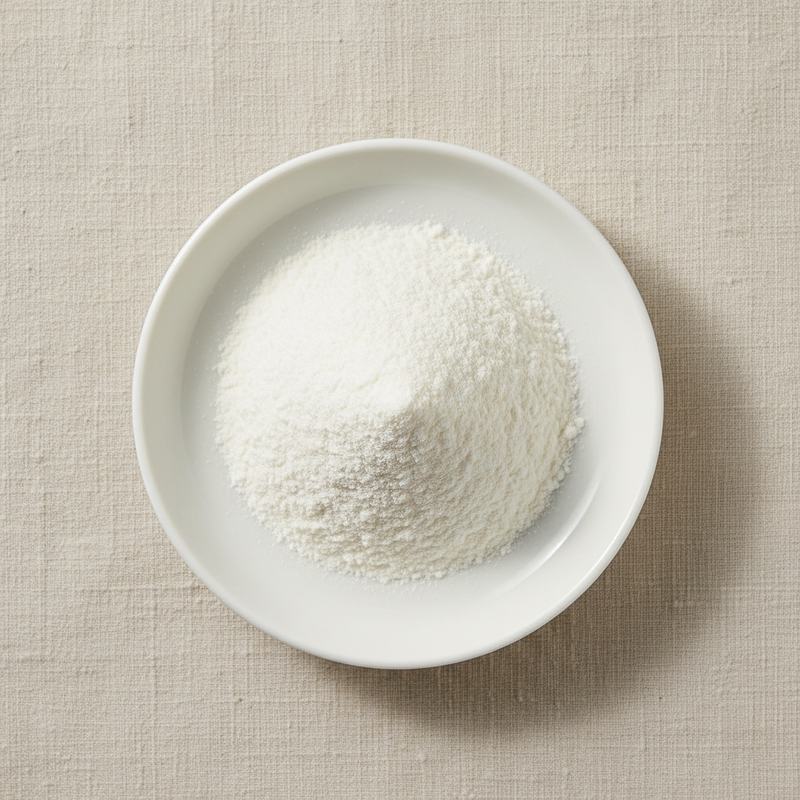
Description
Isolated Soy Protein (SPI) is the most refined commercial soy protein, produced by aqueous extraction of defatted soybean flakes followed by isoelectric precipitation, delivering a minimum 90 percent protein on a dry basis with neutralized flavor profile.
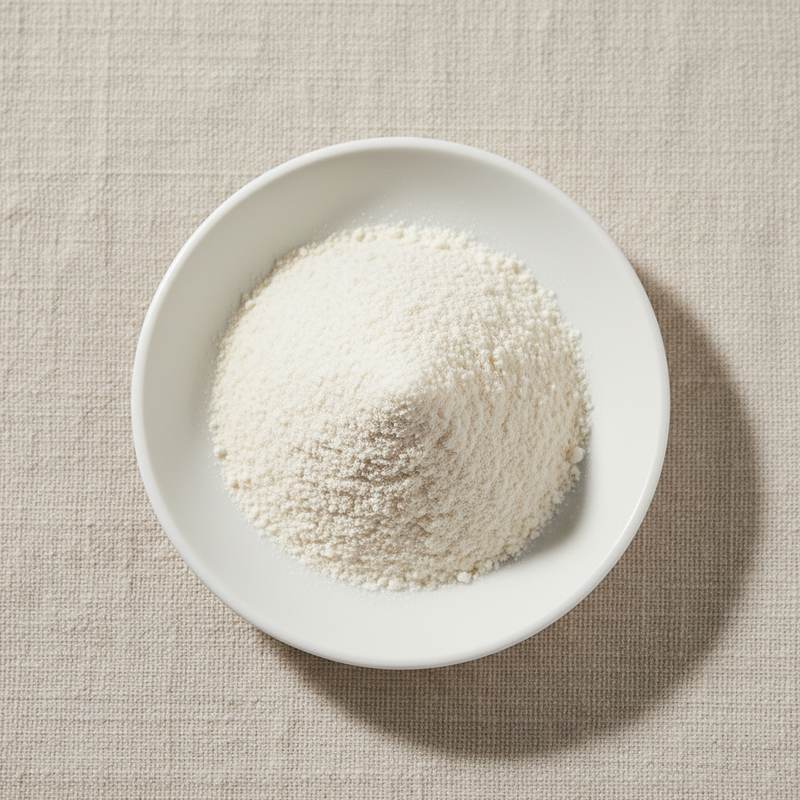
Protein content is the defining commercial specification at 90 percent minimum (Kjeldahl, N x 6.25 for soy), with very low residual fat, carbohydrate, and ash. Light cream to off-white free-flowing powder with mild beany or essentially neutral flavor depending on grade.
The amino acid profile is complete and PDCAAS 1.0-equivalent for human nutrition. Soy is one of the few plant proteins that meets the full essential amino acid requirement on a quality-corrected basis, with notable levels of glutamine, arginine, and BCAAs.
We supply food-grade and infant-nutrition-grade Isolated Soy Protein from manufacturers in China holding ISO, HACCP, Halal, Kosher, non-GMO and other certifications relevant to the product and production.
Common market grades include functional SPI for meat and emulsion applications (high gelation, emulsification), nutritional SPI for beverages and bars (high solubility, neutral flavor), and dispersible SPI for ready-to-drink products. Non-GMO and Identity-Preserved (IP) grades are available. Hydrolyzed soy protein variants for clinical and infant nutrition are produced to customer specification. Bulk and reduced-MOQ shipments. Batch-level COA covering protein, moisture, fat, ash, nitrogen solubility index, and microbiology.
Introduction
Industrial soy protein isolate technology was developed in the United States in the 1950s and 1960s, building on earlier defatted soy flour and concentrate processes. The category became globally significant in the 1970s with the rise of meat-extender applications and again in the 2010s with the plant-based protein wave.
Manufacturing begins with hexane-defatted, dehulled soybean white flakes. The flakes are extracted with alkaline water (pH 8 to 9) to solubilize protein. The extract is clarified, then acidified to the protein isoelectric point (pH 4.5) where the protein precipitates as curd. The curd is washed, neutralized, and spray-dried, yielding the finished isolate.
Recognized as a permitted food ingredient by the U.S. FDA with a long history of safe use, regulated under EU food law, approved for infant formula use in major markets, and the subject of an authorized FDA health claim for cardiovascular benefit at 25 g per day. Non-GMO certification is available where source soybeans are segregated.
Amino acid quality positioning: SPI is the only major plant protein with PDCAAS 1.0 at standard inclusion levels. Lysine is plentiful, methionine is the first limiting amino acid but adequate for adult nutrition. The complete profile makes SPI the workhorse plant protein in formulations targeting nutritional parity with animal proteins.
Strategic positioning: SPI dominates global plant-protein volumes due to a combination of complete amino acid profile, established supply chain at unmatched scale, functional versatility (gelation, emulsification, water binding), and cost per gram of protein below pea, rice, and most other plant alternatives.
Where it is used
- Meat analog products: plant-based burgers, sausages, meatballs, and deli slices
- Meat processing as a binder and emulsifier in injected meats, sausages, and emulsion-style products
- Plant-based dairy alternatives: soy milk, soy yogurt, plant-based cheese
- Sports nutrition powders, vegan protein blends, and meal replacements
- Infant formula (soy-based formulas for cow-milk-intolerant infants)
- Protein-fortified beverages and ready-to-drink shakes
- Nutrition bars and high-protein snacks
- Bakery fortification and high-protein bread systems
- Pet food: premium dry and wet formulations
Technical data
| Item | Specification |
|---|---|
| Appearance | Light cream to off-white free-flowing powder |
| Protein content (Kjeldahl, N x 6.25, dry basis) | ≥ 90.0% |
| Moisture | ≤ 6.0% |
| Fat | ≤ 1.0% |
| Ash | ≤ 6.0% |
| Crude fiber | ≤ 0.5% |
| Nitrogen Solubility Index (NSI) | ≥ 75% (nutritional grade) or per functional spec |
| Particle size | 95% through 100 mesh, or per customer specification |
| Lead (Pb) | ≤ 0.5 mg/kg |
| Arsenic (As) | ≤ 0.5 mg/kg |
| Total plate count | ≤ 30,000 CFU/g |
| Salmonella | Absent in 25 g |
| Allergen statement | Contains soy. |
| Source | Defatted soybean (Glycine max), non-GMO available |
Related ingredients
Ready to discuss business?
Send us your spec and requirement. We will respond with availability and pricing within 24 hours.