Description
Soy Protein Concentrate (SPC) is produced from defatted soy by removing the soluble sugars and minor components while retaining the protein and insoluble carbohydrates, yielding a minimum 65 to 70 percent protein on a dry basis.
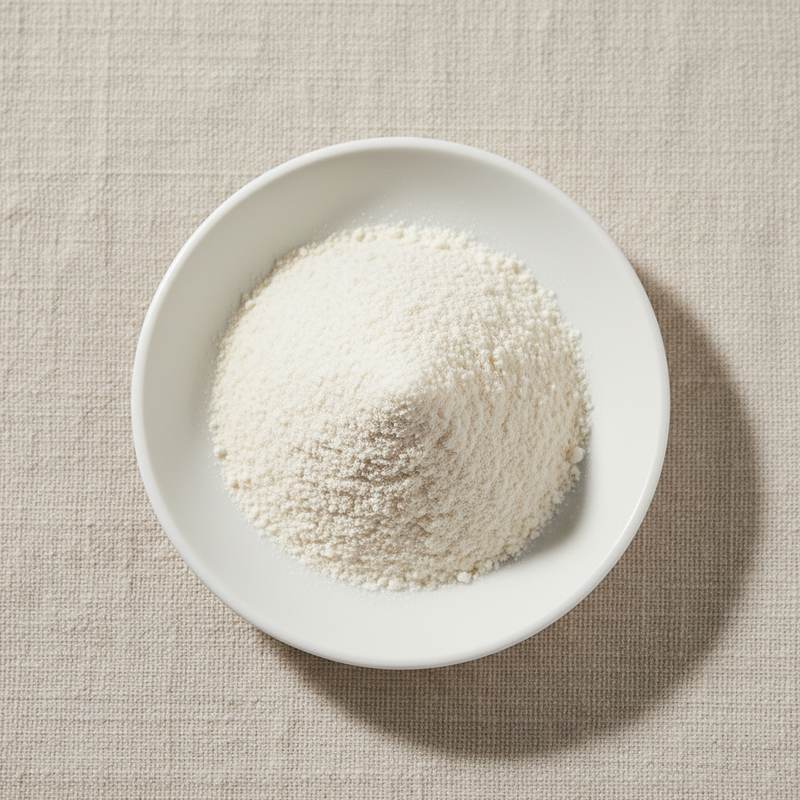
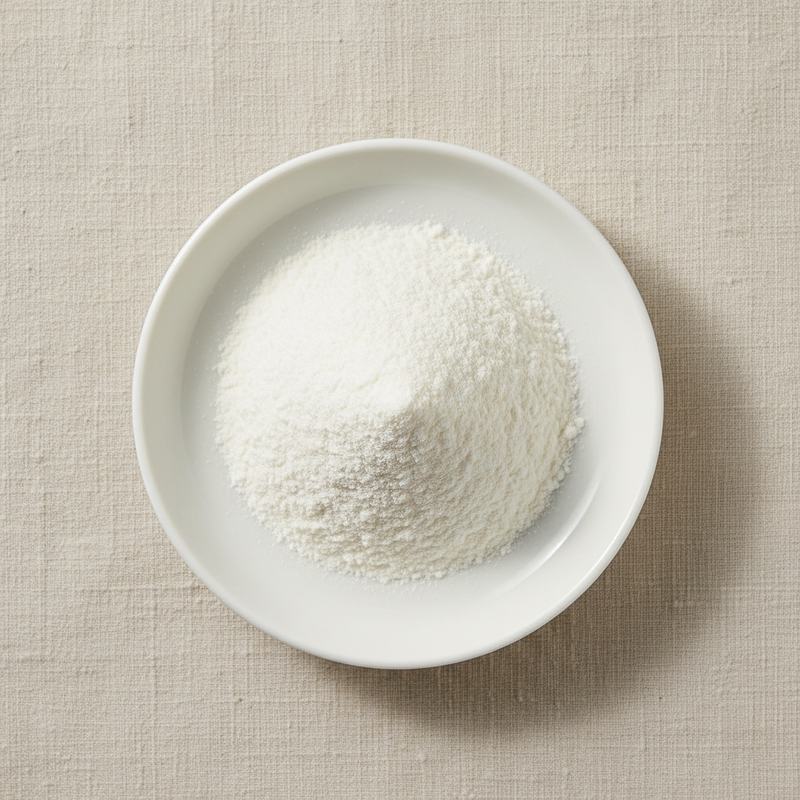
Protein content of 65 to 70 percent is the defining commercial parameter (Kjeldahl, N x 6.25), with the balance being insoluble dietary fiber, residual ash, and minimal fat. Light cream to tan free-flowing powder.
The amino acid profile is identical to SPI on a protein basis: complete, lysine-rich, with methionine as the first limiting amino acid. PDCAAS approaches 1.0 in fortified formulations.
We supply food-grade and feed-grade Soy Protein Concentrate from manufacturers in China holding ISO, HACCP, Halal, Kosher, non-GMO and other certifications relevant to the product and production.
Common market grades include aqueous-alcohol-washed SPC (the dominant food grade), acid-wash SPC, and functional SPC produced by jet-cooking or HMI (high-moisture extrusion) for meat-analog texturization. Defatted Soy Protein Concentrate at 70 percent protein with reduced anti-nutritional factors is available for premium aquaculture and animal nutrition. Bulk and reduced-MOQ shipments. Batch-level COA covering protein, moisture, fat, ash, fiber, residual solvents, and microbiology.
Introduction
Soy Protein Concentrate emerged commercially in the 1960s as a higher-protein, lower-flavor alternative to defatted soy flour, sitting between flour (50 percent protein) and isolate (90 percent protein) in the soy protein hierarchy.
The dominant manufacturing route is aqueous alcohol extraction. Defatted soy white flakes are washed with aqueous ethanol (60 to 80 percent), which dissolves and removes soluble carbohydrates, oligosaccharides, and most flavor compounds while precipitating and retaining the protein together with insoluble polysaccharides. The remaining solids are desolventized and dried.
Recognized as a permitted food ingredient by the U.S. FDA with extensive history of safe use, regulated under EU food law, and the dominant high-protein soy ingredient in global meat processing and aquaculture nutrition.
Amino acid quality positioning is comparable to SPI on a protein basis. The functional advantage of SPC over SPI is twofold: lower cost per gram of protein, and the contribution of native soy fiber, which supports water binding and texture in finished products without the need for separate fiber sources.
Strategic positioning: SPC is the high-volume soy protein for meat processing, plant-based meat extrusion, and aquaculture, where the cost-protein-functionality balance is more attractive than SPI.
Where it is used
- Meat processing: emulsion-type sausages, restructured meats, and injected products
- Plant-based meat analogs: textured and high-moisture extruded formats
- Bakery and bread fortification at high inclusion levels
- Nutrition bars and snacks where fiber contribution is desirable
- Beverage and shake powders at moderate protein-fortification levels
- Aquaculture and high-end animal feed, especially for salmonids and piglets
- Pet food: premium dry and wet formulations
- Infant follow-on nutrition (selected grades)
Technical data
| Item | Specification |
|---|---|
| Appearance | Light cream to tan free-flowing powder |
| Protein content (Kjeldahl, N x 6.25, dry basis) | ≥ 65.0% to 70.0% |
| Moisture | ≤ 8.0% |
| Fat | ≤ 1.0% |
| Ash | ≤ 7.0% |
| Crude fiber | ≤ 5.0% |
| Particle size | 95% through 80 mesh, or per customer specification |
| Lead (Pb) | ≤ 0.5 mg/kg |
| Arsenic (As) | ≤ 0.5 mg/kg |
| Residual ethanol | Meets FCC and EU residual-solvent limits |
| Total plate count | ≤ 30,000 CFU/g |
| Salmonella | Absent in 25 g |
| Allergen statement | Contains soy. |
| Source | Defatted soybean (Glycine max), non-GMO available |
Related ingredients
Ready to discuss business?
Send us your spec and requirement. We will respond with availability and pricing within 24 hours.