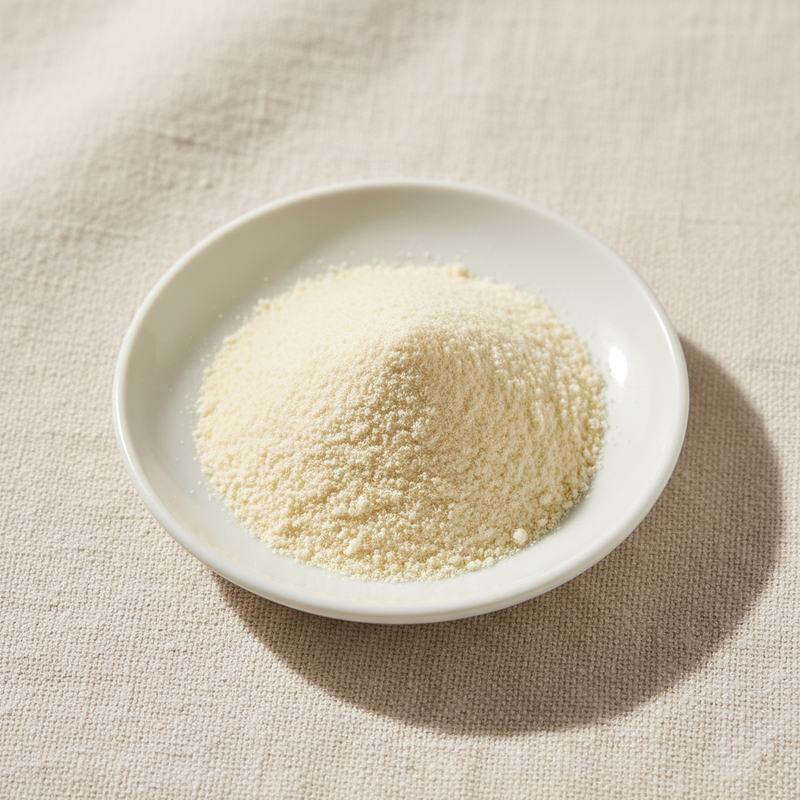
Description
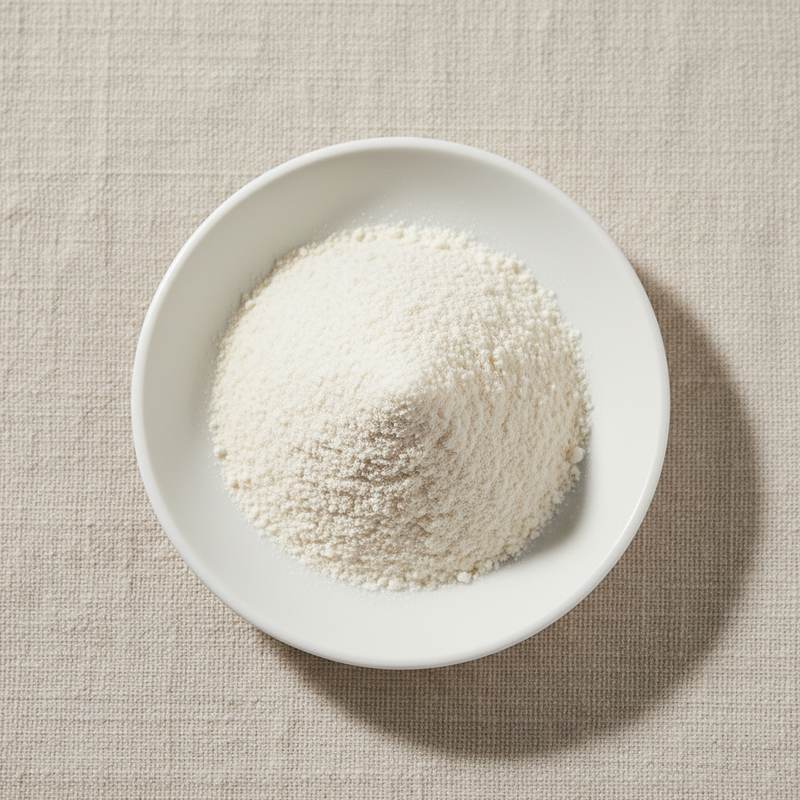
Edible Gelatin is partially hydrolyzed collagen produced by controlled thermal extraction of bovine or porcine collagen-rich tissues, retaining sufficient molecular weight (typically 50,000 to 100,000 Da) to form a thermoreversible gel on cooling. The fundamental gelling, foaming, and film-forming protein of confectionery, dessert, and pharmaceutical manufacturing. Minimum 84 percent protein on a dry basis.
Protein content of 84 to 90 percent (Kjeldahl, N x 5.55) is the headline specification, but the defining commercial parameter is Bloom strength, a measurement of gel rigidity ranging from 50 Bloom (soft) to 300 Bloom (firm). Standard food-grade gelatin runs 200 to 260 Bloom.
The amino acid profile is the collagen signature (glycine, proline, hydroxyproline) inherited from the parent collagen. Gelatin is nutritionally incomplete (no tryptophan) and is sold for functional rather than nutritional reasons.
We supply food-grade and pharmaceutical-grade Gelatin from manufacturers in China holding ISO, HACCP, Halal, Kosher, BSE-free certification, and other certifications relevant to the product and production. Both bovine and porcine sources available; Halal and Kosher certification limited to bovine sources from compliant slaughter.
Common market grades include Type A (acid-process, typically porcine, isoelectric point pH 7 to 9), Type B (alkaline-process, typically bovine, isoelectric point pH 4.5 to 5.5), Bloom strengths from 50 to 300, pharmaceutical-grade for capsule manufacturing, and instant cold-soluble gelatin. Bulk and reduced-MOQ shipments. Batch-level COA covering protein, Bloom strength, viscosity, ash, heavy metals, and microbiology.
Introduction
Gelatin has been processed from animal tissues for at least 2,000 years, used by Egyptian and later Roman cuisines as a luxury jelly ingredient. Industrial gelatin manufacturing emerged in the 19th century and was transformed in the 20th century by the rise of confectionery, dairy, and pharmaceutical applications.
Manufacturing begins with collagen-rich raw materials: bovine hides, bovine bones (demineralized), or porcine skin. Type A gelatin is produced by acid pretreatment of porcine skin or bovine ossein, which preserves more of the native amide groups and produces a higher isoelectric point. Type B gelatin uses extended alkaline pretreatment (lime liquoring of bovine hide or bone), which hydrolyzes amide groups and lowers the isoelectric point. After pretreatment, controlled hot-water extraction releases gelatin into solution, which is then filtered, deionized, evaporated, sterilized, and dried in chilled belt or sheet driers before milling.
Regulated as a permitted food ingredient by the U.S. FDA, regulated under EU food law, listed in major pharmacopoeias (USP, EP, JP, BP) for pharmaceutical use, and subject to EU TSE regulations and BSE-free sourcing requirements for bovine material.
Functional positioning: gelatin is the most widely used hydrocolloid in confectionery and pharmaceuticals because no other protein or polysaccharide reproduces its unique combination of thermoreversible gelation in cold water, melt-in-the-mouth texture at body temperature, foaming, and film-forming properties.
Strategic positioning: gelatin remains a globally essential ingredient despite competition from plant-based gelling agents (agar, carrageenan, pectin). The confectionery and pharmaceutical sectors continue to rely on gelatin's unique textural and capsule-forming properties.
Where it is used
- Gummy candies, jellies, marshmallows, and soft confectionery
- Hard and soft pharmaceutical capsule shells; the dominant capsule material globally
- Dessert powders, mousses, and panna cotta-style products
- Yogurt and dairy desserts: texture and water-binding
- Aspic, terrines, and meat-jelly products
- Ice cream and frozen desserts: stabilizer and texturizer
- Wine and juice clarification (fining agent)
- Photographic and printing emulsions (industrial grades)
- Tablet binders and pharmaceutical coatings
Technical data
| Item | Specification |
|---|---|
| Appearance | Light yellow to amber granules or powder |
| Protein content (Kjeldahl, N x 5.55, dry basis) | ≥ 84.0% |
| Bloom strength | 200 to 260 (customizable from 50 to 300) |
| Viscosity (6.67% at 60 °C) | 3.5 to 5.5 mPa·s |
| Moisture | ≤ 14.0% |
| Ash | ≤ 2.0% |
| pH (1% solution) | 5.0 to 7.0 (Type B), 4.5 to 6.5 (Type A) |
| Particle size | 8, 20, or 30 mesh, or per customer specification |
| Lead (Pb) | ≤ 1.5 mg/kg |
| Arsenic (As) | ≤ 0.8 mg/kg |
| Total plate count | ≤ 1,000 CFU/g |
| Salmonella | Absent in 25 g |
| Allergen statement | Free from the eight major U.S. allergens and the 14 EU declarable allergens. Contains bovine or porcine-derived material. |
| Source | Bovine hide or bone, or porcine skin; BSE-free certified for bovine |
Related ingredients
Ready to discuss business?
Send us your spec and requirement. We will respond with availability and pricing within 24 hours.