Description
A natural-source heteropolysaccharide extracted from citrus peel and apple pomace. The dominant gelling agent in jam, jelly, and fruit-preserve manufacturing globally and an increasingly important hydrocolloid in dairy beverage and confectionery applications.
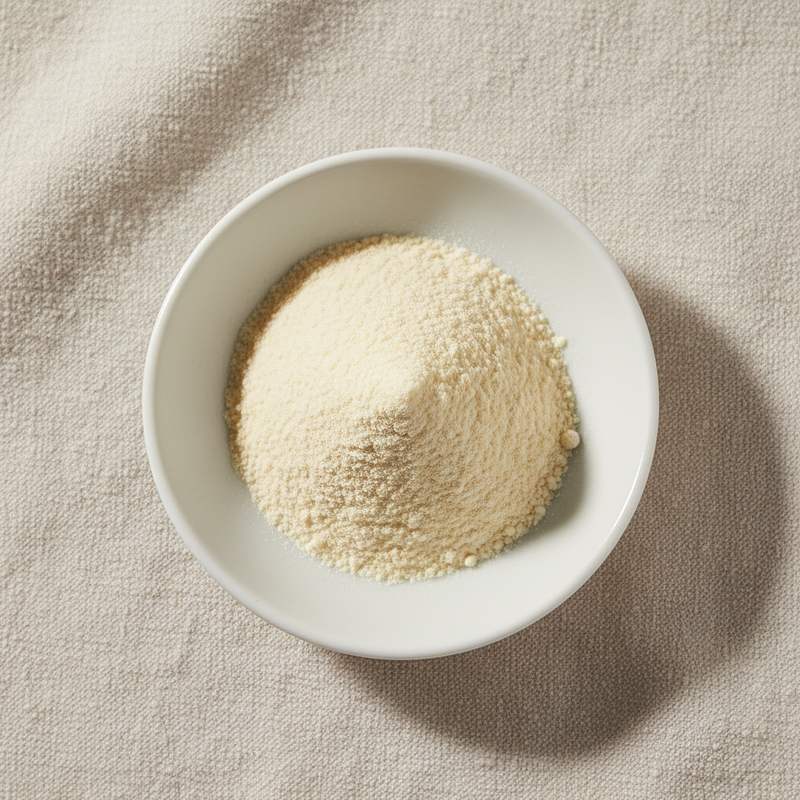
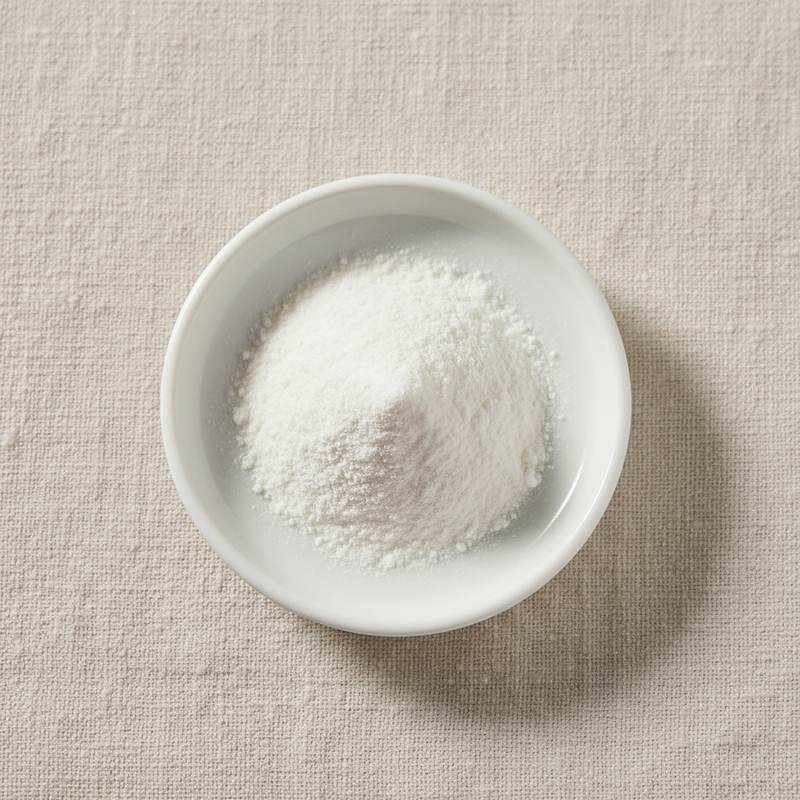
White to light brown free-flowing powder. Two principal commercial fractions (High-Methoxyl and Low-Methoxyl) require different gelling conditions, allowing formulators to match pectin chemistry to application chemistry.
We supply food-grade and pharmaceutical-grade Pectin from manufacturers in China holding ISO, Halal, Kosher and other certifications relevant to the product and production. Non-GMO is inherent to citrus and apple sources.
Common market grades include High-Methoxyl Pectin (HM, 50 to 75 percent esterified, requires sugar and acid for gelling, the traditional jam grade), Low-Methoxyl Pectin (LM, 20 to 50 percent esterified, gels with calcium without sugar dependence), Amidated LM Pectin (modified for tighter gel-strength control), Citrus Pectin (premium grade), and Apple Pectin.
Bulk and reduced-MOQ shipments. Batch-level COA covering galacturonic acid content, methoxyl content, gel grade, particle size, heavy metals, and microbiology.
Introduction
Pectin was first isolated by French chemist Henri Braconnot in 1825 (the Greek word for 'congealed', pektikos, gives the compound its name). The hydrocolloid has been used in jam manufacturing on industrial scale since the late 1800s.
Industrial production proceeds by acid hot-water extraction of citrus peel (lemon, lime, orange) or apple pomace, followed by alcohol precipitation, washing, drying, and milling. High-Methoxyl Pectin is the native form; Low-Methoxyl Pectin is produced by partial deesterification under controlled alkaline or enzymatic conditions.
Regulated as E440 in the EU (E440a for HM Pectin, E440b for LM Amidated Pectin), classified as Generally Recognized as Safe by the U.S. FDA, listed in BP, USP, EP, and JP pharmacopoeias, and approved by JECFA without a numerical Acceptable Daily Intake limit.
The molecule is a galacturonic-acid polymer with variable methoxyl-ester substitution. The methoxyl content determines gelling chemistry: HM Pectin gels at pH 3 with at least 55 percent sugar through hydrogen-bonding interactions; LM Pectin gels with calcium ions across a wider pH range without sugar dependence.
Strategic dominance in jam manufacturing has been augmented since the 1990s by rapid growth in dairy-beverage applications, where Pectin's casein-stabilization properties at low pH make it the only hydrocolloid that can produce shelf-stable acidic dairy drinks like drinkable yogurt and the explosively growing yogurt-drink category in China and Asia.
Where it is used
- Jams, jellies, fruit preserves, and marmalades; the dominant gelling agent in this category globally
- Fruit fillings, dessert toppings, and bakery applications
- Acidic dairy beverages: drinkable yogurt, fruit-flavored milk, lassi, and ayran; stabilizes casein at pH 3.8 to 4.5
- Confectionery: gummies, fruit pastes (pâte de fruits), Turkish delight, and fruit lozenges
- Frozen desserts: sorbet, fruit ice creams, and acidic frozen products
- Pharmaceutical applications: anti-diarrheal preparations and dietary fiber supplements
- Reduced-sugar and diabetic-friendly fruit products using LM Pectin (no sugar dependence)
- Plant-based meat alternatives: structural gel components
- Cosmetic skincare: natural-positioning gel matrices
Technical data
| Item | Specification |
|---|---|
| Appearance | White to light brown free-flowing powder |
| Galacturonic acid content | ≥ 65.0% |
| Methoxyl content | ≥ 6.7% (HM) / ≤ 6.7% (LM) |
| Loss on drying | ≤ 12.0% |
| Ash | ≤ 5.0% |
| Heavy metals (as Pb) | ≤ 5 mg/kg |
| Arsenic | ≤ 3 mg/kg |
| Sulphur dioxide | ≤ 50 mg/kg |
| Gel grade (USA-SAG) | 150 / 200 / 250 (grade dependent) |
Related ingredients
Ready to discuss business?
Send us your spec and requirement. We will respond with availability and pricing within 24 hours.