Description
A family of sulfated galactose polysaccharides extracted from red seaweed (principally Eucheuma species). The dominant hydrocolloid in dairy and meat applications globally, with particular value for its strong synergy with milk proteins.
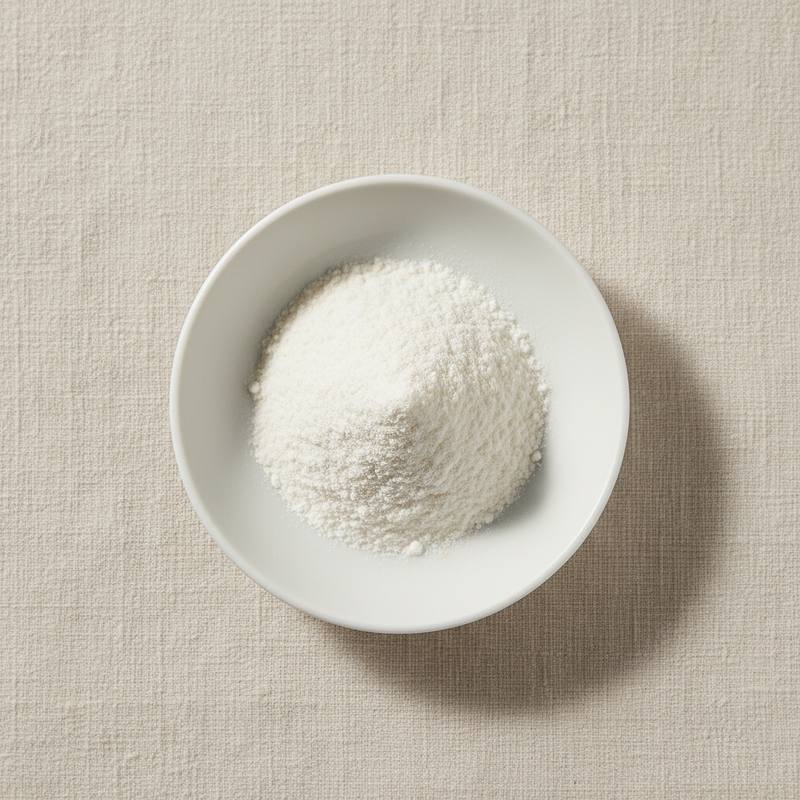
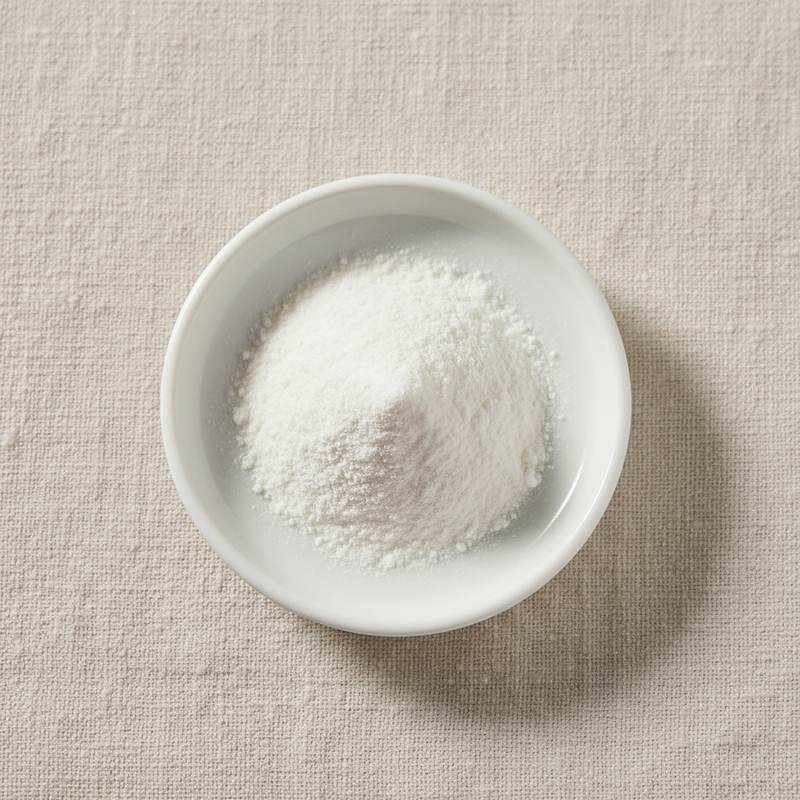
White to yellowish powder. Three commercial fractions (Kappa, Iota, Lambda) produce different gel and viscosity profiles, allowing formulators to tune finished-product texture across a wide range.
We supply food-grade Carrageenan from manufacturers in China holding ISO, Halal, Kosher and other certifications relevant to the product and production.
Common market grades include Kappa Carrageenan (firm brittle gels with potassium ions, the dominant cheese and meat-application form), Iota Carrageenan (soft elastic gels with calcium ions, used in dairy desserts), Lambda Carrageenan (non-gelling thickener, used in dairy beverages), Refined Carrageenan, and Semi-Refined Processed Eucheuma Seaweed (PES, the cost-effective grade).
Bulk and reduced-MOQ shipments. Batch-level COA covering viscosity, gel strength, sulphate content, ash, heavy metals, and microbiology.
Introduction
Carrageenan has been used as a gelling agent in coastal Ireland and Scotland since at least the 1800s under the name 'Irish moss', referring to its source seaweed Chondrus crispus. Modern industrial production has shifted to cultivated Eucheuma species in Southeast Asia for cost and supply-stability reasons.
Industrial production proceeds by alkaline hot-water extraction of dried Eucheuma seaweed, followed by either filtration and alcohol precipitation (yielding Refined Carrageenan) or simply drying and milling (yielding Semi-Refined PES Carrageenan, a cost-effective grade with somewhat higher impurity profile).
Regulated as E407 in the EU, classified as Generally Recognized as Safe by the U.S. FDA for finished foods (with specific exclusions for some infant formula applications), and approved by JECFA with an Acceptable Daily Intake group of 75 mg per kg body weight.
The three commercial fractions differ in sulphate content and structure: Kappa carrageenan has one sulphate group per disaccharide unit and forms strong brittle gels with potassium; Iota has two sulphates and forms soft elastic gels with calcium; Lambda has three sulphates and does not gel but provides high viscosity. Each fraction has distinct application areas.
Strategic dominance in dairy applications comes from a unique property: kappa-carrageenan binds milk casein at very low concentrations (0.01 to 0.03 percent) to suspend cocoa particles in chocolate milk and stabilize ice cream texture. No competing hydrocolloid matches this milk-protein synergy at the same use level.
Where it is used
- Cured meat and processed meat: ham, sausage, deli meats; the dominant binding and water-retention agent in this category
- Dairy: chocolate milk, ice cream, yogurt, dairy desserts; strong synergy with milk casein produces stable suspensions
- Plant-based milks and dairy alternatives
- Frozen desserts: ice cream texture, freeze-thaw stability, and overrun control
- Toothpaste: rheology modifier and binder
- Pet food: gel formation in canned and pouched wet food
- Pharmaceutical formulations including suspensions and topical preparations
- Cosmetic applications: shampoos, lotions, and creams
- Salad dressings, sauces, and condiments requiring stable emulsions
Technical data
| Item | Specification |
|---|---|
| Appearance | White to yellowish powder |
| Viscosity (1.5% at 75 °C) | 50 to 800 cP (grade dependent) |
| Gel strength (1.5% in 0.1% KCl) | 200 to 1100 g/cm² (Kappa grades) |
| Sulphate content | 15% to 40% (fraction dependent) |
| Loss on drying | ≤ 12.0% |
| Ash | 15.0% to 40.0% |
| Heavy metals (as Pb) | ≤ 5 mg/kg |
| Arsenic | ≤ 3 mg/kg |
| Particle size | Per customer specification |
Related ingredients
Ready to discuss business?
Send us your spec and requirement. We will respond with availability and pricing within 24 hours.