Description
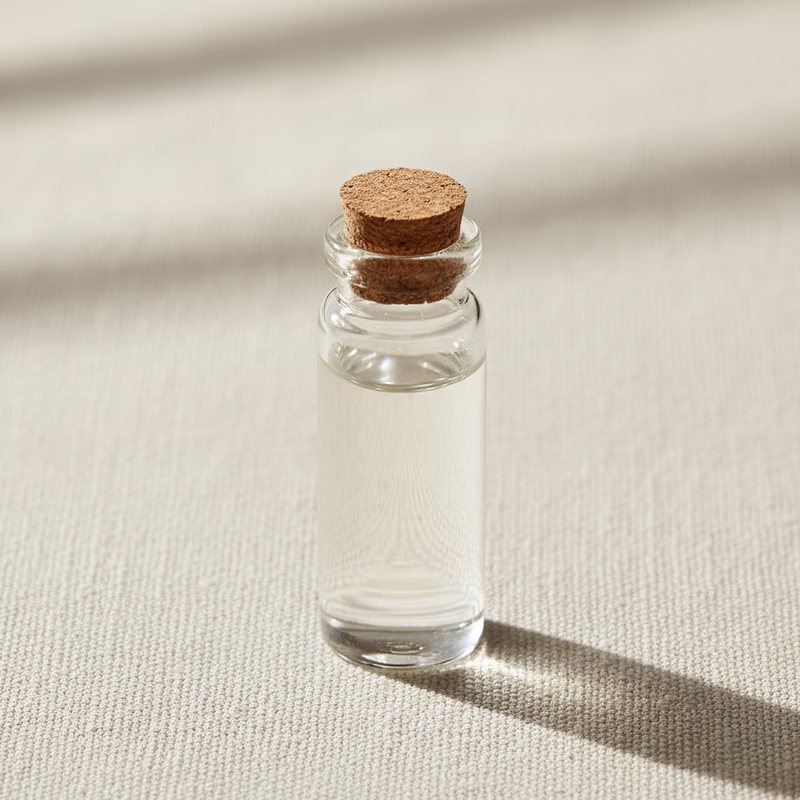
A clear viscous liquid sweetener produced by enzymatic or acid hydrolysis of starch, with sweetness rising in proportion to dextrose equivalent (DE) value. Standard commercial grades range from DE 38 to DE 68, balancing sweetness, viscosity, and crystallization control.
Clear, colorless to slightly yellow viscous liquid. Used as a sucrose substitute and crystallization-control agent across confectionery, bakery, dairy, and beverage manufacturing.
We supply food-grade Glucose Syrup from manufacturers in China holding ISO, Halal, Kosher and other certifications relevant to the product and production.
Common market grades are categorized by DE: Low-Conversion (DE 38 to 42, dominant in hard candy for crystal control), Regular Conversion (DE 42 to 55, the workhorse for most confectionery and bakery), High-Conversion (DE 55 to 68, used where higher sweetness is required), and High-Maltose Syrup (DE 40 to 50 with maltose-rich profile, used in beer brewing and gummy confections).
Bulk shipments in tankers, IBC totes, and drums. Batch-level COA covering DE, dry substance, pH, sulfated ash, sulphur dioxide, color, and microbiology.
Introduction
Glucose Syrup, also called liquid glucose, is the foundational liquid sweetener of modern confectionery and processed-food manufacturing. The commercial category covers any starch hydrolysate above DE 20.
Production proceeds by partial hydrolysis of starch, most commonly corn but also wheat, tapioca, rice, or potato, using α-amylase and glucoamylase under controlled conditions to reach the target DE. The hydrolysate is then purified through carbon decolorization, ion exchange, and evaporation to a defined dry-substance percentage.
Recognized as a permitted food ingredient by the U.S. FDA, the European Food Safety Authority, and equivalent regulators worldwide. No Acceptable Daily Intake is assigned, reflecting status as a digestible food carbohydrate.
Caloric value is 4 kcal per gram dry basis, equivalent to sucrose. Glycemic response varies with composition: low-DE syrups deliver sustained glucose release, while high-DE syrups behave like dextrose with a glycemic index near 100.
Strategic role in confectionery is twofold: as a sweetener contributing 30 to 60 percent of formulation sweetness, and as a crystallization-control agent that prevents sucrose from forming the gritty crystals characteristic of poorly formulated candy. The DE selection determines which role dominates: low DE for crystal control, high DE for sweetness contribution.
Where it is used
- Hard candies, lollipops, and sugar confectionery; controls sucrose crystallization to keep candy clear and shelf-stable
- Soft confectionery: gummies, jellies, marshmallows, fondant, and caramels
- Bakery products: bread, cake fillings, and pastries; humectant action and yeast-fermentation substrate
- Ice cream and frozen desserts; depresses freezing point and controls texture
- Brewing: adjunct sweetener and fermentable substrate, particularly High-Maltose Syrup for craft beer
- Jams, fruit preserves, dessert fillings, and toppings
- Glaze and surface treatments for breads, pretzels, and bakery showpieces
- Pharmaceutical syrups and oral solutions requiring liquid sweetener carrier
- Sauces, condiments, ketchup, and barbecue sauces
Technical data
| Item | Specification |
|---|---|
| Appearance | Clear, colorless to slightly yellow viscous liquid |
| Dry substance | ≥ 75.0% |
| Dextrose Equivalent (DE) | 38 to 68 (varies by grade) |
| pH | 4.0 to 6.0 |
| Sulfated ash | ≤ 0.5% |
| Sulphur dioxide | ≤ 20 mg/kg |
| Total plate count | ≤ 3000 cfu/g |
Related ingredients
Ready to discuss business?
Send us your spec and requirement. We will respond with availability and pricing within 24 hours.