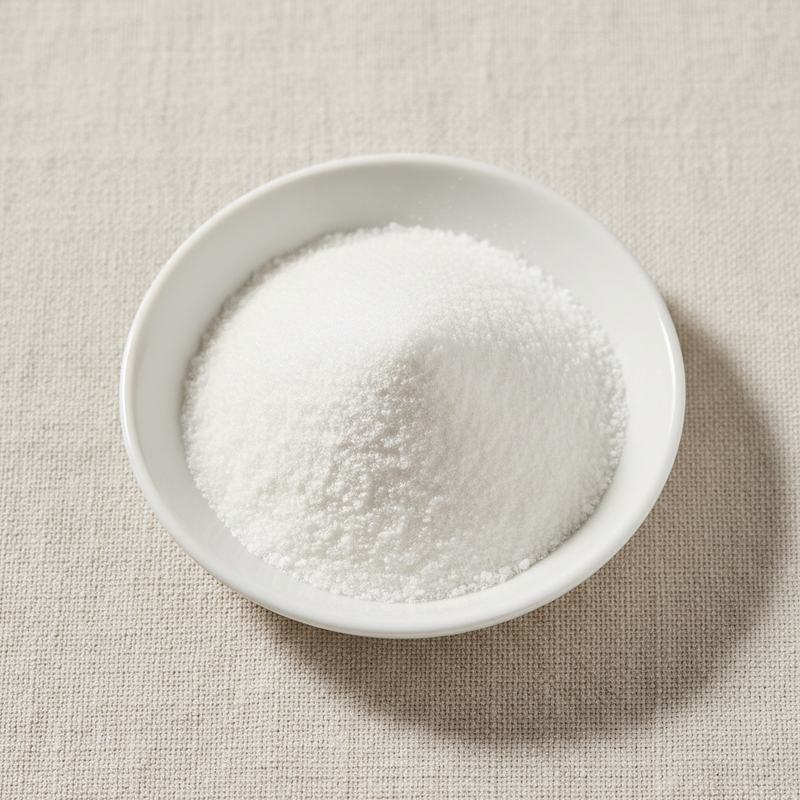
Description
The chemical and commercial name for D-glucose. Approximately 70 to 80 percent the sweetness of sucrose with a clean, cool taste. Available in two crystalline forms: Monohydrate (one bound water of crystallization) and Anhydrous (water-free).
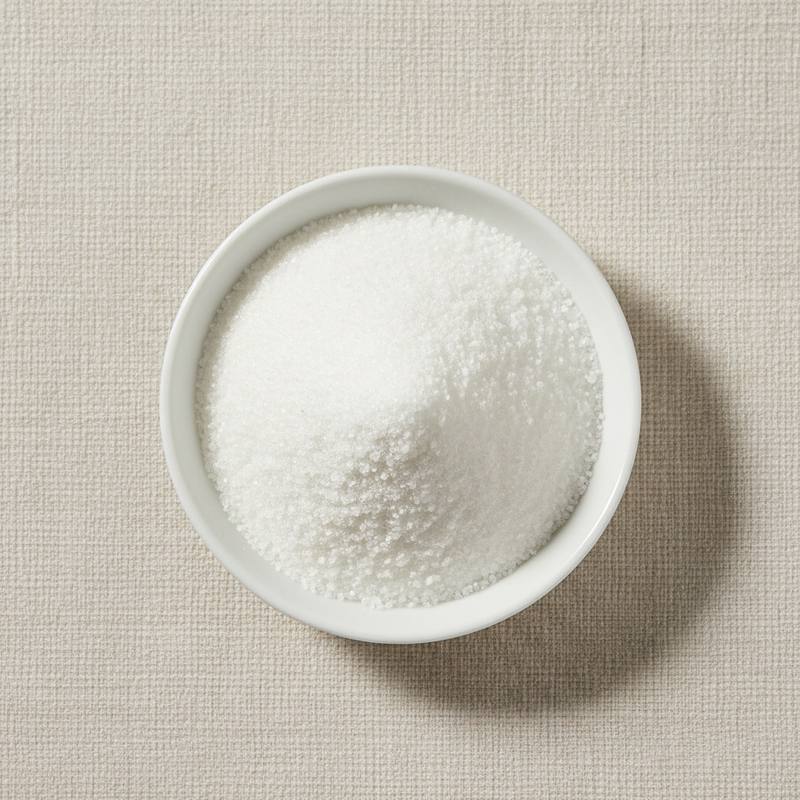
White crystalline powder. Monohydrate is the lower-cost workhorse format dominant in confectionery and bakery; Anhydrous serves applications requiring water-activity control or pharmacopoeial compliance.
We supply both grades from manufacturers in China holding ISO, Halal, Kosher and other certifications relevant to the product and production. Pharmaceutical-grade material to USP, EP, JP, and BP specifications is available on request.
Common market formats include Dextrose Monohydrate (the workhorse confectionery and bakery grade), Dextrose Anhydrous (for water-activity control and pharmacopoeial use), and Direct-Compression (DC) grades for pharmaceutical tableting.
Bulk and reduced-MOQ shipments. Batch-level COA covering dextrose content, specific rotation, pH, residue on ignition, and microbiology.
Introduction
Dextrose is the commercial name for D-glucose. Both Monohydrate and Anhydrous forms are derived from the same base hydrolysate, with the choice between them driven by application-specific water activity, shelf-life, and pharmacopoeial requirements.
Production proceeds by complete enzymatic hydrolysis of starch, most commonly corn but also wheat, tapioca, rice, or potato. α-Amylase liquefies the starch to oligosaccharides; glucoamylase then completes hydrolysis to dextrose. The hydrolysate is purified through carbon decolorization and ion exchange before crystallization.
Recognized as a permitted food ingredient by the U.S. FDA, the European Food Safety Authority, and listed in major pharmacopoeias for pharmaceutical applications. No Acceptable Daily Intake is assigned.
Caloric value is 4 kcal per gram for Anhydrous and approximately 3.6 kcal per gram for Monohydrate (after accounting for the bound water). Glycemic index is 100 for both, as Dextrose is the reference standard for the GI scale.
The strategic role across food and pharmaceutical applications is twofold: as a low-cost bulk sweetener with clean taste, and as a fundamental fermentation substrate where the carbohydrate functions as a carbon source rather than a sweetness contributor.
Where it is used
- Confectionery: hard candies, soft candies, fondant, and panned confections
- Bakery products including bread, cookies, and pastries; supports yeast fermentation, browning, and crust color
- Sports nutrition products requiring rapid carbohydrate availability
- Pharmaceutical injectable solutions, oral rehydration salts, and tablet excipients (Anhydrous, USP/EP grade)
- Ice cream, frozen desserts, and dairy applications; freezing-point depression and bulk
- Sausage, ham, and processed meat formulations; fermentation substrate and color development
- Wine, beer, and beverage fermentation
- Industrial fermentation feedstock for citric acid, amino acids, enzymes, and vitamins
- Tabletop sweetener products and 1:1 sucrose-replacement blends
Technical data
| Item | Specification |
|---|---|
| Available grades | Monohydrate, Anhydrous |
| Appearance | White crystalline powder |
| Dextrose content (dry basis) | ≥ 99.5% |
| Specific rotation | +52.5° to +53.5° |
| Loss on drying | ≤ 9.0% (monohydrate) / ≤ 0.5% (anhydrous) |
| Residue on ignition | ≤ 0.1% |
| pH (10% solution) | 3.5 to 6.5 |
| Heavy metals (as Pb) | ≤ 0.5 ppm |
| Particle size | Per customer specification |
Related ingredients
Ready to discuss business?
Send us your spec and requirement. We will respond with availability and pricing within 24 hours.