Description
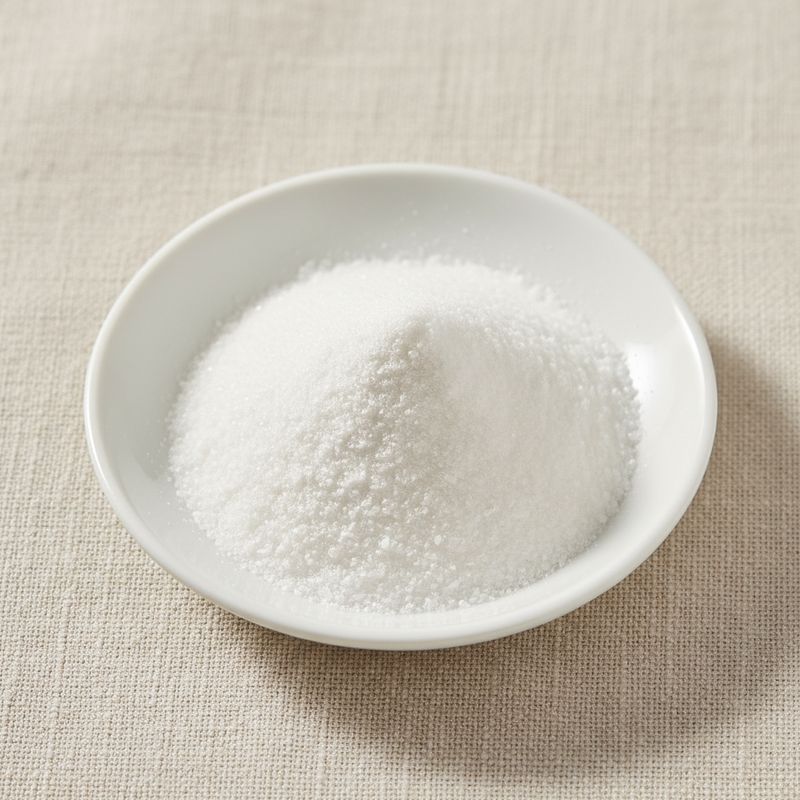
The anhydrous crystalline form of D-glucose with approximately 70 to 80 percent the sweetness of sucrose and a cool, clean taste. The benchmark sweetener for sports nutrition and pharmaceutical glucose applications.
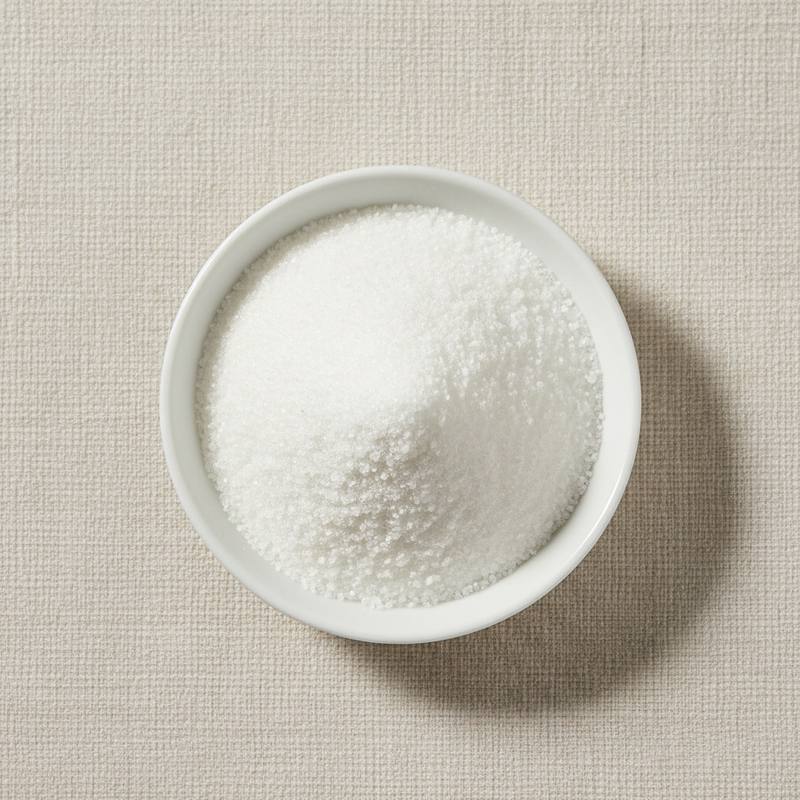
White crystalline powder. Free-flowing, low-moisture form preferred where extended shelf life and water-activity control matter. Distinct from Dextrose Monohydrate, which carries one bound water of crystallization.
We supply food-grade and pharmaceutical-grade Dextrose Anhydrous from manufacturers in China holding ISO, Halal, Kosher and other certifications relevant to the product and production.
Common market grades include Anhydrous Food Grade, USP/EP/JP/BP Pharmaceutical Grade, and Direct-Compression (DC) Grade for tablet excipient use.
Bulk and reduced-MOQ shipments. Batch-level COA covering dextrose content, specific rotation, pH, sulphated ash, and microbiology.
Introduction
Dextrose is the chemical and commercial name for D-glucose, the principal blood sugar of mammals and the dominant monosaccharide in human metabolism.
Industrial production proceeds by complete enzymatic hydrolysis of corn, wheat, tapioca, rice, or potato starch using α-amylase followed by glucoamylase, achieving a dextrose equivalent above 95. The hydrolysate is purified through carbon decolorization and ion exchange, then crystallized to either Dextrose Monohydrate or, after secondary recrystallization at lower water activity, to Dextrose Anhydrous.
Recognized as a permitted food ingredient by the U.S. FDA, the European Food Safety Authority, and listed in USP, EP, JP, and BP pharmacopoeias for pharmaceutical use. No Acceptable Daily Intake is assigned, reflecting its status as a fundamental human metabolite.
Caloric value is 4 kcal per gram. Glycemic index of 100 by definition; Dextrose is the reference standard against which all other carbohydrates are measured.
The choice between Anhydrous and Monohydrate is driven by water activity and shelf-life requirements: Monohydrate is lower cost and dominant in confectionery, while Anhydrous is preferred where moisture stability, direct compression, or pharmaceutical specifications apply.
Where it is used
- Sports nutrition: pre-workout, intra-workout, and post-workout carbohydrate powders requiring rapid glucose availability
- Pharmaceutical injectable solutions and oral rehydration formulations; USP/EP grade required
- Confectionery, hard candies, fondant, and panned coatings
- Bakery products: bread, cookies, and pastries; supports browning and yeast fermentation
- Ice cream and frozen desserts; freezing-point control and bulking
- Tabletop sweetener products and direct-compression tablet excipient
- Fermentation feedstock for industrial production of citric acid, amino acids, vitamins, and enzymes
- Wine and beverage fermentation supplementation
Technical data
| Item | Specification |
|---|---|
| Appearance | White crystalline powder |
| Dextrose content (dry basis) | ≥ 99.5% |
| Loss on drying | ≤ 0.5% |
| pH (10% solution) | 4.0 to 7.0 |
| Sulphated ash | ≤ 0.1% |
| Heavy metals (as Pb) | ≤ 5 mg/kg |
| Arsenic | ≤ 1 mg/kg |
| Specific rotation | +52.5° to +53.5° |
| Particle size | Per customer specification |
Related ingredients
Ready to discuss business?
Send us your spec and requirement. We will respond with availability and pricing within 24 hours.