Description
A natural phospholipid complex recovered from the degumming of crude soybean oil, used across food, feed, and pharmaceutical formulations as the most widely available natural emulsifier, wetting agent, and viscosity modifier.
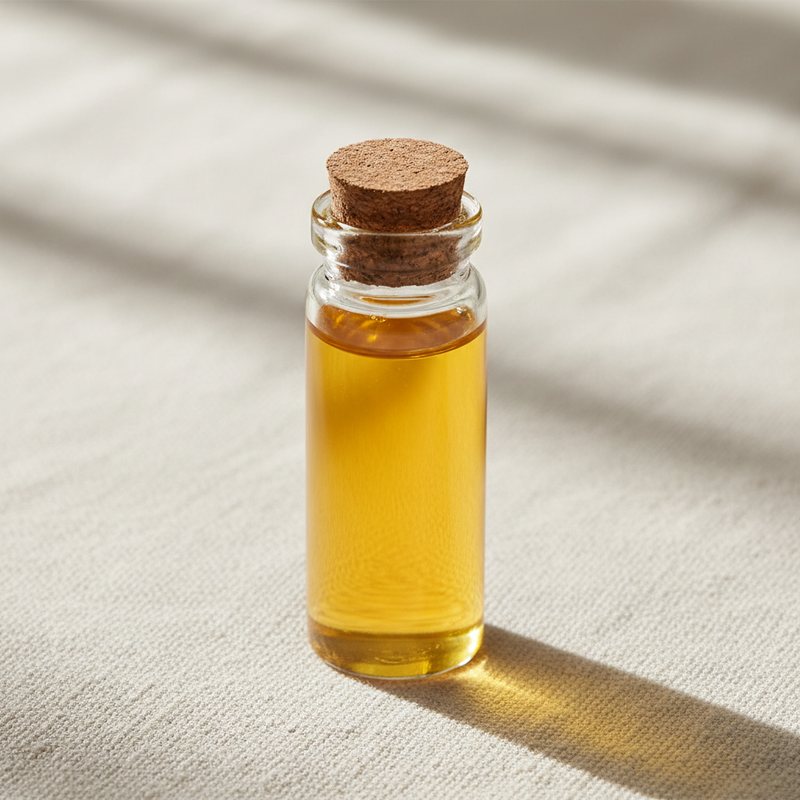
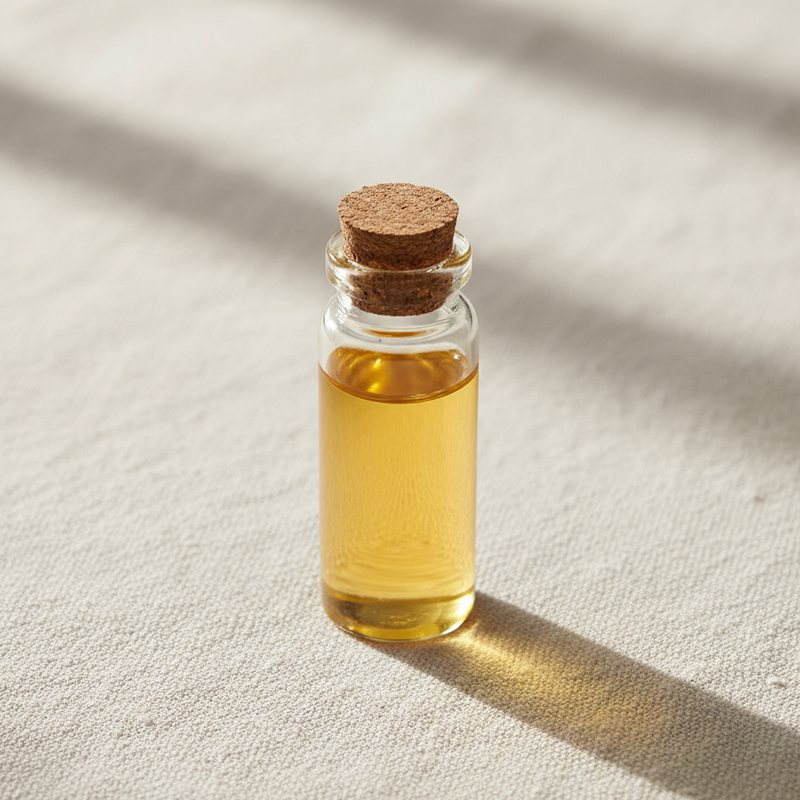
Yellow to brown viscous liquid with a mild characteristic odor. Composed primarily of phosphatidylcholine, phosphatidylethanolamine, phosphatidylinositol, and residual triglycerides. Acetone-insoluble matter typically 60 to 65 percent for fluid grades.
We supply food-grade Soy Lecithin from manufacturers in China holding ISO, Halal, Kosher and other certifications relevant to the product and production. Non-GMO documentation is available on request.
Common market grades include standard fluid lecithin, bleached and double-bleached fluid grades for color-sensitive applications, deoiled powdered lecithin at 95 percent acetone-insolubles, and modified grades such as hydroxylated, hydrolyzed, and enzymatically treated lecithins for specific functional needs.
Bulk and reduced-MOQ shipments. Batch-level COA covering acid value, peroxide value, acetone-insoluble matter, hexane-insoluble matter, moisture, and microbiology.
Introduction
Lecithin was first isolated from egg yolk by French pharmacist Theodore Gobley in 1845, who named it after the Greek lekithos meaning yolk. Commercial soy lecithin emerged in the 1930s as a by-product of the expanding soybean oil industry in the United States and Germany.
Production begins with the degumming step of crude soybean oil refining: water or steam hydrates the phospholipid fraction, which separates from the oil and is then dried to yield fluid lecithin. Further processing produces deoiled, fractionated, hydrolyzed, hydroxylated, or enzymatically modified grades targeting specific HLB ranges and dispersion behavior.
Regulated as E322 in the EU, classified as Generally Recognized as Safe by the U.S. FDA, and approved by JECFA without a numerical Acceptable Daily Intake limit. Universally accepted in food, feed, pharmaceutical, and cosmetic regulation.
The functional mechanism is amphiphilic: each phospholipid molecule presents a hydrophilic phosphate head and two hydrophobic fatty acid tails, allowing it to stabilize the oil-water interface in emulsions and reduce friction between fat and solid particles in dispersions such as chocolate.
Soy Lecithin is the price benchmark against which every other emulsifier in food formulation is measured. Sunflower lecithin, egg lecithin, and synthetic emulsifiers occupy specific niches above this baseline.
Where it is used
- Chocolate and chocolate compound coatings; reduces yield value and viscosity, allowing lower cocoa butter inclusion
- Bakery margarine, shortening, and dough conditioning; improves fat dispersion, water binding, and crumb structure
- Instant beverage powders, cocoa drinks, and infant nutrition; improves wetting and dispersibility in cold water
- Pan-release sprays and bakery release agents; primary functional ingredient in oil-based release formulations
- Confectionery, caramels, and toffees; controls fat migration and reduces stickiness
- Pharmaceutical and nutraceutical capsule fills; carrier for oil-soluble actives and softgel components
- Animal feed and pet food; nutritional phospholipid source and pellet binder
- Cosmetics and personal-care emulsions; natural emulsifier and skin-conditioning agent
- Lipid encapsulation and liposome systems for delivery of vitamins and bioactives
Technical data
| Item | Specification |
|---|---|
| Appearance | Yellow to brown viscous liquid |
| Acetone-insoluble matter | ≥ 62.0% |
| Hexane-insoluble matter | ≤ 0.3% |
| Acid value | ≤ 32 mg KOH/g |
| Peroxide value | ≤ 5.0 meq/kg |
| Moisture | ≤ 1.0% |
| Heavy metals (as Pb) | ≤ 5 mg/kg |
| Arsenic | ≤ 2 mg/kg |
| Total plate count | ≤ 10,000 CFU/g |
| Form | Fluid, deoiled powder, or modified grades per customer specification |
Related ingredients
Ready to discuss business?
Send us your spec and requirement. We will respond with availability and pricing within 24 hours.