Description
A natural phospholipid emulsifier obtained from sunflower oil refining, used as a non-GMO and allergen-friendly alternative to soy lecithin in clean-label food, infant nutrition, and supplement formulations.
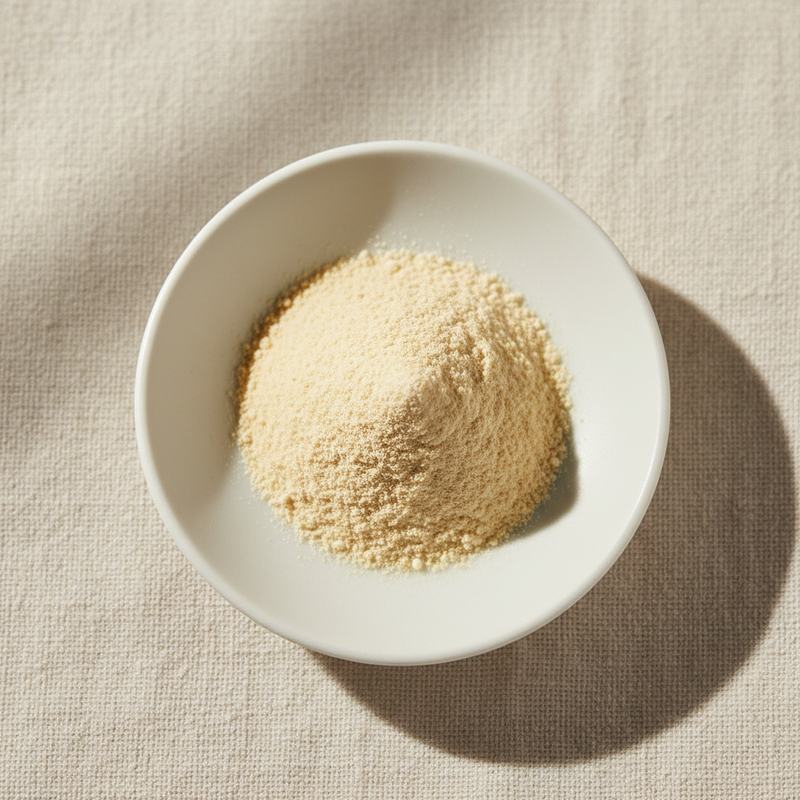
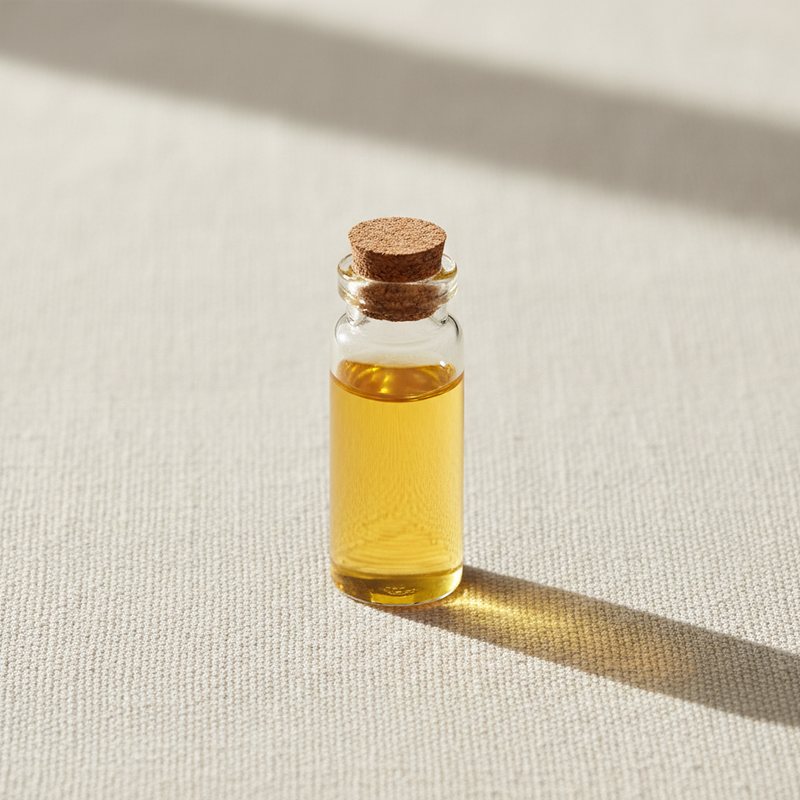
Light yellow to amber viscous liquid or free-flowing powder, depending on the grade. Phospholipid composition is dominated by phosphatidylcholine and phosphatidylinositol, with negligible phosphatidylethanolamine compared to soy.
We supply food-grade Sunflower Lecithin from manufacturers in China holding ISO, Halal, Kosher, Non-GMO and other certifications relevant to the product and production. Solvent-free and IP non-GMO documentation is available on request.
Common market grades include standard fluid lecithin (60 to 65 percent acetone-insolubles), deoiled powder (95 percent minimum acetone-insolubles), and high-PC fractionated grades for liposome and nutraceutical use.
Bulk and reduced-MOQ shipments. Batch-level COA covering acid value, peroxide value, acetone-insoluble matter, moisture, and microbiology.
Introduction
Sunflower lecithin emerged commercially in the early 2000s, driven by demand from European clean-label brands and U.S. allergen-conscious markets following stricter soy disclosure rules. Sunflower is not on the EU or U.S. top-allergen lists, which is the main commercial driver behind the category.
Production parallels the soy lecithin process: water-degumming of crude sunflower oil yields a phospholipid-rich gum that is dried to fluid lecithin and optionally deoiled to powder. Sunflower lecithin is generally extracted without hexane, a feature emphasized in clean-label and organic positioning.
Regulated under the same E322 designation as soy lecithin in the EU, classified as Generally Recognized as Safe by the U.S. FDA, and approved by JECFA without a numerical Acceptable Daily Intake limit.
The emulsification mechanism is identical to soy lecithin, but the higher phosphatidylcholine fraction can produce subtle differences in HLB behavior. Practical performance in chocolate, bakery, and softgel applications is comparable to soy lecithin at similar dosages.
Strategic positioning is driven by labeling rather than function: brands choose Sunflower Lecithin to remove the soy allergen declaration, support non-GMO claims, and capture the price premium of clean-label finished goods.
Where it is used
- Clean-label chocolate, confectionery, and bakery products positioned as soy-free or allergen-friendly
- Infant formula, follow-on milk, and pediatric nutrition where allergen restrictions limit soy
- Plant-based dairy and meat alternatives; supports emulsion stability without soy declaration
- Sports nutrition powders, meal replacements, and protein shakes; improves wetting and dispersibility
- Dietary supplements and softgel capsules; carrier for fat-soluble vitamins and omega-3 oils
- Premium cosmetics and personal-care emulsions; natural phospholipid source for liposomal delivery
- Functional beverages and powdered drink mixes
- Pharmaceutical formulations requiring non-soy phospholipid carriers
Technical data
| Item | Specification |
|---|---|
| Appearance | Light yellow to amber viscous liquid or free-flowing powder |
| Acetone-insoluble matter | ≥ 62.0% (fluid) / ≥ 95.0% (deoiled powder) |
| Hexane-insoluble matter | ≤ 0.3% |
| Acid value | ≤ 32 mg KOH/g |
| Peroxide value | ≤ 5.0 meq/kg |
| Moisture | ≤ 1.0% (fluid) / ≤ 2.0% (powder) |
| Heavy metals (as Pb) | ≤ 5 mg/kg |
| Arsenic | ≤ 2 mg/kg |
| Total plate count | ≤ 10,000 CFU/g |
| Form | Fluid or deoiled powder per customer specification |
Related ingredients
Ready to discuss business?
Send us your spec and requirement. We will respond with availability and pricing within 24 hours.