Description
A short-chain soluble fiber and prebiotic produced enzymatically from starch. Approximately 50 to 60 percent the sweetness of sucrose, with prebiotic action on bifidobacteria and lactobacilli in the colon.
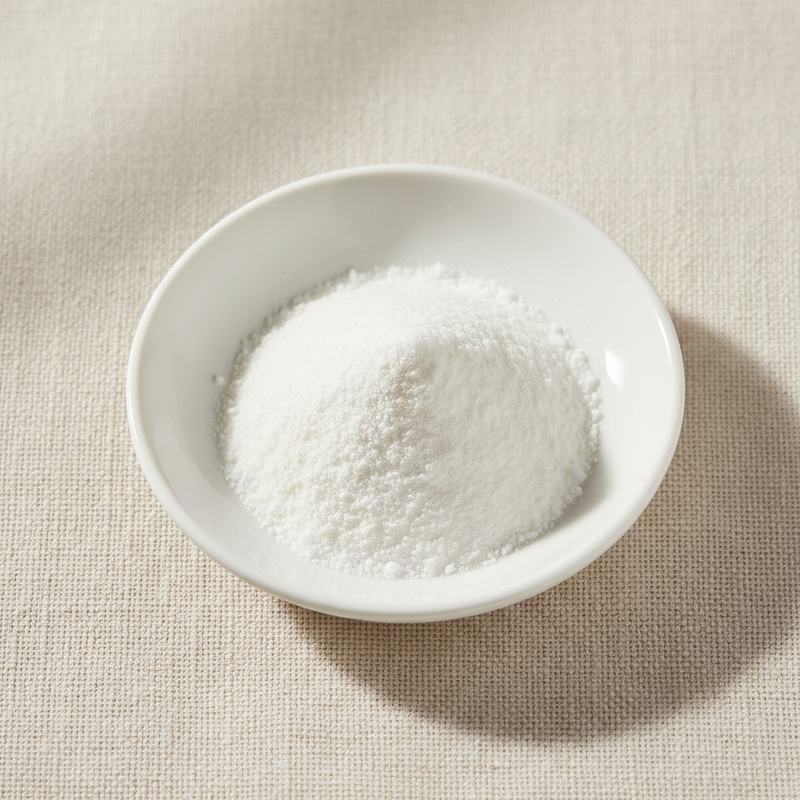
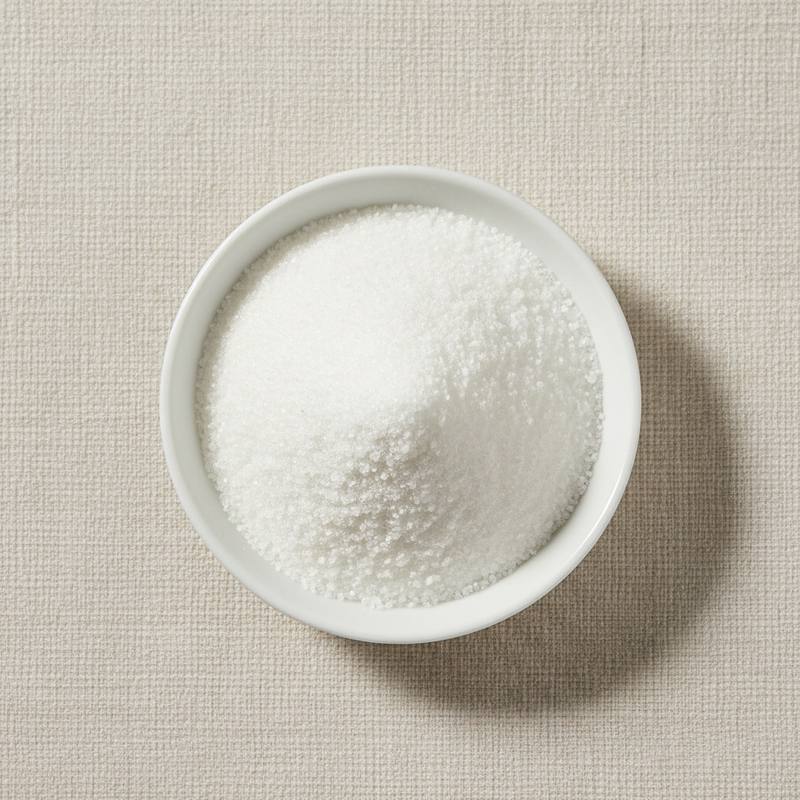
White fine powder or clear viscous syrup. The powder format dominates supplement and snack applications; the syrup format serves bakery and confectionery uses where liquid handling matches the production process.
We supply food-grade Isomaltooligosaccharide from manufacturers in China holding ISO, Halal, Kosher and other certifications relevant to the product and production.
Common market grades include IMO 90 Powder (90 percent IMO content, used in protein bars, cereals, and supplements), IMO 50 Syrup (50 percent IMO, used in bakery and confectionery), and IMO 70 Syrup as a balance grade.
Bulk and reduced-MOQ shipments. Batch-level COA covering IMO content, ash, sulphated ash, sulphur dioxide, heavy metals, and microbiology.
Introduction
Isomaltooligosaccharide, commonly abbreviated IMO, is a mixture of short-chain glucose oligosaccharides characterized by alpha-1,6 glycosidic bonds, in contrast to the alpha-1,4 bonds that dominate ordinary starch and maltodextrin.
Industrial production proceeds by enzymatic conversion of starch using α-amylase, β-amylase, and the key enzyme α-glucosidase, which transglycosylates maltose into mixtures of isomaltose, panose, isomaltotriose, and longer alpha-1,6-linked chains.
Recognized as a permitted food ingredient in the U.S., China, Japan, and Southeast Asia. In Canada and the United States the dietary-fiber status of IMO has shifted with regulatory updates: the U.S. FDA has not granted automatic fiber recognition, requiring product-specific health-benefit substantiation, while Health Canada and many Asian regulators continue to accept fiber claims.
Caloric value is approximately 2 kcal per gram. The glycemic index is 35, lower than sucrose at 65, supporting use in reduced-glycemic and diabetic formulations.
The principal value proposition is prebiotic action: alpha-1,6 linkages resist digestion in the small intestine, reaching the colon where they are fermented preferentially by Bifidobacterium and Lactobacillus species. The compound has been used in functional foods in Japan since the 1980s and in protein bars and snack categories worldwide since the 2000s.
Where it is used
- Protein bars, snack bars, and high-fiber nutrition bars; the dominant fiber and bulking agent in this category historically
- High-fiber breakfast cereals, granola, and muesli
- Prebiotic and gut-health functional beverages and shots
- Sugar-free and reduced-sugar bakery products; supports moisture, browning, and shelf life
- Sugar-free and low-calorie confectionery and chocolates
- Infant nutrition formulas in select markets where prebiotic claims are permitted
- Yogurt, fermented dairy, and probiotic beverages; substrate for live cultures
- Pet food and treats positioned for digestive health
- Functional gummies, soft chews, and fortified snacks
Technical data
| Item | Specification |
|---|---|
| Appearance | White fine powder or clear syrup |
| IMO content (dry basis) | ≥ 90% (powder) / ≥ 50% (syrup) |
| Moisture (powder) | ≤ 5.0% |
| Ash | ≤ 0.3% |
| pH (10% solution) | 4.0 to 6.0 |
| Sulphated ash | ≤ 0.3% |
| Sulphur dioxide | ≤ 40 mg/kg |
| Heavy metals (as Pb) | ≤ 0.5 mg/kg |
| Arsenic | ≤ 0.5 mg/kg |
| Total plate count | ≤ 1000 cfu/g |
Related ingredients
Ready to discuss business?
Send us your spec and requirement. We will respond with availability and pricing within 24 hours.