Description
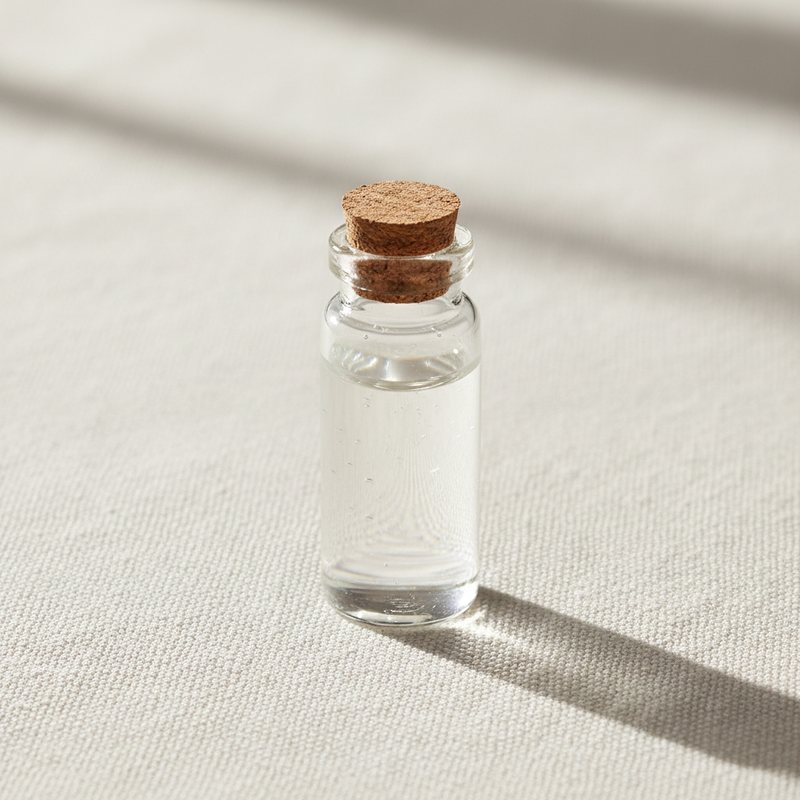
A clear, colorless, viscous, sweet-tasting triol used in pharmaceutical liquid, semisolid, suppository, and topical formulations as a co-solvent, humectant, sweetener, viscosity builder, and vehicle for soft-gel capsule shells. One of the four reference parenteral co-solvents and one of the broadest excipients by application range.
Clear, colorless, hygroscopic viscous liquid. Miscible with water and ethanol in all proportions, sparingly soluble in acetone, practically insoluble in chloroform, ether, and most aliphatic hydrocarbons. Density 1.261 g/mL at 25 degrees Celsius.
We supply pharmaceutical-grade Glycerin from manufacturers in China holding ISO, GMP, USP/EP/JP DMF, Halal, Kosher, and other certifications relevant to the product and production. Pharmaceutical grade is fully segregated from industrial glycerin production, and diethylene glycol contamination control is the single most critical quality attribute after multiple historical incidents of fatal pediatric contamination.
Common market grades include standard pharmaceutical USP/EP/JP 99.5 percent glycerol, vegetable-derived (palm or soy) for plant-only formulations, anhydrous glycerin for moisture-sensitive applications, and ultra-low-impurity parenteral grade with tightened DEG and aldehyde limits.
Bulk and reduced-MOQ shipments. Batch-level COA covering identification, assay, water content, diethylene glycol, ethylene glycol, chlorides, sulfates, fatty acid esters, residue on ignition, heavy metals, refractive index, and microbiology against USP, EP, JP, and BP monographs.
Introduction
Glycerin has been used in pharmaceutical formulation since the mid-nineteenth century and is one of the oldest continuously listed excipients in modern pharmacopoeias. It is one of the four reference parenteral co-solvents and one of the broadest excipients by application range across oral, topical, ophthalmic, otic, parenteral, and rectal routes.
Production proceeds either by transesterification of vegetable or animal triglycerides (the dominant commercial route, with palm and soy as primary feedstocks) or by saponification in soap manufacturing. Crude glycerin is distilled and bleached to pharmaceutical purity. Synthetic glycerin from propylene is rare in current pharmaceutical practice.
Listed in USP-NF, EP, JP, and BP monographs. Assigned E422 in food. FDA Inactive Ingredient Database listed for oral, topical, ophthalmic, otic, parenteral, rectal, and inhalation routes, an unusually broad route acceptance profile.
The defining functional advantages are broad water and ethanol miscibility, low toxicity, sweet taste useful in palatability formulation, hygroscopicity that supports humectant function, and an unrivaled regulatory acceptance history. Diethylene glycol contamination is the single most critical impurity, and supplier qualification typically requires confirmed segregation from industrial glycerin and DEG testing on every batch.
Strategic position: along with PEG 400, propylene glycol, and ethanol, Glycerin is one of the four standard parenteral co-solvents. Vegetable source declaration and full DEG impurity control are the principal sourcing criteria above price.
Where it is used
- Co-solvent in injectable pharmaceutical formulations
- Humectant in pharmaceutical syrups, elixirs, and oral solutions
- Sweetener and palatability builder in pediatric oral liquids
- Vehicle in suppository and pessary base formulations
- Plasticizer in soft-gel capsule shells
- Humectant in topical creams, lotions, gels, and ointments
- Vehicle in pharmaceutical otic and ophthalmic preparations
- Viscosity builder in oral and topical pharmaceutical liquids
- Solvent in pharmaceutical mouthwashes and oral sprays
Technical data
| Item | Specification |
|---|---|
| Appearance | Clear, colorless, viscous, sweet-tasting liquid |
| Compliance | USP/NF, EP, JP, BP current edition |
| Identification | Conforms to pharmacopoeial tests |
| Assay (anhydrous basis) | ≥ 99.5% |
| Water content | ≤ 5.0% (≤ 2.0% for anhydrous grade) |
| Diethylene glycol | ≤ 0.10% |
| Ethylene glycol | ≤ 0.10% |
| Combined DEG plus EG | ≤ 0.10% |
| Chlorides | ≤ 10 mg/kg |
| Sulfates | ≤ 20 mg/kg |
| Fatty acid esters | Passes test |
| Acidity or alkalinity | Passes test |
| Aldehydes | ≤ 10 mg/kg |
| Refractive index (20 °C) | 1.470 to 1.475 |
| Density (25 °C) | 1.258 to 1.262 g/mL |
| Residue on ignition | ≤ 0.01% |
| Heavy metals (as Pb) | ≤ 5 mg/kg |
| Total aerobic count | ≤ 100 CFU/g |
| E. coli, Salmonella | Absent |
| Source | Vegetable (palm or soy), declared per batch; pharmaceutical line |
Related ingredients
Ready to discuss business?
Send us your spec and requirement. We will respond with availability and pricing within 24 hours.