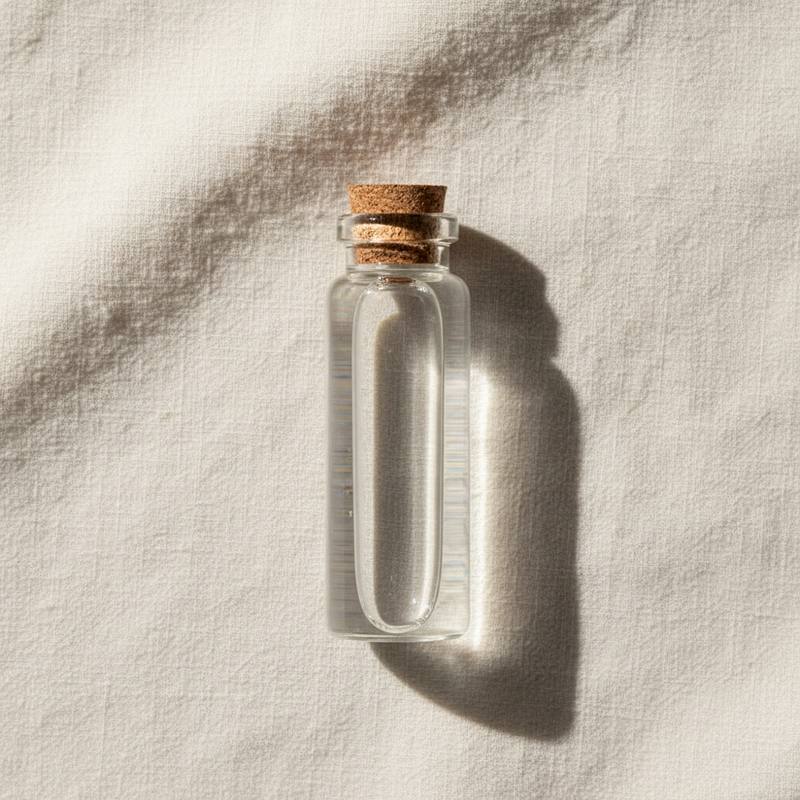
Description
A clear, colorless, viscous diol used in pharmaceutical liquid, semisolid, and aerosol formulations as a co-solvent, humectant, preservative enhancer, and vehicle for poorly water-soluble APIs. One of the four reference co-solvents in parenteral pharmaceutical formulation alongside ethanol, glycerin, and PEG 400.
Clear, colorless, viscous, hygroscopic liquid with a slightly sweet taste. Miscible with water, ethanol, glycerin, and many polar organic solvents. Boiling point 188 degrees Celsius, density 1.036 g/mL at 20 degrees Celsius.
We supply pharmaceutical-grade Propylene Glycol from manufacturers in China holding ISO, GMP, USP/EP/JP DMF, Halal, Kosher, and other certifications relevant to the product and production. Pharmaceutical grade is fully segregated from industrial PG production lines, and ethylene glycol and diethylene glycol contamination control to monograph limits is the principal quality-critical attribute.
Common market grades include standard pharmaceutical USP/EP/JP, low-aldehyde grade for parenteral and ophthalmic formulations, and ultra-low-impurity grades meeting tightened ethylene glycol and diethylene glycol limits introduced in response to historical contamination incidents in oral pediatric products.
Bulk and reduced-MOQ shipments. Batch-level COA covering identification, assay, water content, ethylene glycol and diethylene glycol, acidity, residue on ignition, heavy metals, refractive index, and microbiology against USP, EP, JP, and BP monographs.
Introduction
Propylene Glycol has been used in pharmaceutical formulation since the early twentieth century and entered the pharmacopoeial monographs in the 1940s. It is one of the four reference parenteral co-solvents and the most widely used non-aqueous solvent in oral pharmaceutical liquids.
Production proceeds by hydration of propylene oxide in the presence of water at elevated temperature and pressure. The crude product is distilled to pharmaceutical purity, with tight control on residual ethylene glycol and diethylene glycol, which are the principal impurities of regulatory concern after multiple historical incidents of fatal pediatric contamination in low-quality oral liquids.
Listed in USP-NF, EP, JP, and BP monographs. Assigned E1520 in food. FDA Inactive Ingredient Database listed for oral, topical, ophthalmic, otic, parenteral, and inhalation routes.
The defining functional advantages are broad miscibility with water and organic solvents, low toxicity at typical pharmaceutical use levels, excellent solubilization of poorly water-soluble APIs, and an established parenteral track record. Diethylene glycol contamination is the single most critical impurity in pharmaceutical PG, and supplier qualification typically requires confirmed segregation from industrial PG production.
Strategic position: along with PEG 400, ethanol, and glycerin, Propylene Glycol is one of the four standard parenteral co-solvents in injectable formulation. Segregation from industrial PG and full DEG/EG impurity control are the principal sourcing criteria above price.
Where it is used
- Co-solvent in injectable pharmaceutical formulations
- Solubilizer for poorly soluble APIs in oral liquid formulations
- Humectant and preservative enhancer in topical creams and lotions
- Vehicle in pharmaceutical syrups, elixirs, and oral solutions
- Co-solvent in pharmaceutical aerosol and metered-dose inhaler formulations
- Solvent in pharmaceutical foam and spray formulations
- Vehicle in pharmaceutical otic and ophthalmic preparations
- Plasticizer in soft-gel shells and film coatings
- Carrier in oral spray and lozenge formulations
Technical data
| Item | Specification |
|---|---|
| Appearance | Clear, colorless, viscous liquid |
| Compliance | USP/NF, EP, JP, BP current edition |
| Identification | Conforms to pharmacopoeial tests |
| Assay (anhydrous basis) | ≥ 99.5% |
| Water content | ≤ 0.2% |
| Ethylene glycol | ≤ 0.10% |
| Diethylene glycol | ≤ 0.10% |
| Combined EG plus DEG | ≤ 0.10% |
| Acidity (as acetic acid) | Passes test |
| Refractive index (20 °C) | 1.431 to 1.433 |
| Density (20 °C) | 1.035 to 1.037 g/mL |
| Residue on ignition | ≤ 0.005% |
| Heavy metals (as Pb) | ≤ 5 mg/kg |
| Oxidizing substances | Passes test |
| Total aerobic count | ≤ 100 CFU/g |
| E. coli, Salmonella | Absent |
| Source | Synthetic, hydration of propylene oxide, pharmaceutical line |
Related ingredients
Ready to discuss business?
Send us your spec and requirement. We will respond with availability and pricing within 24 hours.