Description
The liquid form of Maltitol, produced by catalytic hydrogenation of high-maltose corn syrup. Approximately 90 percent the sweetness of sucrose, half the caloric value, and the closest functional liquid sweetener to standard Glucose Syrup for sucrose-free formulations.
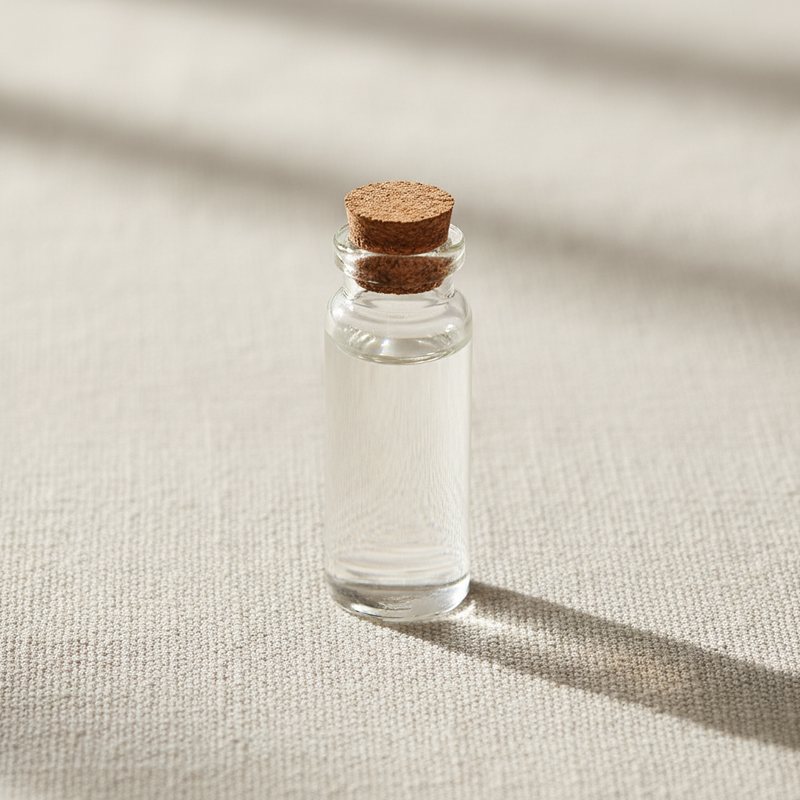
Clear, colorless to slightly yellow viscous liquid. Used wherever liquid handling is preferred over crystalline Maltitol, particularly in chocolate, hard-candy, and cough-syrup manufacturing.
We supply food-grade and pharmaceutical-grade Maltitol Syrup from manufacturers in China holding ISO, Halal, Kosher and other certifications relevant to the product and production.
Common market grades include Regular Maltitol Syrup (50 percent maltitol minimum, balance polyol mixture), High-Maltitol Syrup (75 percent maltitol minimum, for premium chocolate and pharmaceutical applications), and pre-blended hydrogenated glucose syrups for specialty confectionery uses.
Bulk shipments in tankers, IBC totes, and drums. Batch-level COA covering Maltitol content, dry matter, reducing sugars, nickel, heavy metals, and microbiology.
Introduction
Maltitol Syrup is produced by the same hydrogenation chemistry as crystalline Maltitol, with the difference that the syrup is held in liquid form at approximately 70 to 85 percent solids rather than evaporated and crystallized.
Commercial production starts with high-maltose corn syrup obtained by enzymatic hydrolysis of corn starch. The maltose-rich liquid is catalytically hydrogenated under controlled pressure and temperature, then concentrated to the target solids level. Higher-maltitol grades require additional purification steps that drive up cost but deliver cleaner taste and superior chocolate performance.
Regulated as E965 in the EU, classified as Generally Recognized as Safe by the U.S. FDA for the syrup form, and approved by JECFA without a numerical Acceptable Daily Intake limit.
Caloric value is 2.1 kcal per gram on a dry-weight basis. The compound is partially absorbed in the small intestine and partially fermented in the colon, supporting a glycemic index of approximately 35 versus 65 for sucrose.
The liquid format is preferred over crystalline Maltitol in any continuous manufacturing process where solid handling, dust control, or dissolution time would slow throughput. This makes Maltitol Syrup the dominant grade in chocolate factories and large-scale sugar-free confectionery operations, while crystalline Maltitol serves dry-blend and tableting applications.
Where it is used
- Sugar-free chocolate manufacturing; the dominant liquid sweetener in this application due to viscosity and tempering compatibility
- Sugar-free hard-boiled candies, pulled candy, and gummy confections
- Sugar-free cough syrups and pharmaceutical liquid formulations
- Sugar-free chewing gum manufacturing; liquid metering into gum-base systems
- Sugar-free baked goods including cookies and cakes; humectant and bulk replacement for liquid sucrose
- Sugar-free ice cream and frozen desserts; freezing-point control matching Maltitol crystalline behavior
- Sugar-free jams, dessert fillings, and toppings
- Diabetic-friendly liquid pharmaceutical preparations
- Sugar-free dairy applications: yogurt, flavored milk, and dessert mixes
Technical data
| Item | Specification |
|---|---|
| Appearance | Clear, colorless to slightly yellow viscous liquid |
| Maltitol content (dry basis) | ≥ 50% (regular) / ≥ 75% (high maltitol) |
| Dry matter | 70% to 85% |
| Reducing sugars | ≤ 0.3% |
| Nickel | ≤ 2 mg/kg |
| Heavy metals (as Pb) | ≤ 5 mg/kg |
| pH | 4.0 to 7.0 |
| Lead | ≤ 0.5 mg/kg |
| Arsenic | ≤ 1 mg/kg |
Related ingredients
Ready to discuss business?
Send us your spec and requirement. We will respond with availability and pricing within 24 hours.