Description
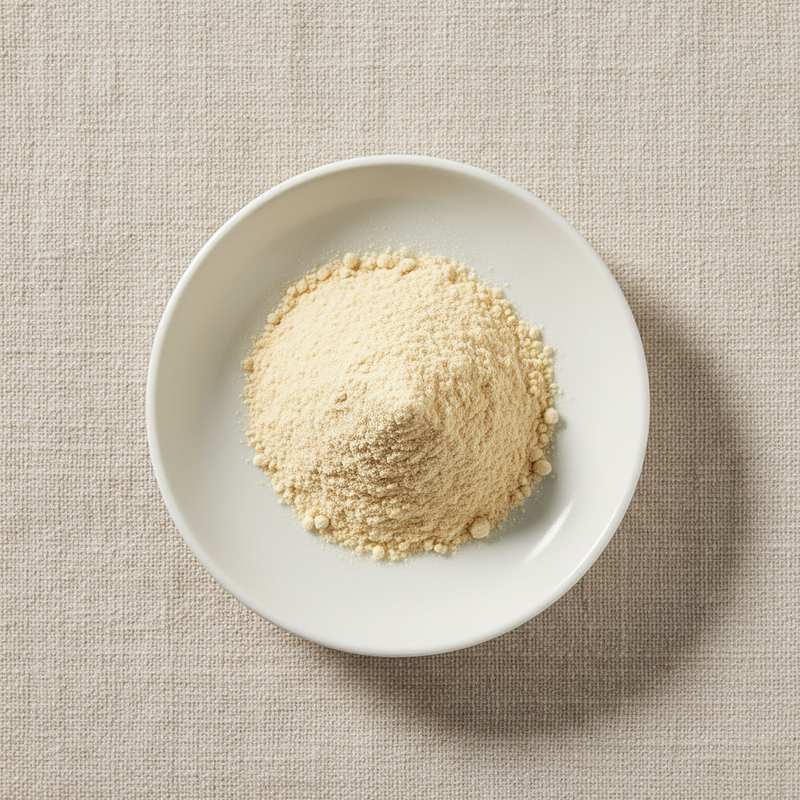
Isolated Pea Protein is a high-protein plant ingredient extracted from yellow peas (Pisum sativum) and refined to 80 percent protein minimum on a dry basis. The leading non-allergenic plant protein for sports nutrition, plant-based dairy, and meat-analog formulations.
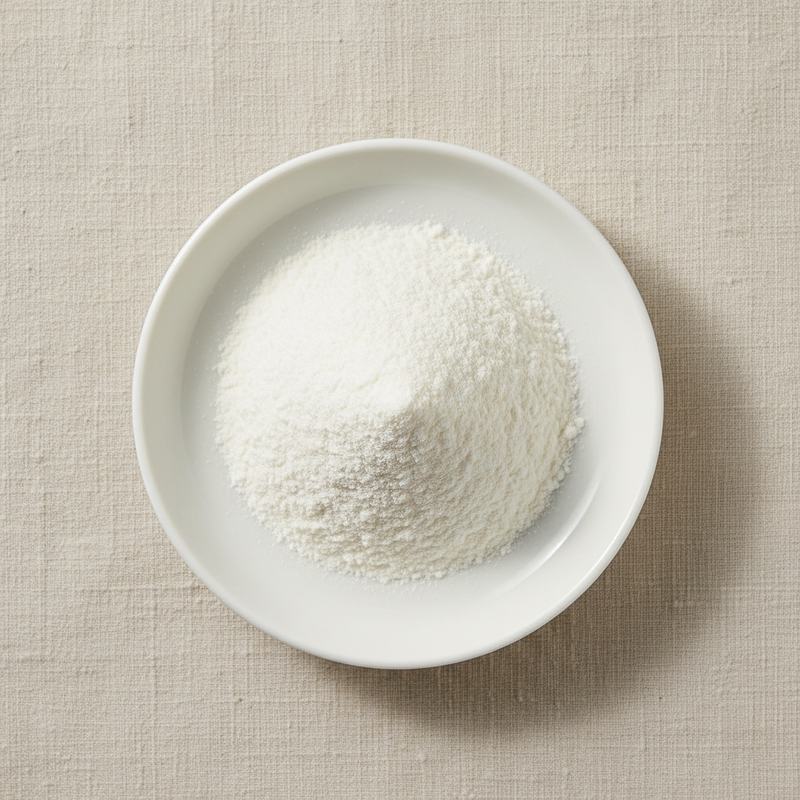
Protein content of 80 to 85 percent (Kjeldahl, N x 6.25) is the defining specification. Yellow to light cream free-flowing powder with mild pea-cereal flavor that has improved markedly across the industry through fermentation and de-flavoring technology.
The amino acid profile is well-balanced: high in BCAAs, arginine, and lysine, with methionine and tryptophan as the first limiting amino acids. PDCAAS is approximately 0.82 standalone and reaches 1.0 when blended with rice protein, which is the basis of most vegan blended-protein products.
We supply food-grade Isolated Pea Protein from manufacturers in China holding ISO, HACCP, Halal, Kosher, non-GMO and other certifications relevant to the product and production. Organic-certified material is available.
Common market grades include standard 80 percent isolate for general nutrition use, 85 percent high-protein grade for premium sports nutrition, fermented and enzymatically deflavored grades for clean-taste applications, and texturized pea protein (TVP equivalent) for meat-analog use. Hydrolyzed pea protein variants are available for clinical and infant nutrition. Bulk and reduced-MOQ shipments. Batch-level COA covering protein, moisture, fat, ash, heavy metals, and microbiology.
Introduction
Industrial pea protein production scaled commercially in France and Canada in the 2000s, originally for animal-feed use. The plant-based protein wave of the mid-2010s, anchored by high-profile meat-analog launches, transformed pea protein into one of the most strategically important new ingredient categories in global food.
Manufacturing begins with yellow split peas, dehulled and finely milled. The flour is suspended in water at alkaline pH (8 to 9) to solubilize protein. After clarification, the protein is precipitated at its isoelectric point (pH 4.5), washed, neutralized, and spray-dried. Modern facilities increasingly employ membrane filtration in place of isoelectric precipitation to retain a broader spectrum of native protein fractions and reduce off-flavors.
Recognized as a permitted food ingredient by the U.S. FDA under GRAS provisions, regulated under EU food law, and free of any of the eight major U.S. allergens or 14 EU declarable allergens. The non-allergenic positioning is the foundation of pea protein's commercial appeal in clean-label and free-from formulations.
Amino acid quality positioning: standalone PDCAAS of approximately 0.82, complementary to rice and other cereal proteins, with high BCAA and lysine content suited to muscle protein synthesis. Iron content is naturally elevated relative to other plant proteins.
Strategic positioning: pea protein has become the second-largest plant protein by volume in food applications after soy, valued for its allergen-free profile, sustainability narrative, neutral color, and clean taste relative to other emerging plant proteins.
Where it is used
- Vegan and plant-based sports nutrition powders and protein blends (commonly with rice protein for complete amino acid profile)
- Plant-based meat: burgers, sausages, nuggets, and ground meat analogs
- Plant-based dairy: pea-protein milks, yogurts, and ice creams
- Ready-to-drink protein beverages and shots
- Nutrition bars and high-protein snacks
- Clean-label and allergen-free protein fortification (soy-free, gluten-free, dairy-free)
- Infant follow-on and toddler nutrition (selected grades)
- Bakery fortification: high-protein breads, pancakes, and pasta
- Pet food: premium plant-based and limited-ingredient diets
Technical data
| Item | Specification |
|---|---|
| Appearance | Yellow to light cream free-flowing powder |
| Protein content (Kjeldahl, N x 6.25, dry basis) | ≥ 80.0% |
| Moisture | ≤ 8.0% |
| Fat | ≤ 8.0% |
| Ash | ≤ 6.0% |
| Crude fiber | ≤ 1.0% |
| Particle size | 95% through 80 mesh, or per customer specification |
| Lead (Pb) | ≤ 0.5 mg/kg |
| Arsenic (As) | ≤ 0.5 mg/kg |
| Cadmium (Cd) | ≤ 0.2 mg/kg |
| Total plate count | ≤ 30,000 CFU/g |
| Salmonella | Absent in 25 g |
| Allergen statement | Free from the eight major U.S. allergens and the 14 EU declarable allergens. |
| Source | Yellow pea (Pisum sativum), non-GMO |
Related ingredients
Ready to discuss business?
Send us your spec and requirement. We will respond with availability and pricing within 24 hours.