Description
A soluble dietary fiber produced by controlled hydrolysis and re-condensation of starch, yielding glucose chains that resist enzymatic digestion in the small intestine. Mild sweetness (approximately 10 percent of sucrose) and a clean neutral taste.
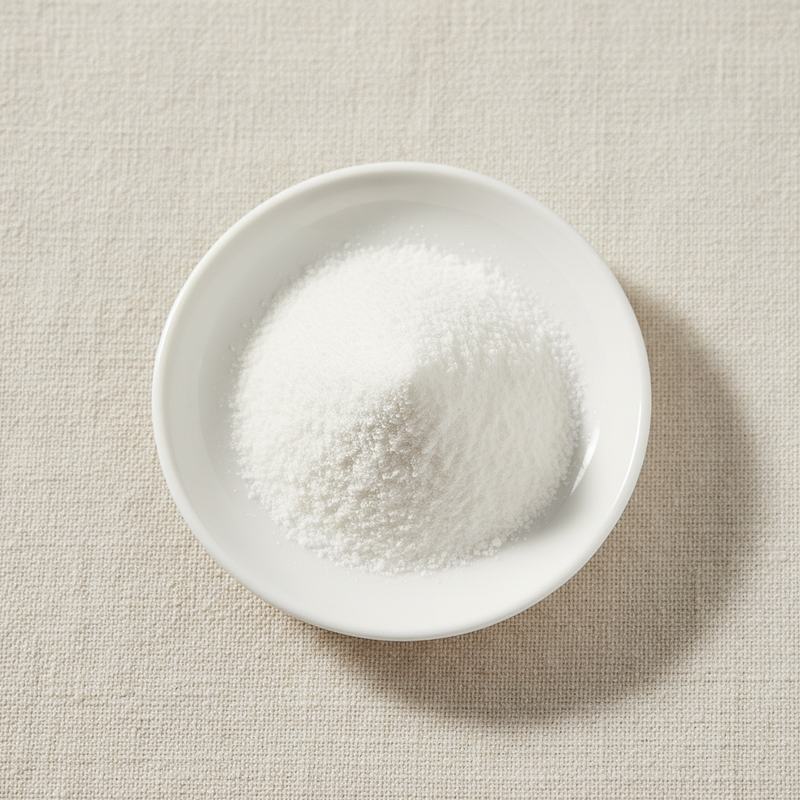
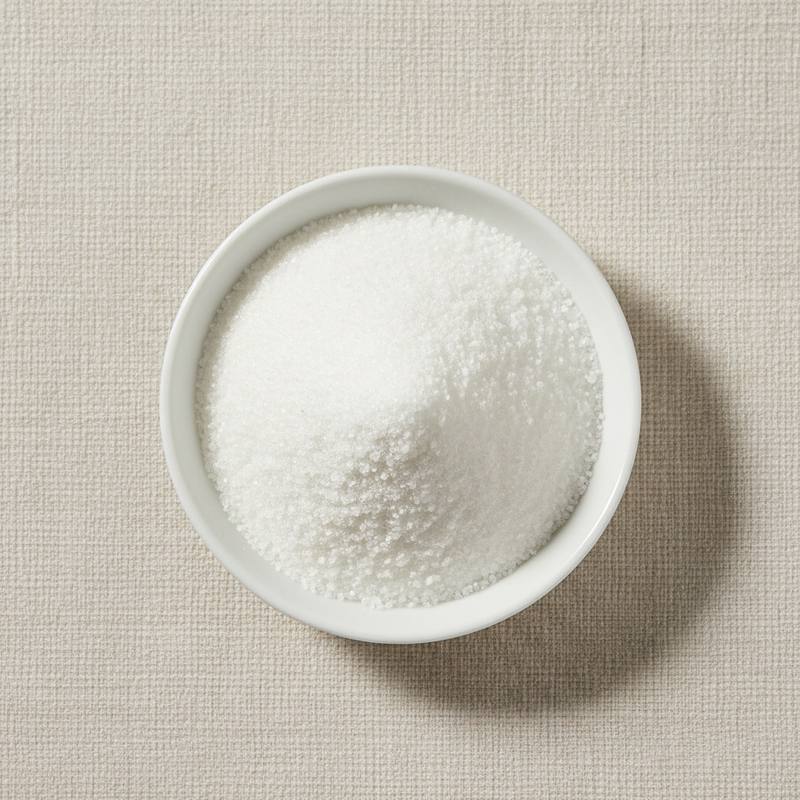
White to off-white fine powder. 85 percent or higher dietary fiber content on a dry-weight basis, freely soluble in water with low viscosity contribution at typical use levels.
We supply food-grade Resistant Maltodextrin from manufacturers in China holding ISO, Halal, Kosher and other certifications relevant to the product and production.
Common market grades include 85 percent Fiber Standard (the AOAC 2001.03-tested workhorse), 90 percent Fiber Premium (for high-fiber claim formulations), and Liquid Resistant Maltodextrin at approximately 70 percent solids for beverage applications.
Bulk and reduced-MOQ shipments. Batch-level COA covering dietary fiber by AOAC method, glycemic index, sulphated ash, heavy metals, and microbiology.
Introduction
Resistant Maltodextrin is produced by a multi-step process that distinguishes it from ordinary Maltodextrin: corn starch is hydrolyzed to a glucose syrup, then heated under controlled acidic conditions that promote random re-condensation of glucose into branched, indigestible polymers.
The resulting product is structurally analogous to dietary fiber found in legumes and whole grains: glucose-based, water-soluble, and resistant to small-intestinal amylases. The classification as dietary fiber is established by AOAC method 2001.03 and is recognized by the U.S. FDA, Health Canada, the European Food Safety Authority, and most Asian regulators.
Caloric value is 2 kcal per gram, half that of digestible carbohydrate, reflecting the partial fermentation in the colon. The compound acts as a prebiotic substrate for beneficial bacteria, contributing short-chain fatty acid production in the lower gut.
The glycemic index is 25 or lower depending on production batch, enabling diabetic-friendly and low-glycemic positioning. Postprandial glucose response in clinical studies is approximately 80 percent lower than an equivalent dose of conventional Maltodextrin.
Strategic value lies in formulation invisibility: at 5 to 10 percent inclusion in beverages and snacks, Resistant Maltodextrin contributes meaningful fiber without affecting taste, mouthfeel, color, or processing behavior. This makes it the dominant ingredient for adding fiber to products where consumers do not want to perceive the change.
Where it is used
- High-fiber and fiber-fortified beverages including water, juice, sports drinks, and RTD teas; clear in solution with no perceptible viscosity
- High-fiber breakfast cereals, granola bars, and snack bars
- Sugar-free and reduced-sugar baked goods, cookies, and crackers
- Functional and digestive-health gummies, soft chews, and chewables
- Yogurt, fermented dairy, and dairy beverages with added-fiber positioning
- Meal-replacement shakes, weight-management products, and protein powders
- Sauces, dressings, and condiments; bulks formulations without altering taste or texture
- Diabetic and low-glycemic specialty foods; effective glycemic index of 25 or lower
- Pet food and supplements positioned for digestive support
Technical data
| Item | Specification |
|---|---|
| Appearance | White to off-white fine powder |
| Dietary fibre (AOAC 2001.03) | ≥ 85% (dry basis) |
| Moisture | ≤ 5.0% |
| pH (10% solution) | 4.0 to 7.0 |
| Sulphated ash | ≤ 0.5% |
| Protein | ≤ 0.5% |
| Glycaemic index | ≤ 25 |
| Solubility | ≥ 99% |
| Heavy metals (as Pb) | ≤ 0.5 mg/kg |
| Sulphur dioxide | ≤ 20 mg/kg |
| Total plate count | ≤ 1000 cfu/g |
Related ingredients
Ready to discuss business?
Send us your spec and requirement. We will respond with availability and pricing within 24 hours.