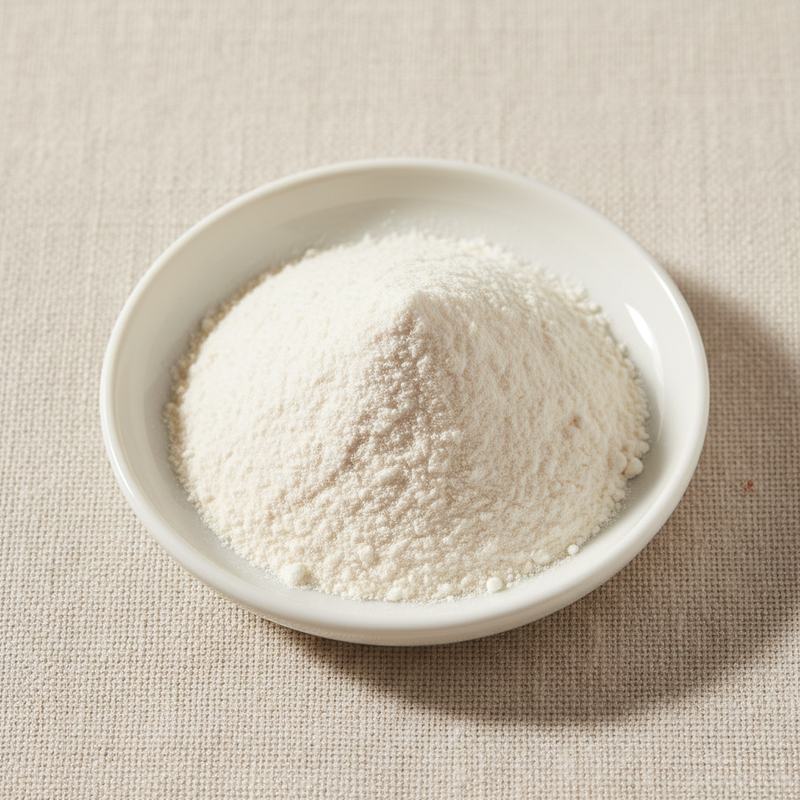
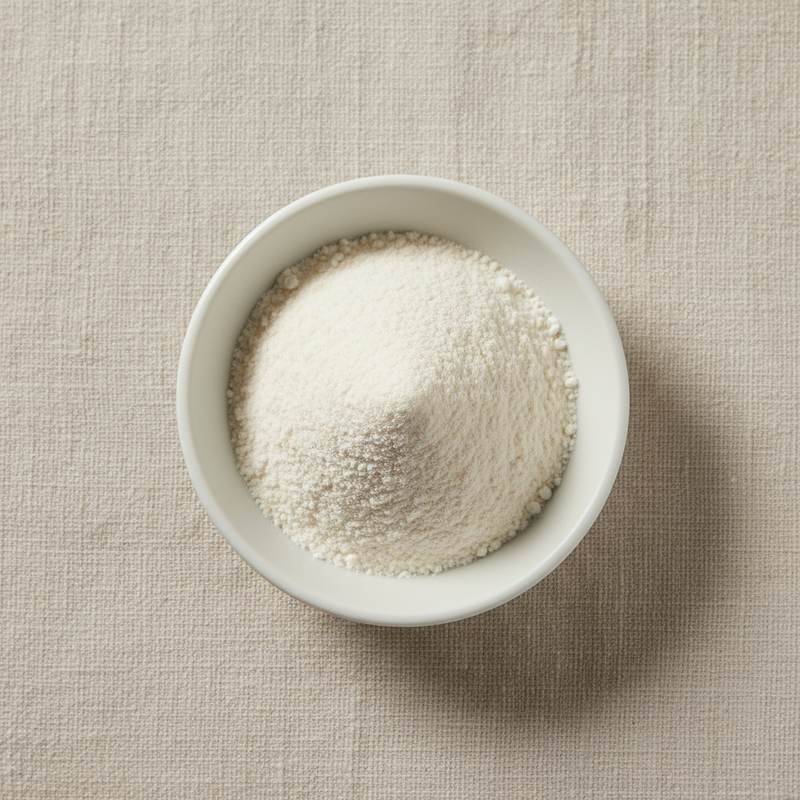
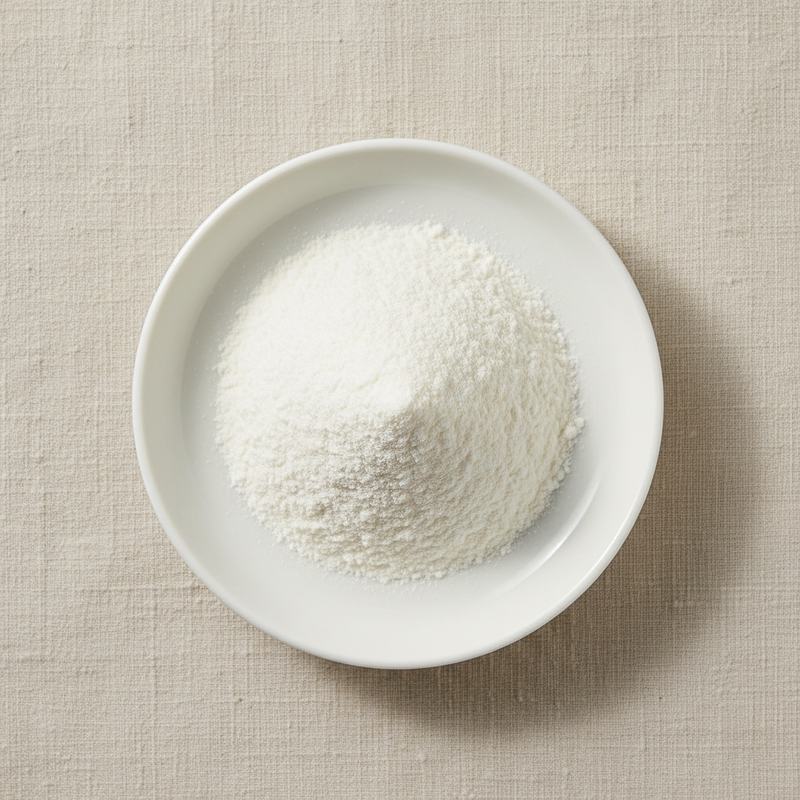
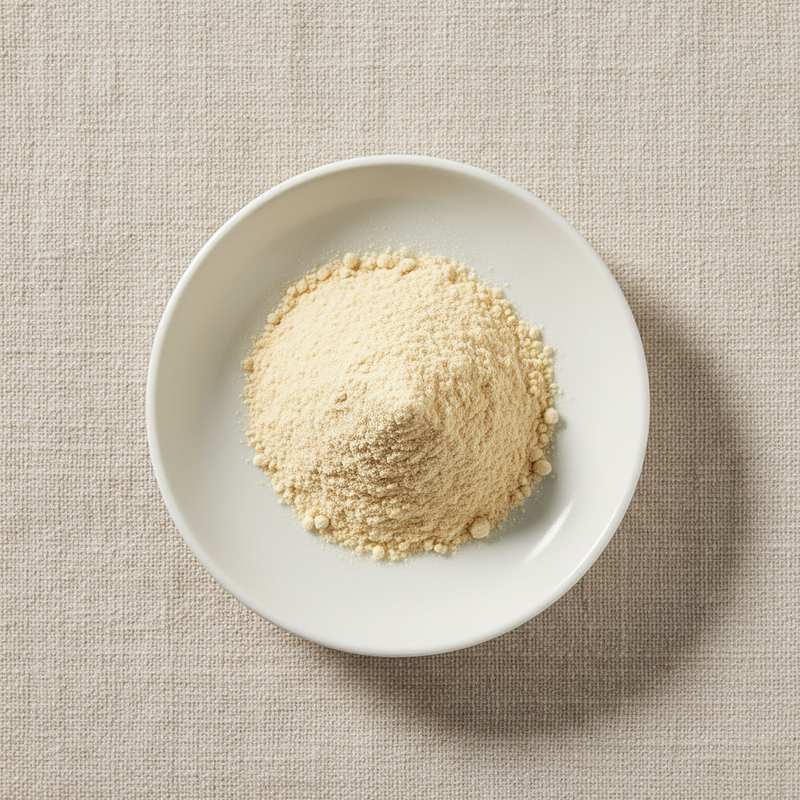
Whey vs Soy vs Pea Protein for Beverage Application: Solubility, Off-Notes, and Cost
Protein beverages (RTD shakes, protein waters, plant milks, recovery drinks) succeed or fail on how the protein behaves in liquid. Whey, soy, and pea are the three you evaluate most, and they differ on the things that break a beverage: solubility at your pH, off-notes, and how much you can load before it turns chalky.
If you produce protein drinks, here is the data, the mechanism, the clear-versus-neutral decision, and the failure modes.
The data table
| Property | Whey (WPI / WPC) | Soy isolate | Pea isolate |
|---|---|---|---|
| Source | Dairy (cheese co-product) | Soybean | Yellow pea |
| Completeness | Complete, high leucine | Complete | Complete-ish (low methionine) |
| Isoelectric point (pI) | ~pH 4.6 to 5.2 | ~pH 4.5 | ~pH 4.5 to 5 |
| Clear acidic drink | WPI works (stays clear) | Clouds/precipitates | Clouds/precipitates |
| Neutral drink | Works | Works | Works |
| Off-note | Clean (WPI); hydrolysate bitter | Beany | Earthy |
| Allergen | Dairy | Soy | None of the majors |
| Relative cost (per g protein) | WPC low, WPI higher | Lowest | Higher |
Mechanism: why pH decides everything in beverages
The isoelectric point. A protein carries no net charge at its isoelectric point (pI). With no like-charge repulsion, the molecules attract, aggregate, and drop out of solution, so solubility is lowest at the pI and the drink clouds or sediments. Soy and pea have a pI around 4.5 to 5, which is exactly the pH of a clear, refreshing acidic protein water (pH 3 to 4 sits near or below their pI). So soy and pea cloud and precipitate in clear acidic drinks.
Why whey isolate is the clear-acidic answer. Whey proteins stay soluble across a wider pH range, including acidic, and whey protein isolate is highly soluble and nearly neutral in flavor. That is why a clear, low-pH protein water is almost always whey isolate, not plant protein. In neutral, opaque drinks (shakes, plant milk at pH 6.5 to 7, above the pI) all three work, and you choose on label and cost.
Why the off-notes differ. Whey isolate is nearly neutral. Soy carries beany and cardboard notes from lipoxygenase-derived aldehydes. Pea carries earthy and bitter notes from saponins and peptides. Both plant off-notes are manageable with flavor systems and are best hidden in cocoa or coffee formats.
Completeness and recovery. Whey is the leucine and DIAAS benchmark for muscle and recovery claims. Pea is slightly low in methionine, so a pea plus rice blend gives a complete plant profile (the classic vegan combo). See the protein-bar application of these proteins in protein bar formulation.
Troubleshooting
| Problem | Likely cause | Fix |
|---|---|---|
| Cloudy or sediment in clear acidic drink | Soy or pea near isoelectric point | Switch to whey isolate, or move to a neutral opaque format |
| Chalky, dry mouthfeel | Protein load too high | Lower protein per serving, optimize hydration, add mouthfeel aid |
| Beany or earthy taste | Soy or pea off-notes | Use cocoa/coffee, flavor masking, partial whey swap |
| Bitter taste | Whey hydrolysate or pea peptides | Reduce hydrolysate, add masking |
| Incomplete amino profile (vegan) | Pea alone low in methionine | Blend pea with rice protein |
Choose by what you produce
- If you produce a clear acidic protein water, whey protein isolate is effectively the only one of the three that stays clear.
- If you produce a neutral opaque shake at lowest cost, soy isolate.
- If your finished products are allergen-free or vegan, pea isolate (blend with rice for completeness).
- If you produce a lowest-cost dairy shake, whey protein concentrate 80.
We supply Whey Protein Isolate, Whey Protein Concentrate 80, Isolated Soy Protein, and Isolated Pea Protein in bulk with documentation. Tell us your beverage pH, clarity, label, and protein target, and we will recommend the protein and quote cost per gram of protein.