Halal & Kosher Whey Protein: Microbial vs Animal Rennet, and Cholov Yisroel
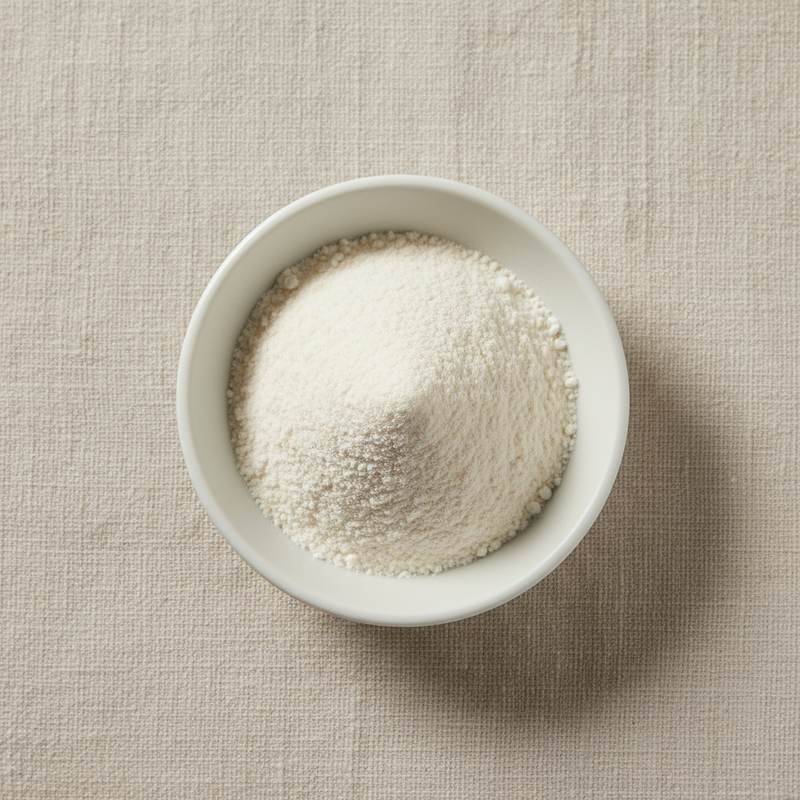
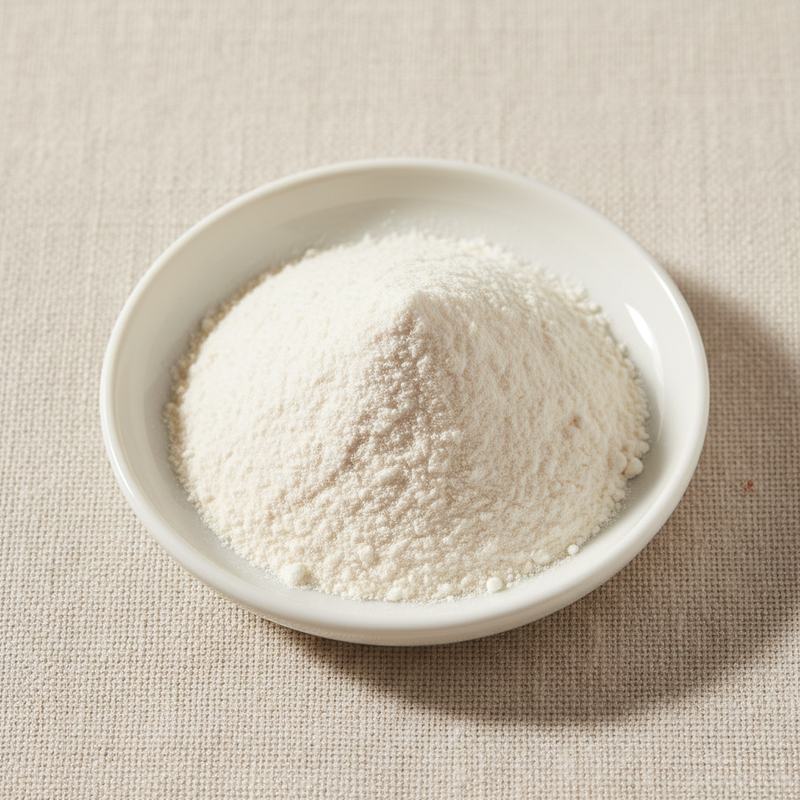
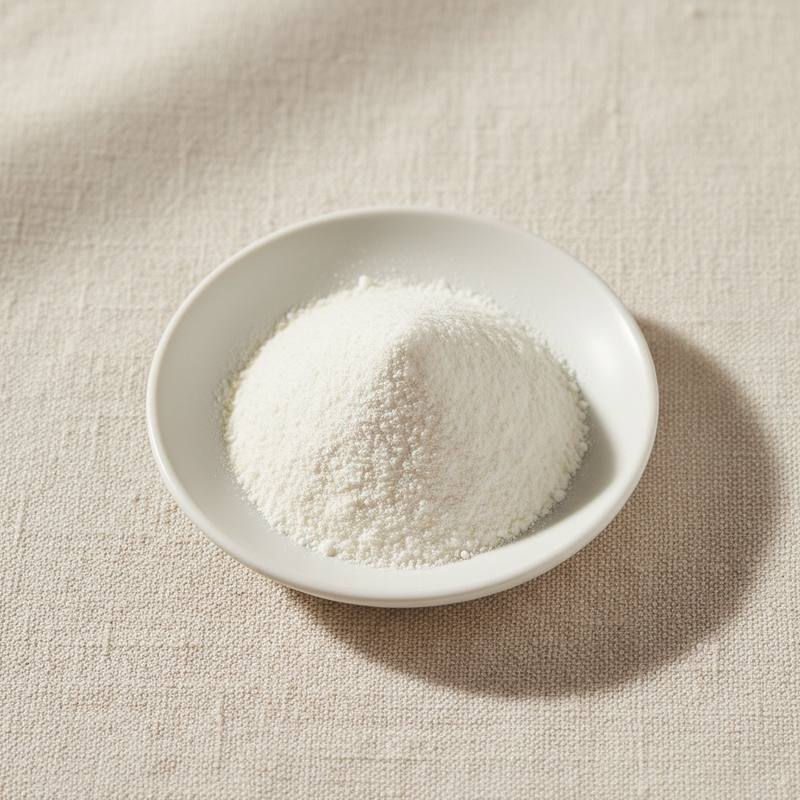
Whey protein looks like a clean, single-ingredient powder, but it carries the history of how the cheese it came from was made. Whey is the liquid left after milk is coagulated into curds. It is then concentrated and dried into Whey Protein Concentrate 80, Whey Protein Isolate, and hydrolysate grades.
Because the coagulation step uses an enzyme, the halal and kosher questions about whey are really questions about the cheese vat upstream. If you produce sports nutrition, RTD shakes, bars, or infant and clinical formulas, this is what governs your certification.
The rennet question (halal)
Milk is coagulated with rennet, an enzyme that can come from three sources.
- Animal rennet. Traditionally extracted from the stomach lining of calves. If the calf was not slaughtered according to halal requirements, the rennet, and the whey downstream, is questionable for stricter certifiers.
- Microbial rennet. Produced by fermentation, no animal input. This is the route that certifies halal cleanly and is now standard in much of the industry.
- Fermentation-produced chymosin (FPC). The calf gene expressed in a microbial host. Widely accepted as halal and the dominant rennet in modern cheese.
For halal whey, you want confirmation that the source cheese used microbial rennet or FPC, not undocumented animal rennet.
The kosher question is different
For kosher, whey is dairy, and there are two layers.
- The coagulant must be kosher. Cheese made with non-kosher animal rennet renders the whey problematic. Microbial coagulants resolve this, which is why kosher-certified whey is tied to certified cheese production.
- Cholov Yisroel versus cholov stam. The stricter kosher standard, cholov Yisroel, requires that the milk be under Jewish supervision from milking. Standard kosher-certified whey (cholov stam) relies on regulatory assurance that the milk is bovine. If your customer base requires cholov Yisroel, that is a separate and harder specification than a generic OU-D mark.
Whey carries a dairy designation (for example OU-D), so it cannot go into a formula that must be pareve or meat. That is a kashrut rule independent of the rennet question. For how the dairy and pareve marks work, see how to read kosher symbols.
Choose by what you produce
- If you produce sports nutrition or protein bars, specify whey from microbial-rennet cheese with a halal certificate, or kosher-certified (OU-D) for the kosher market. For the texture and solubility trade-offs between concentrate, isolate, and other proteins, see whey vs soy vs pea protein.
- If you supply an Orthodox Jewish market, confirm whether cholov Yisroel is required before you source. It changes the supply chain.
- If your finished products must be pareve or go into a meat line, whey cannot be used. A plant protein is the route.
What to verify
- Coagulant source of the parent cheese ("microbial rennet" or "FPC," not "rennet, animal").
- Halal certificate covering the whey production, current and scoped to the plant.
- Kosher certificate with dairy status, and cholov Yisroel specifically if your market requires it.
- Grade (concentrate WPC 80, isolate WPI, or hydrolysate) matched to your protein and lactose targets.
We supply Whey Protein Concentrate 80, Whey Protein Isolate, and Whey Protein Hydrolysate with manufacturer halal and kosher documentation, and can source to a cholov Yisroel requirement on request. Tell us your products and application, your protein spec, and the certification you need, and we will quote accordingly.