Is L-Cysteine Halal & Kosher? Fermentation-Derived vs Animal-Hair Sourcing
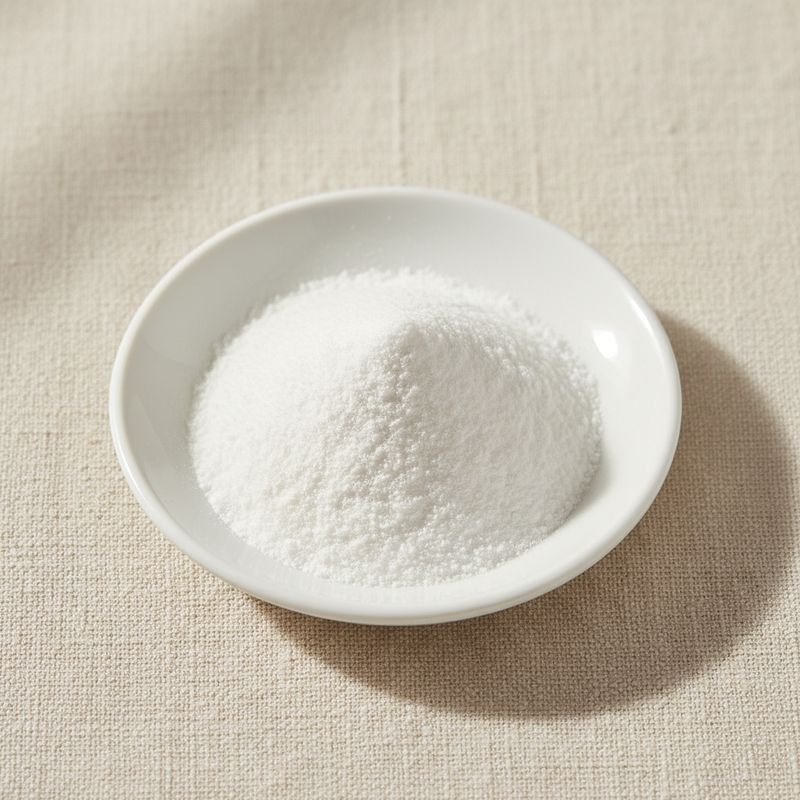
L-Cysteine (E920, CAS 52-90-4) is a reducing amino acid used in small quantities as a dough conditioner. It cleaves disulfide bonds in gluten, which relaxes the dough, shortens mixing time, and improves machinability on industrial bread, pizza, and tortilla lines. It is also used to build reaction flavors. The function is harmless. The sourcing is the entire story.
If you produce baked goods, flavor systems, or any product that carries L-cysteine and you need halal or kosher certification, this is one of the highest-risk amino acids in your formula. Here is why, and how to specify it safely.
Why this ingredient has a reputation
Historically, the cheapest industrial source of L-cysteine was acid hydrolysis of keratin. The richest keratin sources are human hair, duck and poultry feathers, and hog bristle.
Human-hair-derived cysteine is a real product that has been sold for decades, mostly out of keratin processors. For a Muslim or Jewish buyer this is the worst case. Feather and hog sources raise obvious halal and kosher problems, and human-derived material is rejected outright by most halal authorities and is non-kosher.
The three production routes today
- Keratin hydrolysis (hair, feathers, bristle). The cheapest route, and the source of the bad reputation. Animal or human origin makes certification difficult or impossible depending on the keratin used.
- Microbial fermentation. Produced by engineered bacterial strains on a plant-sugar substrate, with no animal or human input. This is the route that cleanly certifies halal and kosher, and it now supplies a large and growing share of the market.
- Chemical synthesis. Possible but minor commercially. Status depends on the precursors and is assessed case by case.
So is it halal? Is it kosher?
Fermentation-derived L-cysteine is the one to buy. It is accepted as halal by the major certifiers, and it certifies kosher and pareve, since there is no animal or dairy input.
Keratin-derived L-cysteine should be assumed non-compliant unless a certifier has specifically vetted a permitted keratin source and slaughter chain, which is rare. The label "L-Cysteine" tells you nothing about which route was used, so the production method on the certificate is the only thing that matters.
Choose by what you produce
- If you produce industrial bread, buns, pizza, or tortillas and need halal or kosher certification, specify fermentation-derived L-cysteine with the certificate, every time. This is the most common place E920 hides in a "vegetarian" bakery formula.
- If your finished products are vegan or plant-based, note that keratin-derived cysteine is also non-vegan. Fermentation-derived is the only route that clears vegan, halal, and kosher together.
- If you build reaction or savory flavors, the same rule applies to the cysteine feedstock in the flavor.
What to ask the supplier
- Production route in writing. You want "fermentation-derived, plant-based substrate, non-animal." Treat anything vague as keratin-derived.
- A current halal and/or kosher certificate naming the manufacturer and the specific grade. For halal, confirm the issuing body is recognized by your market (see our halal sourcing guide). For kosher, see how to read kosher symbols.
- An origin statement confirming no human-hair, feather, or hog keratin in the chain.
We supply fermentation-derived L-Cysteine and L-Cysteine Hydrochloride Anhydrous with manufacturer certification, so the dough conditioner in your formula is not the line item that fails an audit. Tell us your products and certification target and we will send the matching documents with the quote.