Description
A multi-source category covering amphiphilic plant glycosides, supplied from the principal commercial sources: Quillaja saponaria bark (Quillaja saponins for vaccine adjuvant and food-foaming applications), Yucca schidigera (steroidal saponins for animal-nutrition and beverage-foaming), Camellia oleifera seed cake (tea saponins for industrial detergency and aquaculture), and Panax ginseng (ginsenosides for nutraceutical positioning).
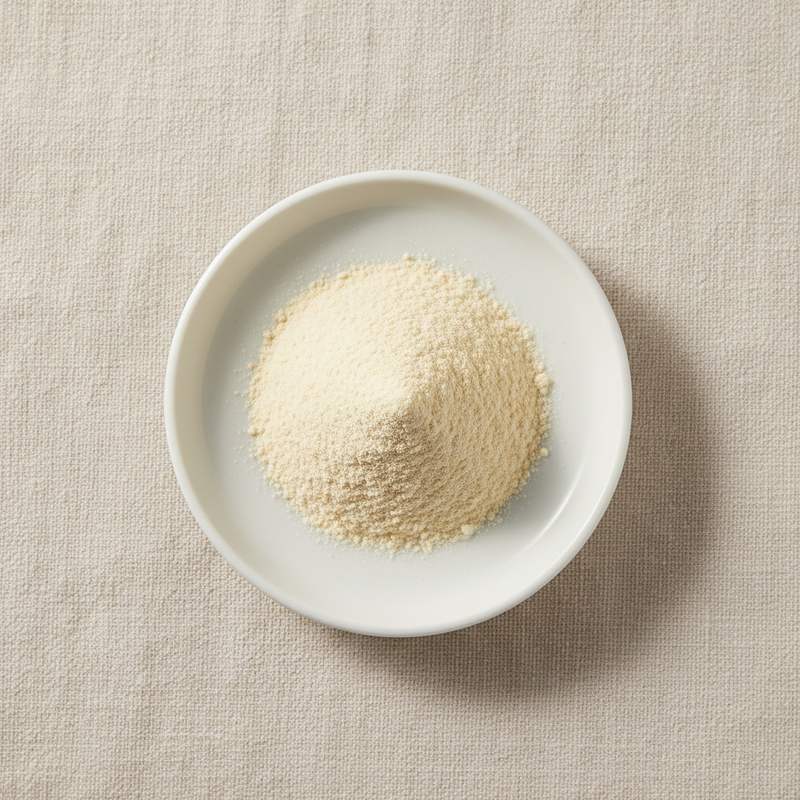
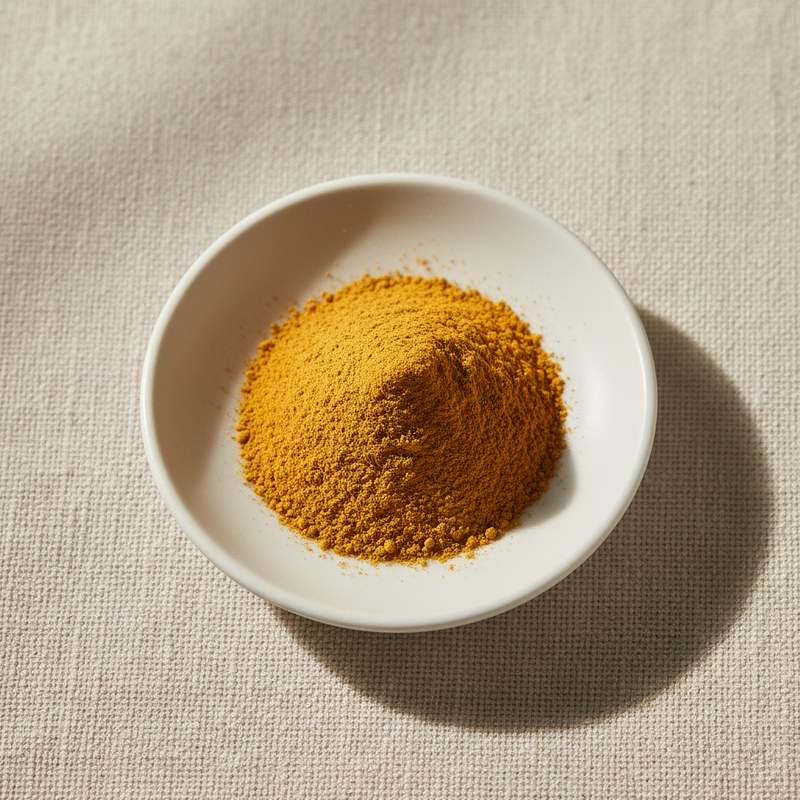
Appearance ranges from light yellow to brown free-flowing powder depending on source. Most plant saponins are water-soluble and form characteristic stable foams in aqueous solution.
We supply food-grade Saponins from manufacturers in China holding ISO, Halal, Kosher and other certifications relevant to the product and production. Source selection materially affects the technical and regulatory characteristics of the finished material.
Common market grades include Tea Saponins 60 percent / 80 percent / 95 percent (the volume commercial product), Yucca Saponins 30 percent / 60 percent, Quillaja Saponins 25 percent / 45 percent (food-grade) and 65 percent (purified, for vaccine adjuvant applications), and Ginseng total saponins 20 percent / 50 percent / 80 percent.
Bulk and reduced-MOQ shipments. Batch-level COA covering saponin content (UV gravimetric or HPLC, depending on source), source identity, residual solvents, heavy metals, and microbiology.
Introduction
Saponins are a structurally diverse class of plant glycosides united by their amphiphilic character and soap-like foaming behavior in aqueous solution. The name derives from soapwort (Saponaria officinalis), which was used historically as a vegetable detergent. Modern commercial production draws from a small number of high-yield plant sources, each with distinct chemistry and application portfolios.
Industrial production proceeds by hot-water or hydroalcoholic extraction of the relevant plant material, followed by membrane separation and adsorption chromatography to enrich saponin content. Spray-drying yields the finished powder product.
Recognized as permitted food ingredients by the U.S. FDA (Quillaja and Yucca extracts have specific GRAS notices for beverage and food applications), the European Food Safety Authority (Quillaja saponins as E 999), and equivalent regulators worldwide. Vaccine-adjuvant grade Quillaja saponins meet pharmaceutical-grade specifications and are used in licensed human vaccines.
Strategic positioning is highly application-specific, with the choice of saponin source driven by regulatory status, technical performance, and target price point for the application.
Where it is used
- Vaccine adjuvant applications (Quillaja-derived QS-21 and analogs)
- Beverage foaming agents: root beer, cream soda, and shaken cocktails (Quillaja and Yucca)
- Animal feed additives: ammonia control and growth-promotion (Yucca and Quillaja)
- Aquaculture applications: piscicide and pond-management (tea saponins)
- Natural emulsifier in cosmetic and personal-care products
- Industrial detergent and surfactant applications
- Premium ginsenoside-standardized dietary supplements
- Agricultural applications: natural surfactant and adjuvant for pesticide formulations
Technical data
| Item | Specification |
|---|---|
| Appearance | Light yellow to brown free-flowing powder (source dependent) |
| Total saponins | varies by source and grade (25% to 95%) |
| Particle size | 100% through 80 mesh |
| Loss on drying | ≤ 5.0% |
| pH (1% solution) | 4.0 to 7.0 (source dependent) |
| Heavy metals (as Pb) | ≤ 2 mg/kg |
| Total plate count | ≤ 1000 cfu/g |
| Source | Quillaja saponaria / Yucca schidigera / Camellia oleifera / Panax ginseng |
Related ingredients
Ready to discuss business?
Send us your spec and requirement. We will respond with availability and pricing within 24 hours.