Halal Gelatin Alternatives: Pectin, Agar, Carrageenan, and Gellan Compared
When you cannot document a halal slaughter chain, or a kosher-slaughtered source for gelatin, the practical answer is to reformulate around a plant gelling agent. The background on why gelatin is so hard to certify is in our guide to halal and kosher gelatin.
The difficulty is that gelatin has a unique melt-in-the-mouth, thermoreversible texture, and no single hydrocolloid reproduces all of it. You match the alternative to the texture you actually need. Here are the four that matter, and where each one wins.
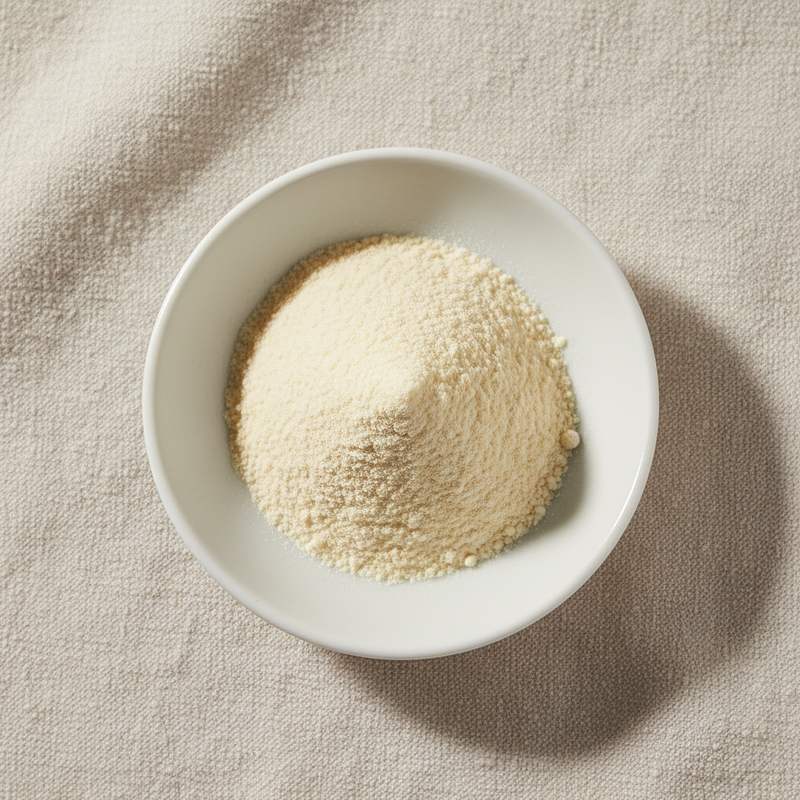
Pectin: the standard choice for gummies and jellies
Pectin gels with sugar and acid (high-methoxyl) or with calcium (low-methoxyl). It is the standard for pectin gummies and fruit jellies, giving a clean bite and excellent flavor release.
It sets quickly and holds at room and body temperature, so unlike gelatin it does not melt in the mouth. It is fully plant-derived, halal, kosher, and pareve. The trade-off is a shorter, firmer texture than gelatin's chew, plus tighter process control on pH and soluble solids. For confectionery and nutraceutical gummies it is usually the first thing to try. The detailed comparison is in pectin vs gelatin in functional gummies.
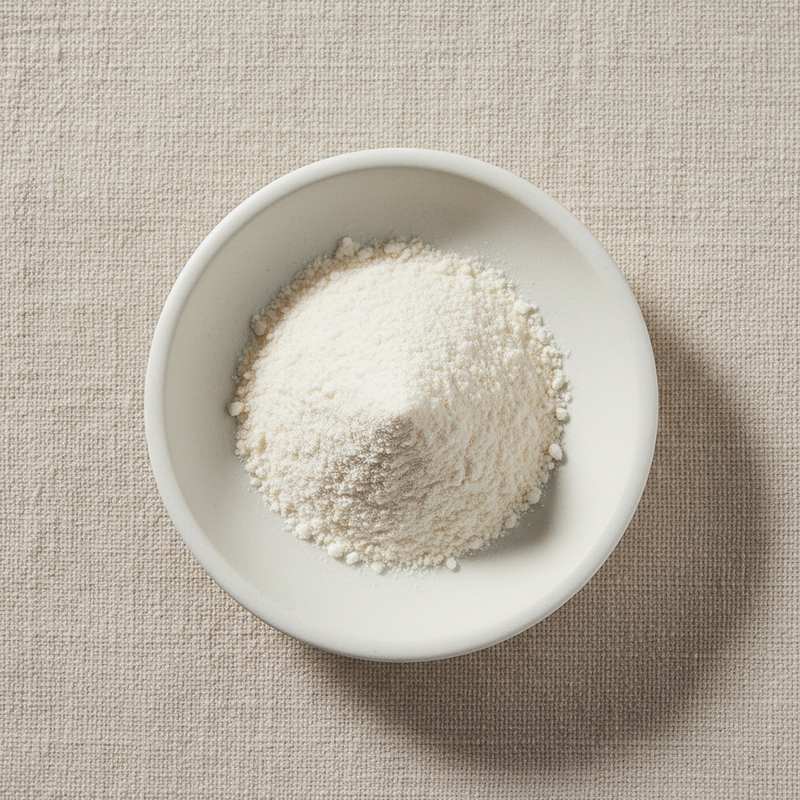
Agar: firm, high-melt, vegan classic
Agar Agar (from red seaweed) gels very firmly at low use levels and has a high melting point, around 85°C. Agar jellies hold up in heat where gelatin would collapse. It is the classic for Asian jelly desserts and firm vegan gels.
The texture is short and brittle, quite different from gelatin's elastic chew, so it is a poor swap when you want bounce. It is excellent when you want a clean firm set that survives warm climates.
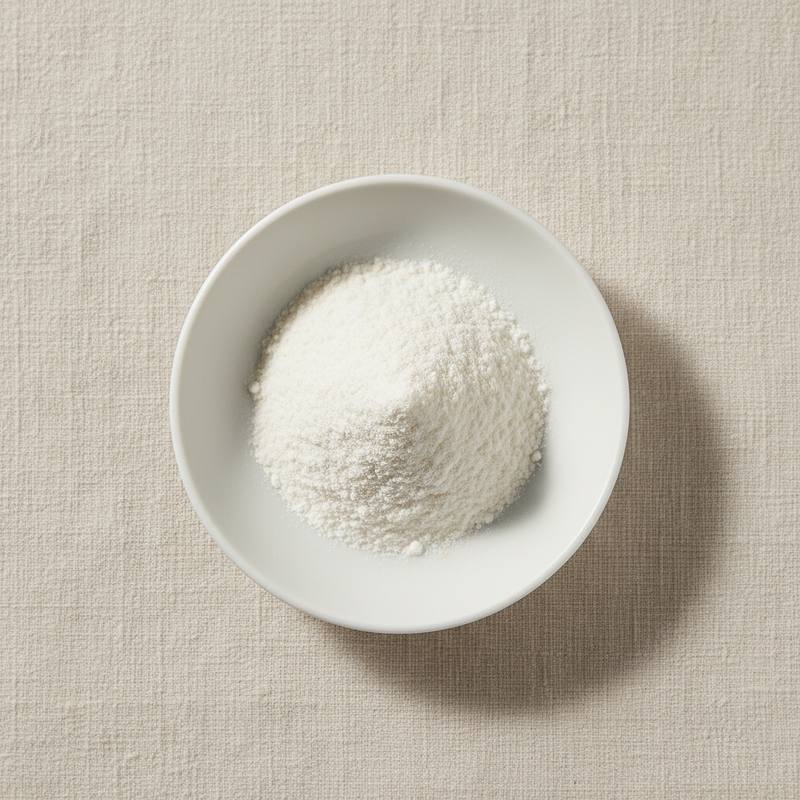
Carrageenan: dairy and soft-gel specialist
Carrageenan comes in three functional types: kappa (firm, brittle gel), iota (soft, elastic gel), and lambda (non-gelling thickener). Iota-Carrageenan Refined gives the most gelatin-like soft elasticity.
Carrageenan's real strength is protein interaction. It is the standard choice for dairy desserts, flans, and plant-milk gels because it reacts with calcium and milk proteins. Kappa is often blended with locust bean gum to reduce brittleness. The dairy-focused comparison is in pectin vs carrageenan vs gellan.
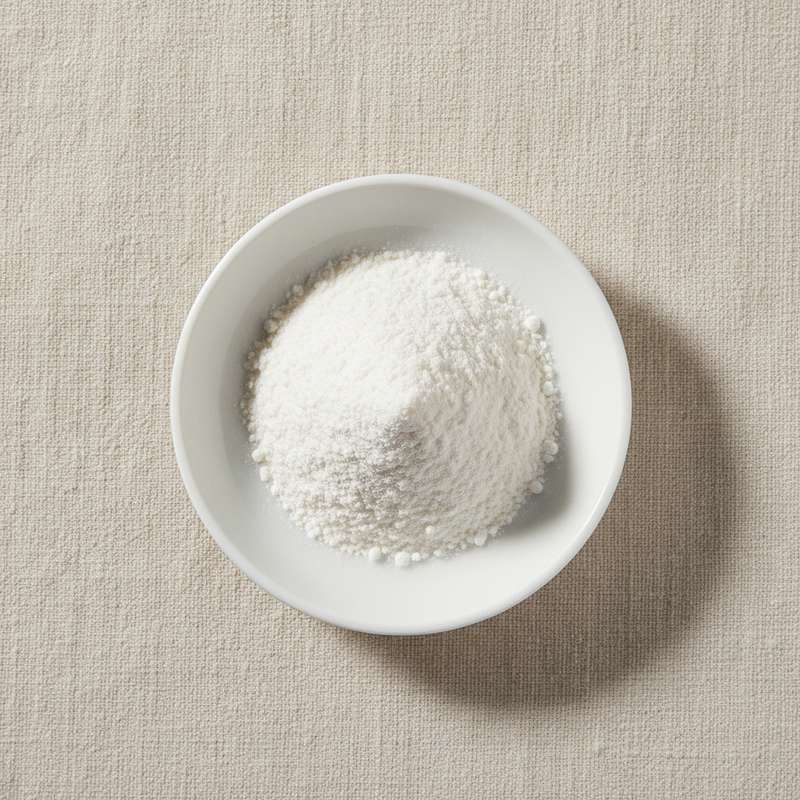
Gellan: clarity and suspension
Gellan Gum sets at very low use levels with excellent clarity. Low-acyl gellan gives a firm, brittle gel. High-Acyl Gellan Gum gives a soft, elastic one, and the two are blended to dial texture precisely.
Gellan's signature trick is fluid gels and suspension. It can hold particles or beads suspended in a beverage. It is the most modern and tunable of the four.
Choose by what you produce
- If you produce chewy gummies or pastilles, use pectin (high-methoxyl with sugar and acid), or iota carrageenan blends for extra softness.
- If you produce firm jelly that must survive heat or a warm climate, use agar.
- If you manufacture dairy or plant-milk desserts, use carrageenan (kappa or iota).
- If you produce clear gels, suspensions, or fluid gels, use gellan.
All four are plant-derived and certify halal, kosher, and pareve cleanly, which is the reason for switching.
What to verify
- The gel type you need matched to the hydrocolloid (firm versus elastic, heat-stable versus melt).
- Use level and process window (pH, calcium, soluble solids), since these differ sharply from gelatin.
- Halal and kosher certificates, with pareve status confirmed.
We supply Pectin, Agar Agar, Carrageenan, Kappa-Carrageenan Refined, Iota-Carrageenan Refined, and Gellan Gum with manufacturer certification. Tell us the gelatin texture you are replacing, your products and application, and your process constraints, and we will recommend the hydrocolloid or blend that matches.