Description
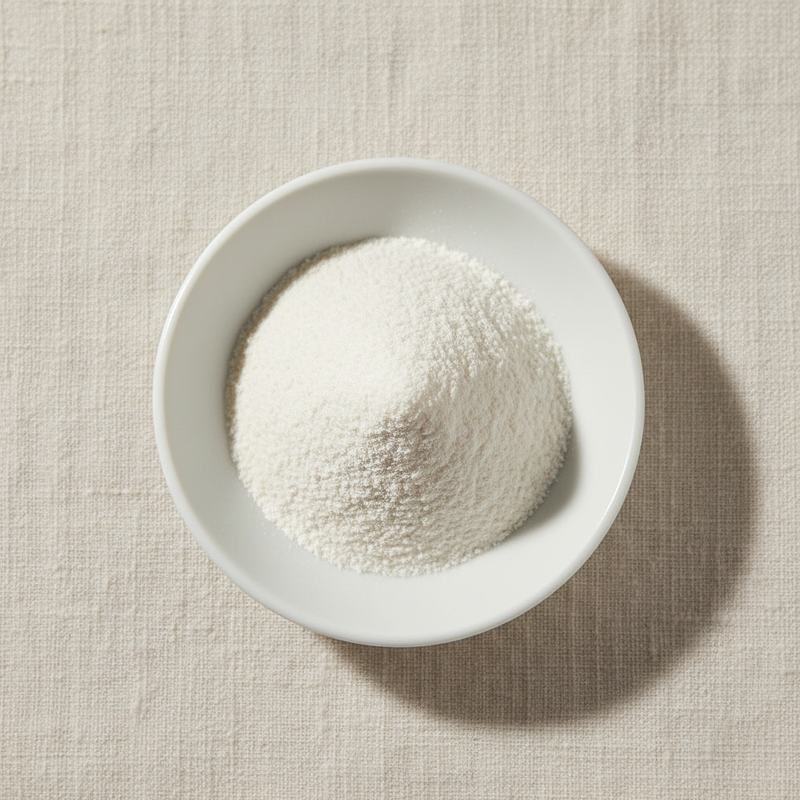
The native form of gellan retaining the acetyl and glyceryl substituents present at fermentation. Produces soft, elastic, non-brittle gels at low use levels (0.1 to 0.3 percent) with a custard-like texture distinct from the firm brittle gels of the deacylated low-acyl form.
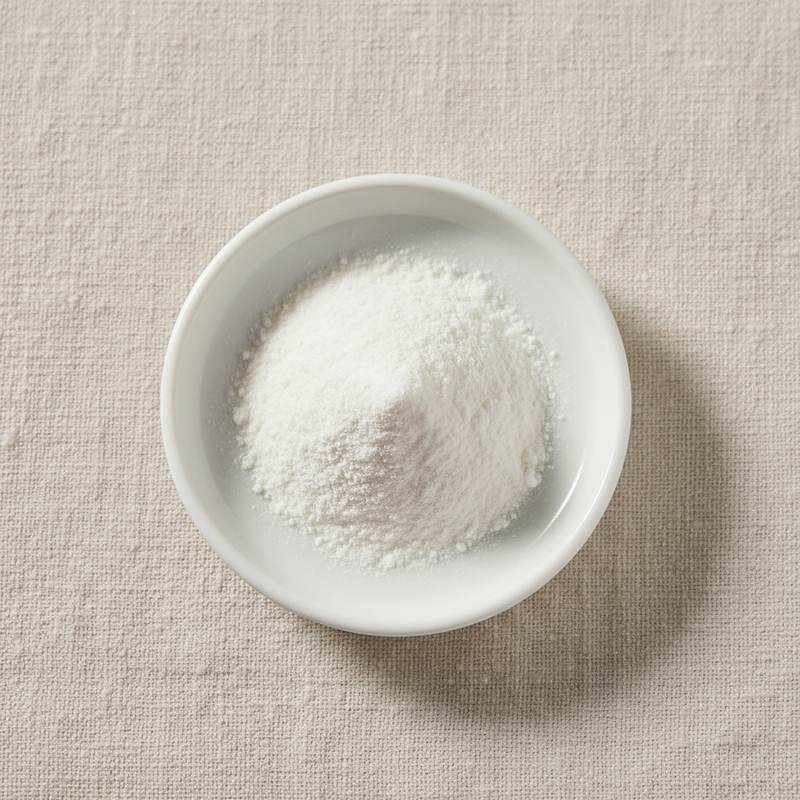
Off-white to slightly yellow free-flowing powder. Requires heat for full hydration (typically 80 to 90 °C); sets on cooling to produce thermo-reversible gels that withstand retort temperatures without melting.
We supply food-grade High-Acyl Gellan Gum from manufacturers in China holding ISO, Halal, Kosher and other certifications relevant to the product and production.
Common market grades include Standard Beverage Grade (the workhorse for fluid-gel beverage suspensions and dairy desserts), Fluid-Gel Grade for plant-based milks and protein drinks, and Premium Confectionery Grade for soft jelly and dessert products.
Bulk and reduced-MOQ shipments. Batch-level COA covering gel strength, viscosity, particle size, acyl content, heavy metals, and microbiology.
Introduction
High-Acyl Gellan is the original native form of gellan polysaccharide isolated from Sphingomonas elodea by Kelco researchers in 1978. The acetyl and glyceryl substituents on the polymer backbone are present at the end of fermentation and are removed only by deliberate alkaline post-treatment to produce the low-acyl form.
Industrial production proceeds by submerged aerobic fermentation on glucose and yeast extract, followed by hot recovery, alcohol precipitation, and drying without the alkaline deacylation step. The two acyl substituents (acetate and glycerate per tetrasaccharide repeat) prevent the close helical packing that gives low-acyl Gellan its firm brittle gel character.
Regulated as E418 in the EU (same E number as low-acyl Gellan), classified as Generally Recognized as Safe by the U.S. FDA, and approved by JECFA without a numerical Acceptable Daily Intake limit.
The molecule's defining property is the soft, elastic gel character: where low-acyl Gellan produces firm gels with a clean break, high-acyl Gellan produces custard-like elastic gels that hold structure under retort processing but yield smoothly under mouth pressure.
Strategic positioning targets two applications where low-acyl Gellan does not perform: fluid-gel suspension systems for plant-based milks and protein drinks (where the elastic network suspends particles without gritty mouthfeel) and dessert applications where consumers expect custard-like texture rather than firm jelly.
Where it is used
- Plant-based milk and protein beverage suspension; fluid gels suspending calcium, cocoa, and protein particles at very low use levels
- Dairy and non-dairy custard, panna cotta, and dessert applications requiring elastic texture
- Hot-fillable confectionery: soft jellies, gummies, and dessert gels stable to retort processing
- Cold-pressed juice and beverage applications: particle suspension without gritty mouthfeel
- Sports and recovery drinks: protein stabilization and pulp suspension
- Pet food: clear elastic gel components in premium wet pet food and treats
- Synergy blends with low-acyl gellan to engineer custom gel texture
- Cosmetic gel masks and elastic skincare gels
Technical data
| Item | Specification |
|---|---|
| Appearance | Off-white to slightly yellow free-flowing powder |
| Gel strength (0.5% with calcium) | 200 to 500 g/cm² |
| Acyl substitution | Native (acetyl and glyceryl retained) |
| Loss on drying | ≤ 15.0% |
| Ash | ≤ 15.0% |
| Nitrogen content | ≤ 3.0% |
| Heavy metals (as Pb) | ≤ 5 mg/kg |
| Arsenic | ≤ 3 mg/kg |
| Particle size | ≥ 95% through 60 mesh |
| Total plate count | ≤ 5000 cfu/g |
Related ingredients
Ready to discuss business?
Send us your spec and requirement. We will respond with availability and pricing within 24 hours.