Description
A microbial polysaccharide produced by aerobic fermentation of Sphingomonas elodea, providing extremely strong gel formation at very low use levels (0.05 to 0.3 percent). Two commercial grades (high-acyl and low-acyl) deliver distinctly different gel properties.
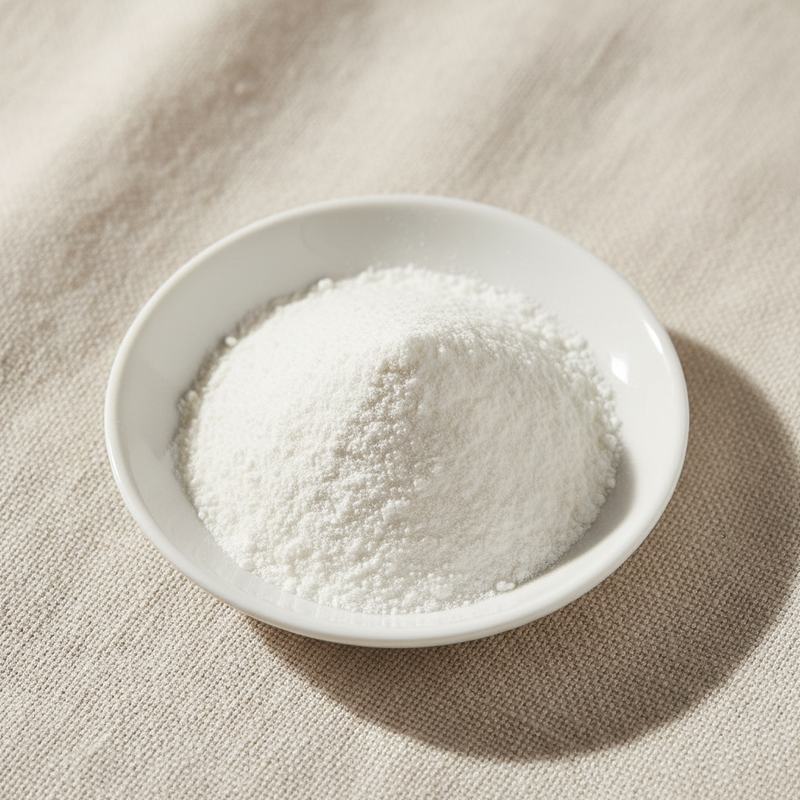
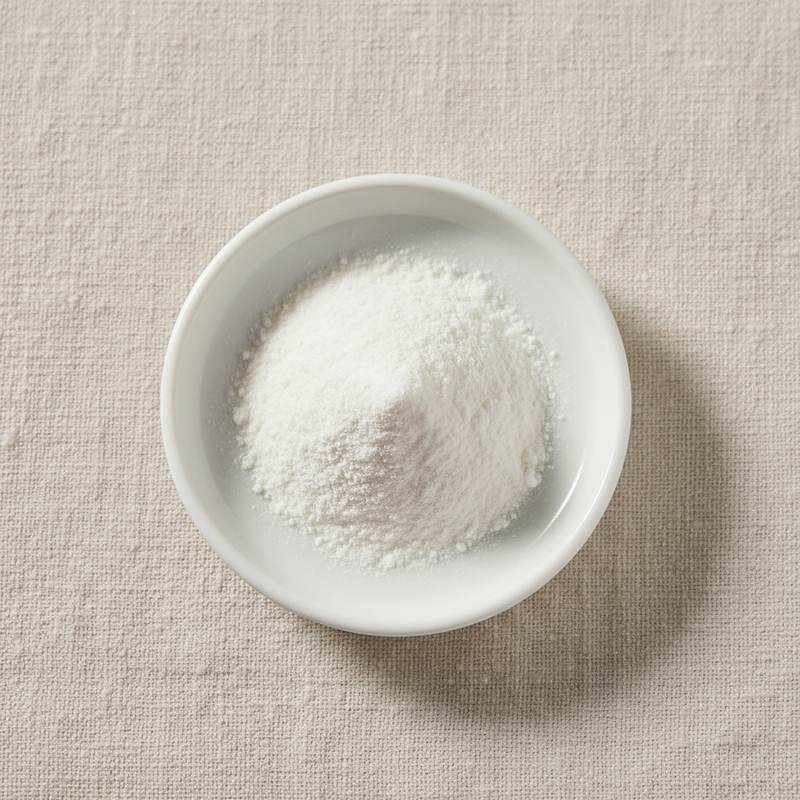
Off-white to slightly yellow free-flowing powder. Forms transparent gels with exceptional clarity, the property that distinguishes Gellan from agar and carrageenan in premium beverage and confectionery applications.
We supply food-grade Gellan Gum from manufacturers in China holding ISO, Halal, Kosher and other certifications relevant to the product and production.
Common market grades include Low-Acyl Gellan (firm brittle gels, the dominant beverage and dessert grade), High-Acyl Gellan (soft elastic gels, used in dairy desserts), and pre-blended Gellan-with-other-hydrocolloid systems for engineered texture profiles.
Bulk and reduced-MOQ shipments. Batch-level COA covering viscosity, gel strength, particle size, heavy metals, and microbiology.
Introduction
Gellan Gum was discovered in 1978 at Kelco (now CP Kelco) and brought to commercial scale in 1990. The compound is a high-molecular-weight linear polysaccharide produced by aerobic fermentation of Sphingomonas elodea (formerly Pseudomonas elodea).
Industrial production proceeds by submerged aerobic fermentation on glucose and yeast extract, followed by alcohol precipitation, drying, and milling. Two commercial grades emerge from different post-fermentation processing: the high-acyl native form retains acetyl and glyceryl groups; the low-acyl form is produced by alkaline deacylation.
Regulated as E418 in the EU, classified as Generally Recognized as Safe by the U.S. FDA, and approved by JECFA without a numerical Acceptable Daily Intake limit.
The molecule's exceptional gel strength comes from helical aggregation of the polymer chains in the presence of cations. Low-acyl Gellan forms firm transparent gels with a clean break; high-acyl Gellan forms soft elastic gels that resemble custard texture.
Strategic positioning targets premium beverage and dessert applications where exceptional clarity and very low use levels matter. The gel strength advantage means Gellan can replace 0.5 percent agar with 0.05 percent Gellan, producing a clearer, smoother gel at meaningfully lower total ingredient cost despite Gellan's higher per-kg price.
Where it is used
- Beverage applications: suspended-particle drinks, vegetable-juice drinks, plant-based milks; superior particle suspension at very low use levels
- Dairy desserts: panna cotta, custards, and dessert gels with exceptional clarity
- Confectionery: gummies, jellies, and clear specialty candies
- Bakery applications: stable bakery glazes and decorative fruit fillings
- Plant-based meat alternatives: structural gel components in vegan products
- Pharmaceutical applications: oral suspensions and ophthalmic formulations
- Tissue culture media (technical/scientific grade)
- Cosmetic facial gel masks and clear-gel skincare products
- Pet food: clear gel formation in premium wet pet food
Technical data
| Item | Specification |
|---|---|
| Appearance | Off-white to slightly yellow free-flowing powder |
| Gel strength (0.5% with calcium) | 500 to 1100 g/cm² (low-acyl) |
| Loss on drying | ≤ 15.0% |
| Ash | ≤ 15.0% |
| Nitrogen content | ≤ 3.0% |
| Heavy metals (as Pb) | ≤ 5 mg/kg |
| Arsenic | ≤ 3 mg/kg |
| Particle size | ≥ 95% through 60 mesh |
| Total plate count | ≤ 5000 cfu/g |
Related ingredients
Ready to discuss business?
Send us your spec and requirement. We will respond with availability and pricing within 24 hours.