Description
The concentrated soluble fraction of yeast (Saccharomyces cerevisiae) autolysate, containing free amino acids, peptides, nucleotides, B-vitamins, and minerals. Used as a natural savory flavoring, fermentation nutrient, and protein source in food and beverage manufacturing.
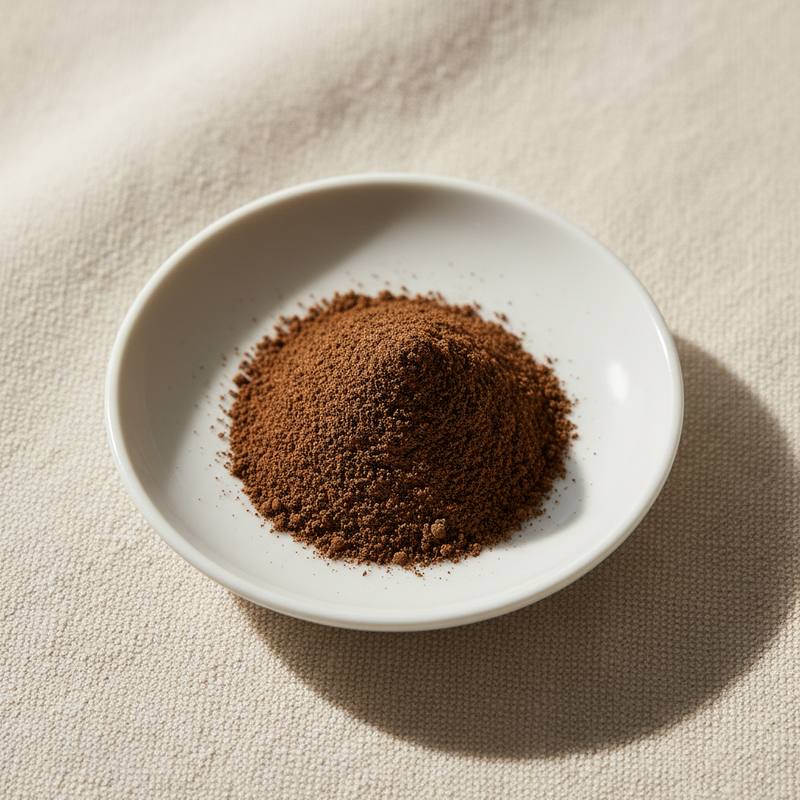
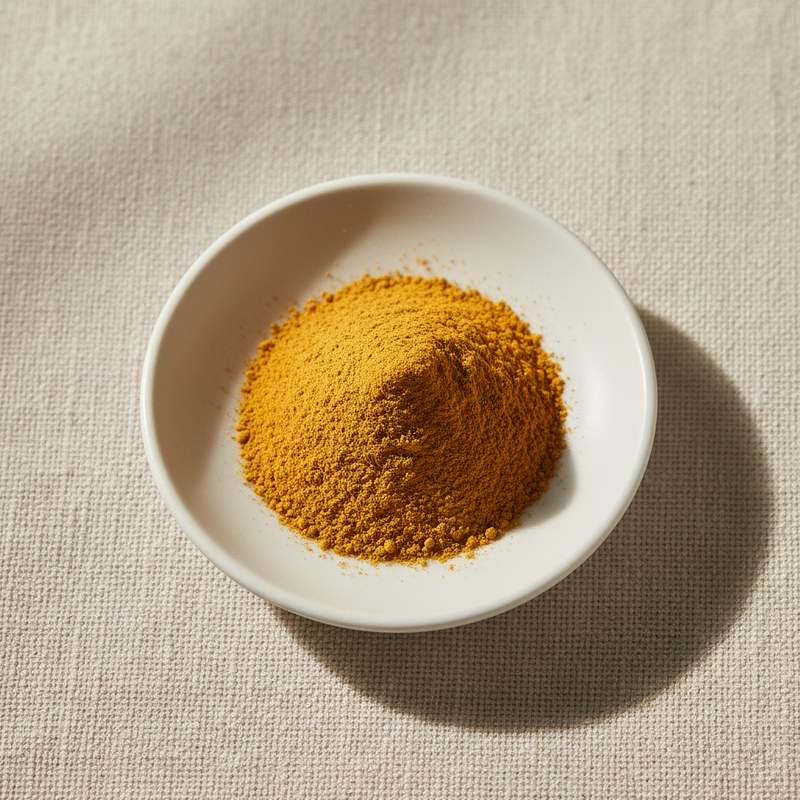
Light brown to dark brown free-flowing powder or paste, with characteristic savory umami aroma. Highly water-soluble.
We supply food-grade Yeast Extract from manufacturers in China holding ISO, Halal, Kosher and other certifications relevant to the product and production.
Common market grades include Standard Savory Yeast Extract (for soups, sauces, and seasonings), High-Nucleotide Yeast Extract (premium umami grade with elevated 5'-GMP and 5'-IMP content), Low-Salt Yeast Extract (for sodium-reduction applications), Autolyzed Yeast Extract, and Nutritional Yeast (the deactivated yellow flake form for vegan applications).
Bulk and reduced-MOQ shipments. Batch-level COA covering protein content, nucleotide content, salt content, free amino acids, heavy metals, and microbiology.
Introduction
Yeast Extract production developed in the early 20th century alongside the brewing industry, which generated spent yeast as a byproduct that could be hydrolyzed to yield the savory extract. Modern production uses dedicated cultivation of Saccharomyces cerevisiae specifically for extract manufacture.
Industrial production proceeds by autolysis (controlled self-digestion of yeast cells by their endogenous enzymes), followed by separation of the soluble fraction, optional debittering, and spray-drying or paste production. High-nucleotide grades use additional enzymatic processing to elevate 5'-GMP and 5'-IMP content, the principal umami-active nucleotides.
Recognized as a permitted food ingredient by the U.S. FDA (GRAS), the European Food Safety Authority, and equivalent regulators worldwide.
Strategic positioning is dominated by the savory flavoring market globally, where Yeast Extract serves as the principal clean-label alternative to monosodium glutamate (MSG) and hydrolyzed vegetable proteins. The combination of natural-source label declaration and substantial umami contribution supports premium positioning in branded retail savory products.
Where it is used
- Natural savory flavoring: soups, sauces, gravies, dressings, and seasoning blends (the dominant commercial application globally)
- Vegan and vegetarian umami flavoring: alternative to meat-extract savory ingredients
- Fermentation nutrient: brewing, wine-making, and microbial fermentation media
- Clean-label MSG replacement: provides umami without monosodium glutamate labeling
- Cell-culture media: bioprocessing and pharmaceutical manufacturing
- Snack and processed-food seasonings
- Nutritional yeast (deactivated, dehulled): popular vegan B-vitamin source and cheese-flavor substitute
- Pet food palatants and flavor enhancement
Technical data
| Item | Specification |
|---|---|
| Appearance | Light to dark brown free-flowing powder or paste |
| Protein content | ≥ 50% (typically 60 to 75%) |
| Nucleotide content (5'-GMP + 5'-IMP) | 1.5% to 12% (grade dependent) |
| Salt content | varies by grade (low-salt grade ≤ 3%) |
| Loss on drying | ≤ 6.0% |
| Heavy metals (as Pb) | ≤ 2 mg/kg |
| Total plate count | ≤ 5000 cfu/g |
| Source | Saccharomyces cerevisiae |
Related ingredients
Ready to discuss business?
Send us your spec and requirement. We will respond with availability and pricing within 24 hours.