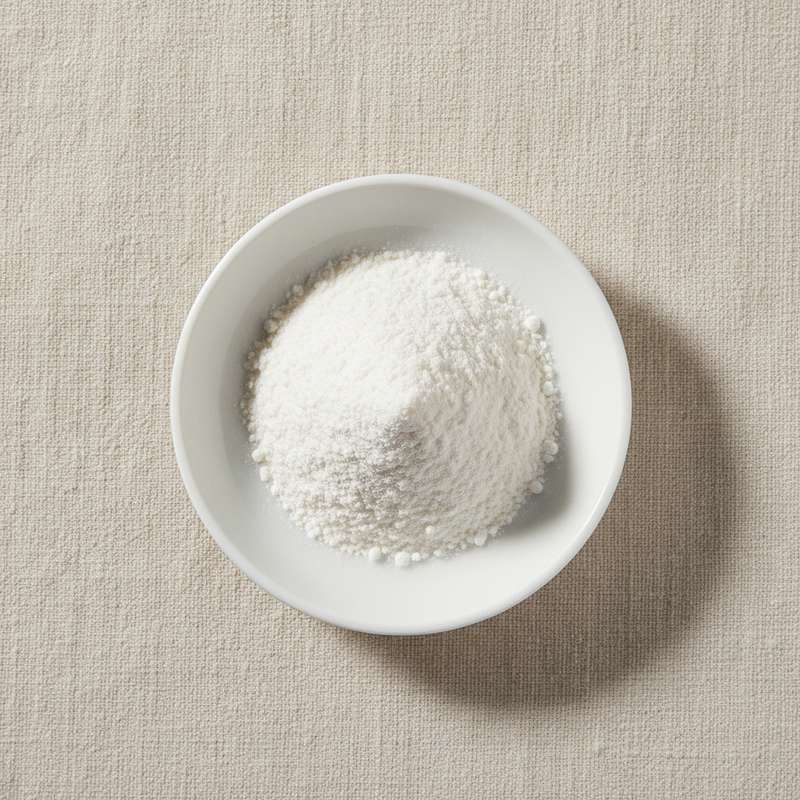
Description
A purified single-fraction kappa-carrageenan produced by alcohol-precipitation refining of red-seaweed extract. Forms firm brittle gels with potassium ions and binds milk casein at very low dosage; the dominant fraction in cured-meat, processed-cheese, and chocolate-milk applications.
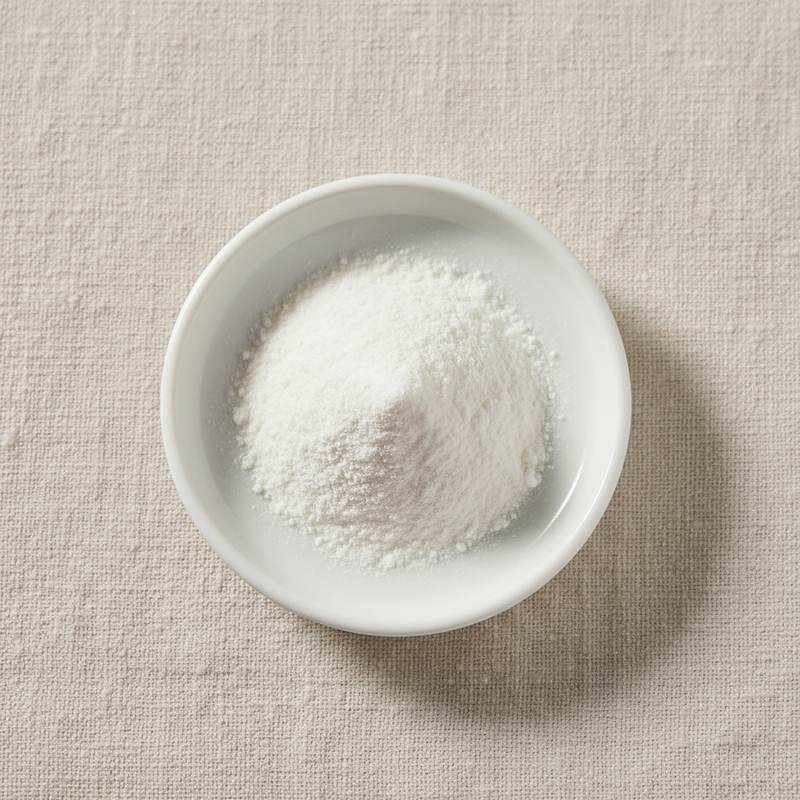
White to pale yellow free-flowing powder. Free of acid-insoluble cellulose impurities present in semi-refined PES grades; produces clear glossy gels suitable for premium dairy desserts and confectionery.
We supply food-grade and pharmaceutical-grade Kappa-Carrageenan Refined from manufacturers in China holding ISO, Halal, Kosher and other certifications relevant to the product and production.
Common market grades include Standard Meat Grade (the principal format for cured-meat injection systems), Dairy Grade for chocolate milk and ice cream, Confectionery Grade for clear gummies and jellies, and Pharmaceutical Grade meeting USP and EP specifications.
Bulk and reduced-MOQ shipments. Batch-level COA covering gel strength, viscosity, sulphate content, acid-insoluble matter, heavy metals, and microbiology.
Introduction
Kappa-Carrageenan is the firmest-gelling of the three commercial carrageenan fractions and the dominant fraction in food applications. Refined grades are produced by full alcohol precipitation, distinguishing them from cost-positioned semi-refined PES grades that retain cellulose impurities.
Industrial production proceeds by alkaline hot-water extraction of dried Eucheuma cottonii (Kappaphycus alvarezii) seaweed, filtration through diatomaceous earth, precipitation with isopropanol or potassium chloride, washing, drying, and milling. The selective extraction of cottonii seaweed yields material with greater than 90 percent kappa fraction.
Regulated as E407 in the EU, classified as Generally Recognized as Safe by the U.S. FDA for finished foods (with specific exclusions for some infant formula applications), and approved by JECFA with an Acceptable Daily Intake group of 75 mg per kg body weight.
The molecule has one sulphate group per disaccharide repeat unit. Helical association of polymer chains in the presence of potassium ions produces the firm brittle gel structure that distinguishes Kappa from Iota (calcium-bridged, soft elastic) and Lambda (sulphate-rich, non-gelling).
Strategic positioning serves the premium dairy and meat applications where gel clarity, texture, and casein synergy at very low dosage matter. Refined grades carry meaningful cost premium over semi-refined PES but deliver clarity and clean label characteristics that semi-refined cannot match.
Where it is used
- Cured meat injection brines: ham, deli meats, and turkey; the dominant water-binding agent in this category at 0.3 to 1.0 percent
- Chocolate milk and cocoa-flavored dairy: cocoa-particle suspension at 0.02 to 0.04 percent through casein synergy
- Premium ice cream and frozen desserts; texture and slow-melt control in synergy with locust bean gum
- Processed cheese slices and shreds; structural binding
- Confectionery: clear gummies, jellies, and dessert gels with brittle texture
- Plant-based meat alternatives: thermal-set gel structure
- Pet food: gel formation in canned and pouched wet pet food
- Pharmaceutical applications: oral suspensions and topical gel formulations
Technical data
| Item | Specification |
|---|---|
| Appearance | White to pale yellow free-flowing powder |
| Gel strength (1.5% in 0.1% KCl) | 700 to 1100 g/cm² |
| Viscosity (1.5% at 75 °C) | 50 to 100 cP |
| Sulphate content | 18% to 25% |
| Acid-insoluble matter | ≤ 2.0% |
| Loss on drying | ≤ 12.0% |
| Ash | 15.0% to 30.0% |
| Heavy metals (as Pb) | ≤ 5 mg/kg |
| Arsenic | ≤ 3 mg/kg |
| Particle size | ≥ 95% through 80 mesh |
Related ingredients
Ready to discuss business?
Send us your spec and requirement. We will respond with availability and pricing within 24 hours.