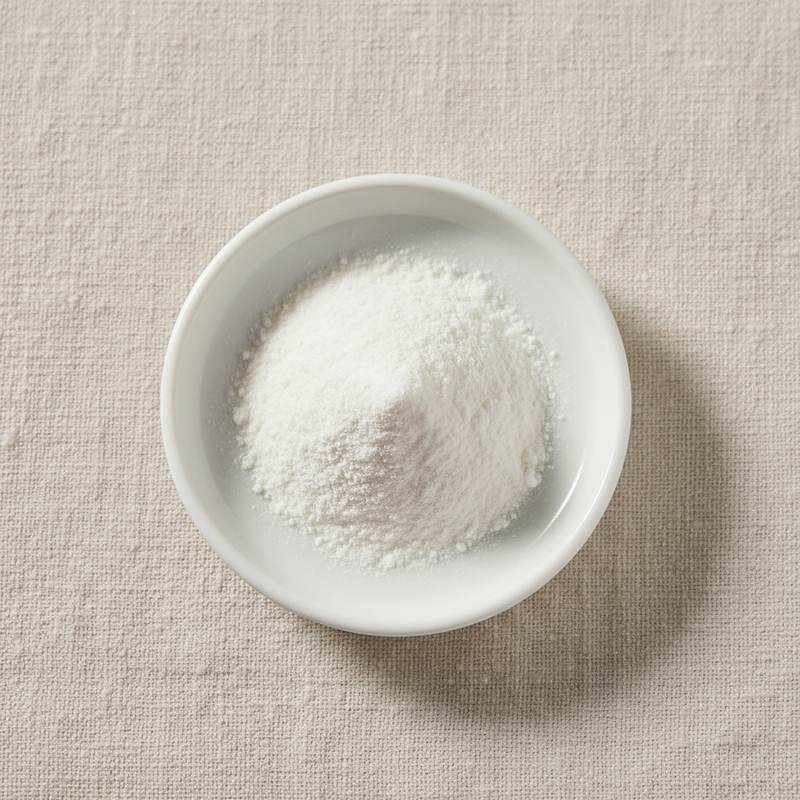
Description
The propylene glycol ester of alginic acid, modified specifically to provide acid-stable hydrocolloid function. Unlike sodium alginate, which precipitates below pH 4, PGA remains soluble and functional down to pH 3, the property that makes it the dominant alginate for beverage and acidic-food applications.
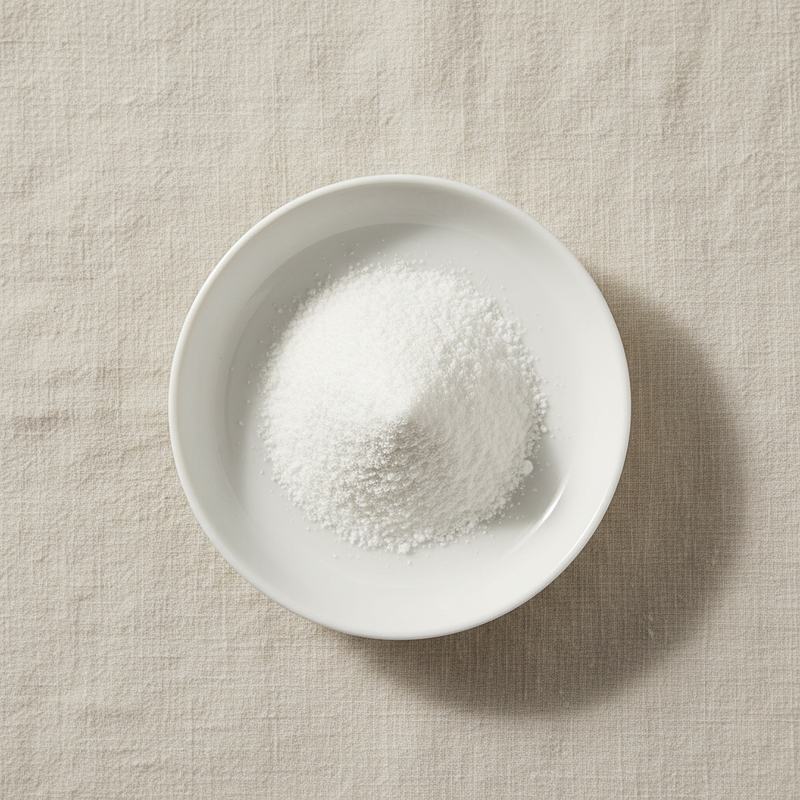
White to yellowish powder. Soluble in cold water and in dilute acidic solutions. Used at 0.1 to 0.5 percent concentrations for foam stabilization, suspension, and viscosity contribution.
We supply food-grade Propylene Glycol Alginate from manufacturers in China holding ISO, Halal, Kosher and other certifications relevant to the product and production.
Common market grades include Standard Food Grade (esterification 60 to 80 percent), Beer-Stable Grade (high esterification for beer foam stability), Beverage Grade for acidic applications, and Pharmaceutical Grade meeting USP specifications.
Bulk and reduced-MOQ shipments. Batch-level COA covering viscosity, esterification degree, free propylene glycol, heavy metals, and microbiology.
Introduction
Propylene Glycol Alginate was developed in the 1940s as an acid-stable modification of natural sodium alginate, addressing the principal application limitation of unmodified alginate.
Industrial production proceeds by partial esterification of alginic acid with propylene oxide under controlled pH, replacing the carboxylic acid groups with propylene glycol esters. The degree of esterification (typically 60 to 80 percent) determines acid stability and functional behavior.
Regulated as E405 in the EU, classified as Generally Recognized as Safe by the U.S. FDA for specific applications, and approved by JECFA with an Acceptable Daily Intake of 70 mg per kg body weight.
The molecule's principal property is the partial replacement of negatively charged carboxylic groups with neutral ester groups, which prevents the protonation-driven precipitation that limits unmodified alginate to pH above 4. The esterified form remains soluble down to pH 3, opening application in carbonated beverages, citrus drinks, and acidic dairy systems.
Strategic positioning is dominated by the beer industry: PGA is the standard ingredient for delivering the long-lasting, lacy foam that distinguishes premium beers, used at 30 to 100 mg per liter across most major lager and ale brands globally. Outside beer, PGA serves the broader acidic-beverage and acidic-food formulation segments where unmodified alginate would not function.
Where it is used
- Beer foam stabilization; the dominant ingredient in this category, dosed at 30 to 100 mg per liter
- Carbonated soft drinks and acidic beverages requiring suspension and viscosity
- Salad dressings, mayonnaise, and acidic sauces
- Fruit juice concentrate and pulp suspension
- Acidic dairy: yogurt drinks, fruit-flavored dairy beverages
- Frozen desserts: sorbet and acidic ice creams
- Pharmaceutical syrups and oral suspensions in acidic formulations
- Cosmetic formulations including acidic toners and skincare products
- Industrial applications: paper coatings and textile printing pastes
Technical data
| Item | Specification |
|---|---|
| Appearance | White to yellowish powder |
| Viscosity (1% solution) | 200 to 400 cP |
| Esterification degree | 60% to 80% |
| Loss on drying | ≤ 20.0% |
| Free propylene glycol | ≤ 15.0% |
| pH (1% solution) | 3.0 to 6.0 |
| Heavy metals (as Pb) | ≤ 5 mg/kg |
| Arsenic | ≤ 3 mg/kg |
| Particle size | Per customer specification |
Related ingredients
Ready to discuss business?
Send us your spec and requirement. We will respond with availability and pricing within 24 hours.