Description
The general-catalog SKU for the alginate family, covering Alginic Acid (the parent free-acid form, E400) and the principal salt forms across food, pharmaceutical, and industrial applications. Includes Sodium Alginate, Calcium Alginate, Potassium Alginate, and Ammonium Alginate variants.
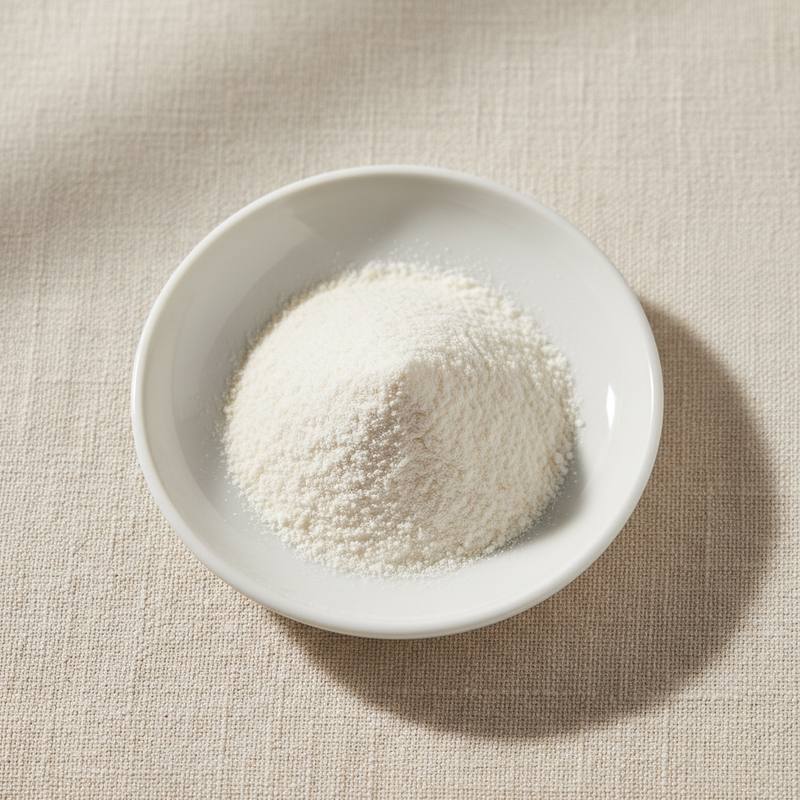
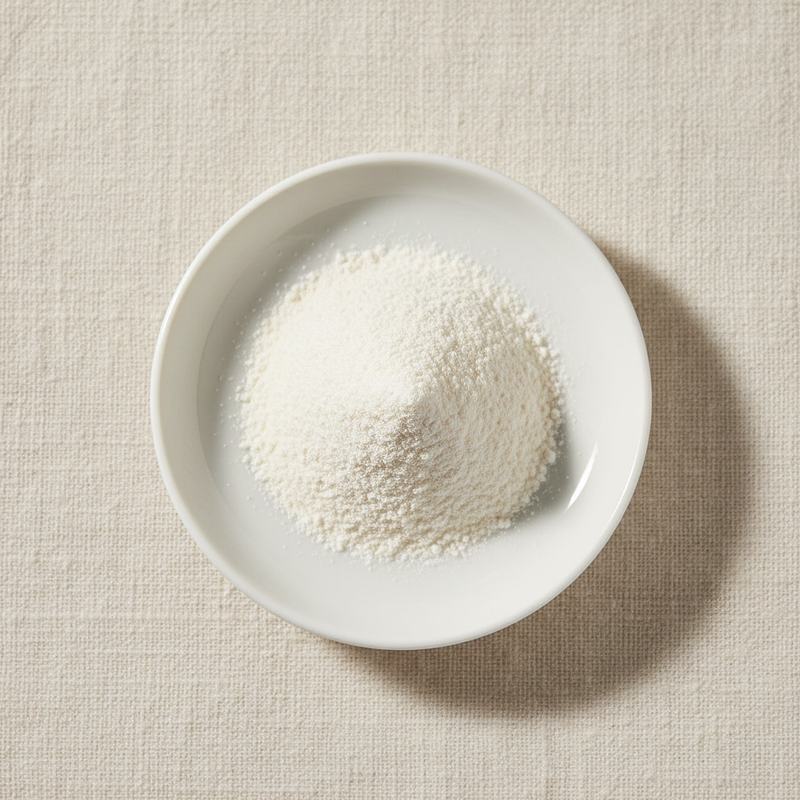
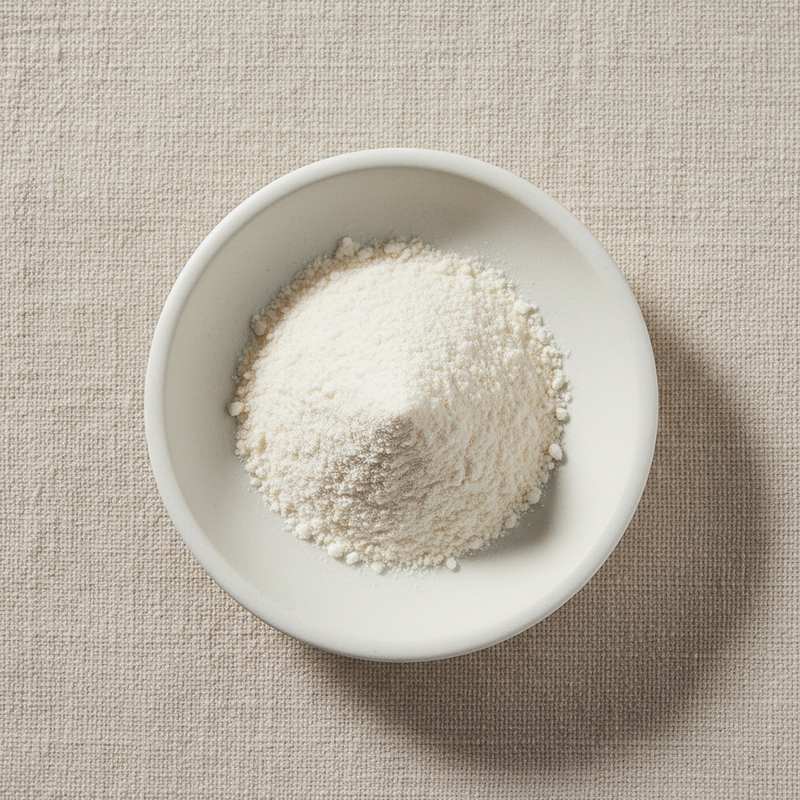
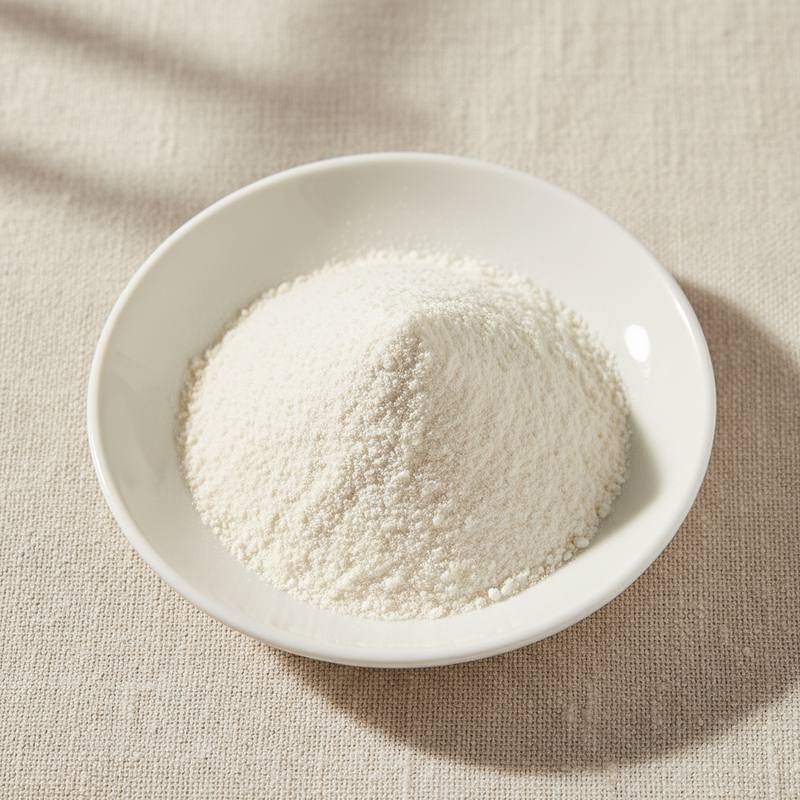
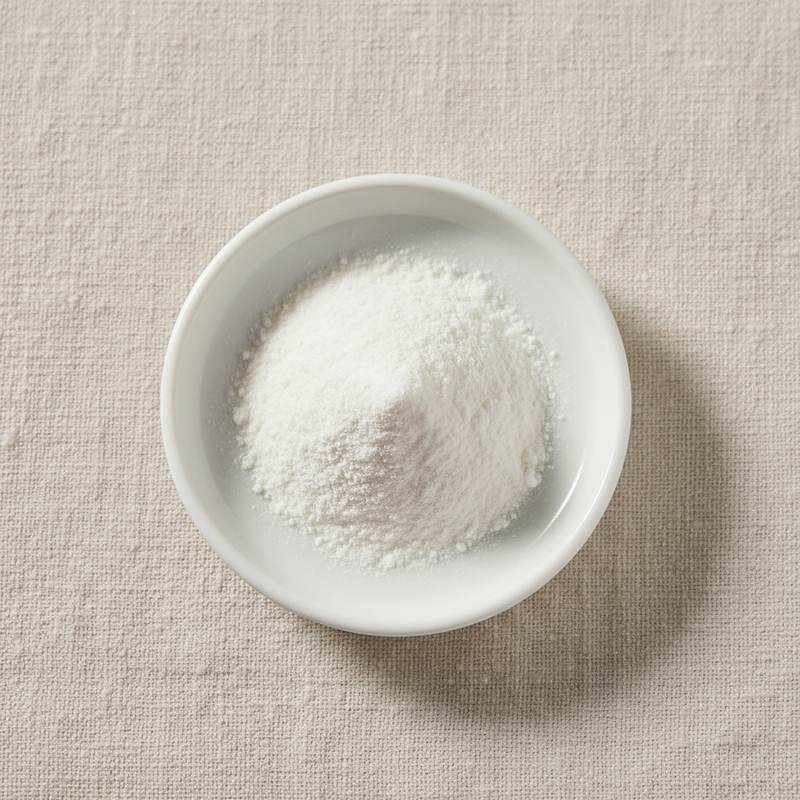
White to yellowish powder, with appearance varying by salt form and grade. Used as a gelling agent, thickener, stabilizer, and structural binder across the broadest range of hydrocolloid applications.
We supply food-grade and pharmaceutical-grade Alginate products from manufacturers in China holding ISO, Halal, Kosher and other certifications relevant to the product and production.
Common market formats include Alginic Acid (the free-acid form), Sodium Alginate (the dominant water-soluble grade, catalog id 7564), Calcium Alginate (catalog id 7544), Potassium Alginate, Ammonium Alginate, and Propylene Glycol Alginate (catalog id 7539). Each grade serves different application requirements.
Bulk and reduced-MOQ shipments for any alginate variant. Batch-level COA appropriate to the specific grade ordered.
Introduction
The alginate family was discovered by British chemist E.C.C. Stanford in 1881 and brought to industrial scale through the 20th century. The family of compounds is extracted from brown seaweeds (Laminaria, Ascophyllum, Macrocystis species) and includes the parent acid plus multiple salt forms.
Industrial production proceeds by alkaline extraction of dried brown seaweed, neutralization with sodium carbonate, and ion-exchange or precipitation to yield the desired salt form. The free Alginic Acid is produced by acidification of Sodium Alginate solution.
Regulated under E400 (Alginic Acid), E401 (Sodium), E402 (Potassium), E403 (Ammonium), E404 (Calcium), and E405 (Propylene Glycol) in the EU, all classified as Generally Recognized as Safe by the U.S. FDA, listed in BP, USP, and EP pharmacopoeias, and approved by JECFA with a group Acceptable Daily Intake of 50 mg per kg body weight.
The polymer is composed of mannuronic acid and guluronic acid blocks in different ratios depending on seaweed source. The M/G ratio determines functional properties; the salt form determines water solubility and reactivity.
Strategic role across the alginate family covers the full spectrum of hydrocolloid applications: water-soluble Sodium Alginate dominates volume in food thickening; insoluble Calcium Alginate serves spherification and encapsulation; acid-stable Propylene Glycol Alginate dominates beer foam and acidic-beverage applications.
Where it is used
- Ice cream and frozen desserts: texture, melt resistance, freeze-thaw stability
- Restructured food applications: imitation crab, restructured fruit, faux caviar, modernist spherification
- Bakery glazes, pie fillings, and pastry creams
- Salad dressings, sauces, condiments, and emulsion stabilization
- Pharmaceutical antacid raft-forming reflux preparations
- Wound dressings and medical-grade alginate fibers
- Cosmetic facial mask matrices and dental impression materials
- Pet food: gel formation in canned and pouched wet food
- Industrial applications: textile printing thickeners, paper coatings, water treatment
- Drug-delivery encapsulation systems
Technical data
| Item | Specification |
|---|---|
| Available forms | Alginic Acid, Sodium Alginate, Calcium Alginate, Potassium Alginate, Ammonium Alginate, PGA |
| Appearance | White to yellowish powder |
| Viscosity (1% solution) | 50 to 1500 cP (grade dependent) |
| Loss on drying | ≤ 15.0% |
| Ash | Grade dependent |
| Heavy metals (as Pb) | ≤ 5 mg/kg |
| Arsenic | ≤ 3 mg/kg |
| Particle size | Per customer specification |
Related ingredients
Ready to discuss business?
Send us your spec and requirement. We will respond with availability and pricing within 24 hours.