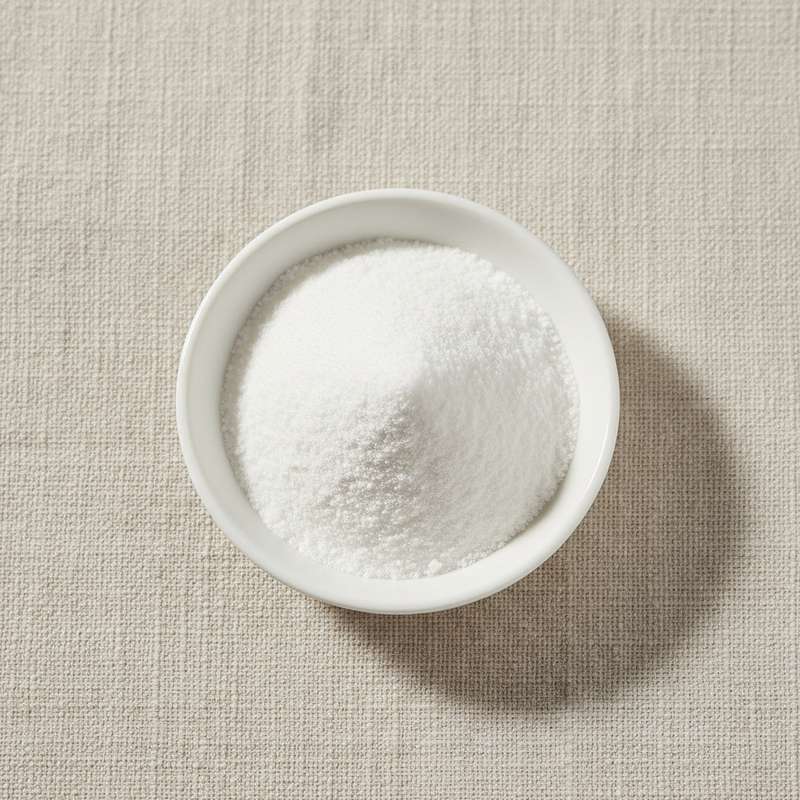
Description
Soda ash, Na2CO3, supplied in dense and light food-grade forms. A moderate-strength alkali used in cocoa Dutching, noodle production, and pH regulation where sodium bicarbonate's thermal decomposition or sodium hydroxide's aggressive strength is unsuitable.
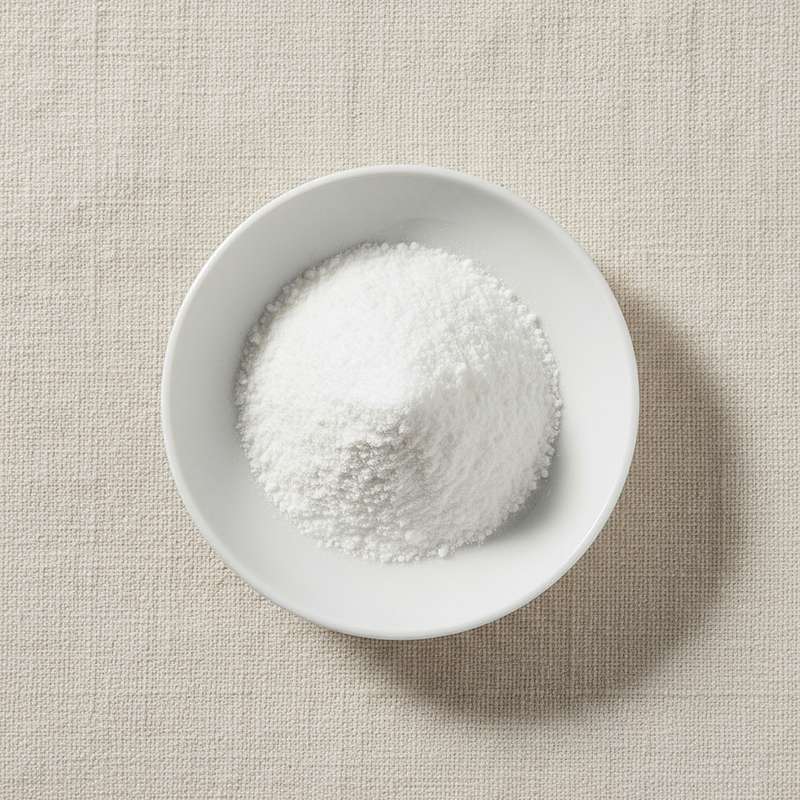
White odorless crystalline powder or granular material. Soluble in water with strong exothermic dissolution; 1 percent solution has pH near 11.5.
We supply food-grade Sodium Carbonate from manufacturers in China holding ISO, Halal, Kosher and other certifications relevant to the product and production.
Common market grades include food-grade dense soda ash (high bulk density, granular, for dry blending), food-grade light soda ash (lower density, fine powder, for rapid dissolution), pharmaceutical USP/EP grade, and refined feed grade. Decahydrate (washing soda) is available where higher water content is acceptable.
Bulk and reduced-MOQ shipments. Batch-level COA covering assay, chloride, sulfate, iron, heavy metals, and microbiology.
Introduction
Sodium Carbonate has been used as an alkali since antiquity, originally harvested from natural deposits (natron) in Egypt and North Africa and from the ash of marine plants in coastal Europe. The Leblanc process (1791) was the first synthetic route; the Solvay process (1860s) is the dominant modern technology, producing sodium carbonate from salt brine, ammonia, and limestone.
The Solvay process generates sodium bicarbonate as the immediate crystalline product, which is then calcined at controlled temperature to yield sodium carbonate plus CO2 and water. Modern food-grade production additionally refines the calcined product to remove sulfate, chloride, and heavy-metal impurities. Dense and light grades are produced by controlled crystallization and milling.
Regulated in the EU as E500(i), classified as Generally Recognized as Safe by the U.S. FDA under 21 CFR 184.1742, listed in USP and EP monographs, and approved by JECFA without a numerical Acceptable Daily Intake limit when used within Good Manufacturing Practice.
Function in finished products is moderate-pH alkalinity. In cocoa Dutching, sodium carbonate is preferred over hydroxide because its weaker base strength produces gentler color development with less risk of saponification of cocoa butter. In Chinese alkaline noodles, sodium carbonate raises the dough pH to approximately 9, denaturing wheat proteins into the distinctive yellow elastic gluten network of lamian and ramen. In effervescent tablets, it pairs with citric or tartaric acid for slower controlled CO2 release than sodium bicarbonate alone.
Strategic positioning: Sodium Carbonate occupies the middle ground between sodium bicarbonate (weaker, decomposes on heat) and sodium hydroxide (stronger, harsh). For applications requiring sustained moderate alkalinity at room temperature, it is the workhorse alkali of choice.
Where it is used
- Cocoa Dutching alkalization, the dominant alkali for industrial cocoa powder color and flavor development
- Chinese hand-pulled noodle (lamian) and ramen production where alkaline pH produces yellow color and chewy texture
- pH adjustment in carbonated beverages, mineral waters, and processed foods
- Caramel-color production where soda ash sets the alkaline base for sugar pyrolysis
- Gelatin manufacturing for alkaline-process extraction from bone and hide
- Dairy CIP and equipment cleaning at moderate alkalinity
- Glass-making, detergent, and water-treatment industrial applications outside food
- Pharmaceutical effervescent and antacid formulations
- Sugar refining as a milder alternative to lime in specific clarification steps
Technical data
| Item | Specification |
|---|---|
| Appearance | White odorless crystalline powder or granules |
| Assay (Na2CO3, dry basis) | ≥ 99.2% |
| Loss on drying (250 °C) | ≤ 1.0% |
| Sodium chloride (NaCl) | ≤ 0.5% |
| Sulfate (as SO4) | ≤ 0.05% |
| Iron (as Fe) | ≤ 30 mg/kg |
| Heavy metals (as Pb) | ≤ 5 mg/kg |
| Arsenic | ≤ 3 mg/kg |
| Acid-insoluble matter | ≤ 0.04% |
| Bulk density | Dense or light per customer specification |
Related ingredients
Ready to discuss business?
Send us your spec and requirement. We will respond with availability and pricing within 24 hours.