Description
Pentasodium triphosphate, Na5P3O10. The dominant water-binding phosphate in meat, poultry, and seafood processing globally, used at typical inclusion 0.2 to 0.5 percent of finished product weight.
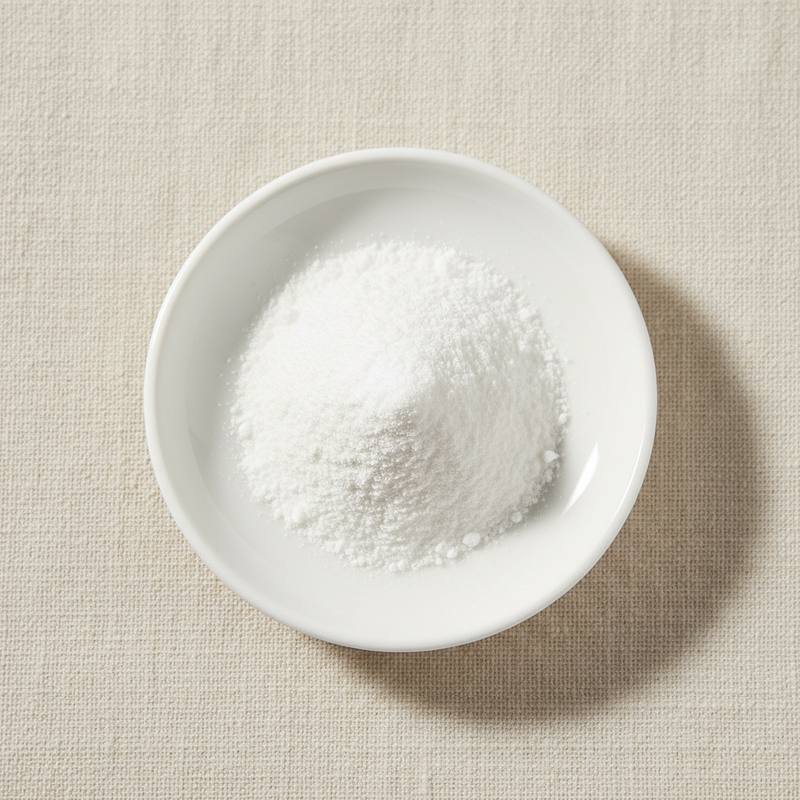
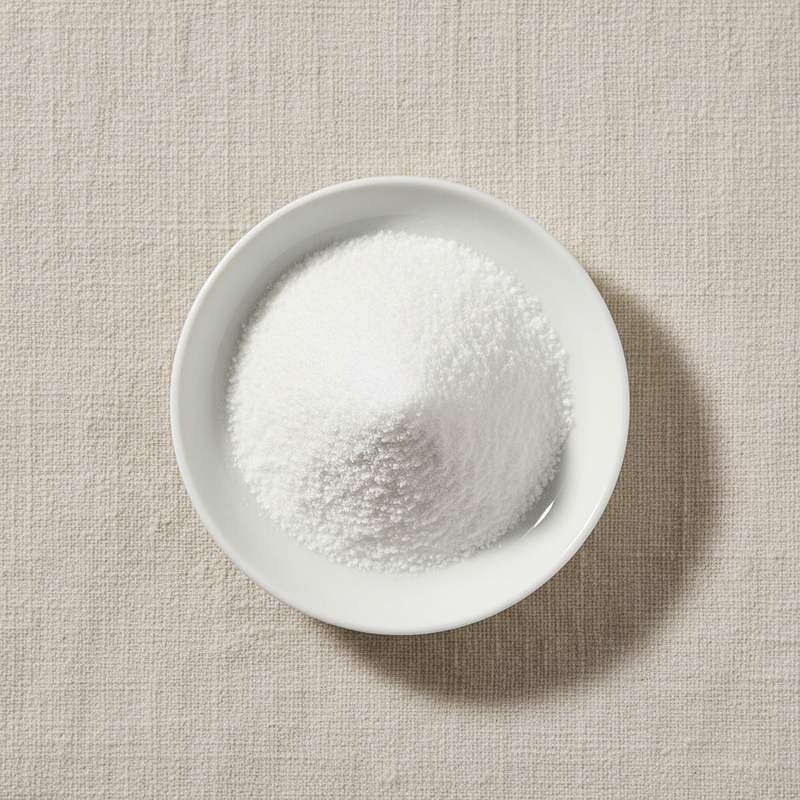
White granular powder. Highly water-soluble. Mildly alkaline in solution. Strong sequestering activity against calcium and magnesium, similar in mechanism to SHMP but with higher solubility and more rapid action.
We supply food-grade Sodium Tripolyphosphate from manufacturers in China holding ISO, Halal, Kosher and other certifications relevant to the product and production.
Common market grades include food-grade Type I (low-density), food-grade Type II (high-density) for tumbled and injected meat applications, and industrial grade for non-food uses. The food-grade grades differ in dissolution rate and bulk density to suit specific processing equipment.
Bulk and reduced-MOQ shipments. Batch-level COA covering assay, P2O5 content, water-insoluble matter, fluoride, heavy metals, and microbiology.
Introduction
Sodium Tripolyphosphate has been used in detergents since the 1940s and in food applications since the 1950s, with explosive growth from the 1960s as processed-meat manufacturers adopted injection-brine technology and seafood processors moved to industrial freezing.
Production is by controlled thermal condensation of a stoichiometric mixture of monosodium and disodium orthophosphates at approximately 300 to 500 °C. The resulting tripolyphosphate is granulated, milled, and graded by bulk density and dissolution rate.
Regulated in the EU as E451(i) within the polyphosphate group, classified as Generally Recognized as Safe by the U.S. FDA under 21 CFR 182.1810, and covered by the JECFA group ADI for phosphates of 70 mg/kg body weight as phosphorus.
Mechanism in finished products centers on three coupled effects in meat and seafood: pH elevation that shifts protein away from its isoelectric point, calcium and magnesium sequestration that frees protein binding sites, and direct interaction with myofibrillar proteins that opens water-binding capacity. The result is significantly higher cook yield (5 to 12 percent typical) and improved texture in injected and tumbled products.
Strategic positioning: STPP is the workhorse water-binder of the modern protein industry. Its volume in meat, poultry, and seafood processing exceeds all other food-grade phosphates combined in many regions. Specifications are often customer-specific, with Type I or Type II selected based on tumbling equipment, brine temperature, and finished-product target.
Where it is used
- Injected and tumbled ham, bacon, and processed meat products; the standard water-binding phosphate for cured-meat brine systems
- Poultry processing; reduces cook loss and improves yield in chilled and frozen products
- Seafood treatment; standard for shrimp, scallops, lobster, and white fish moisture retention
- Surimi and fish-paste products; structural and water-binding component
- Pet food and dairy applications requiring water-binding and emulsion stability
- Processed cheese melt enhancement in combination with other emulsifying salts
- Industrial detergent and water-treatment applications (industrial grade only)
- Ceramic and textile processing as a deflocculant
Technical data
| Item | Specification |
|---|---|
| Appearance | White granular powder |
| Assay (Na5P3O10, dry basis) | ≥ 94.0% |
| P2O5 content | ≥ 57.0% |
| pH (1% solution) | 9.5 to 10.0 |
| Water-insoluble matter | ≤ 0.1% |
| Loss on drying | ≤ 0.7% |
| Fluoride | ≤ 30 mg/kg |
| Heavy metals (as Pb) | ≤ 10 mg/kg |
| Arsenic | ≤ 3 mg/kg |
| Particle size | Type I or Type II per customer specification |
Related ingredients
Ready to discuss business?
Send us your spec and requirement. We will respond with availability and pricing within 24 hours.