Description
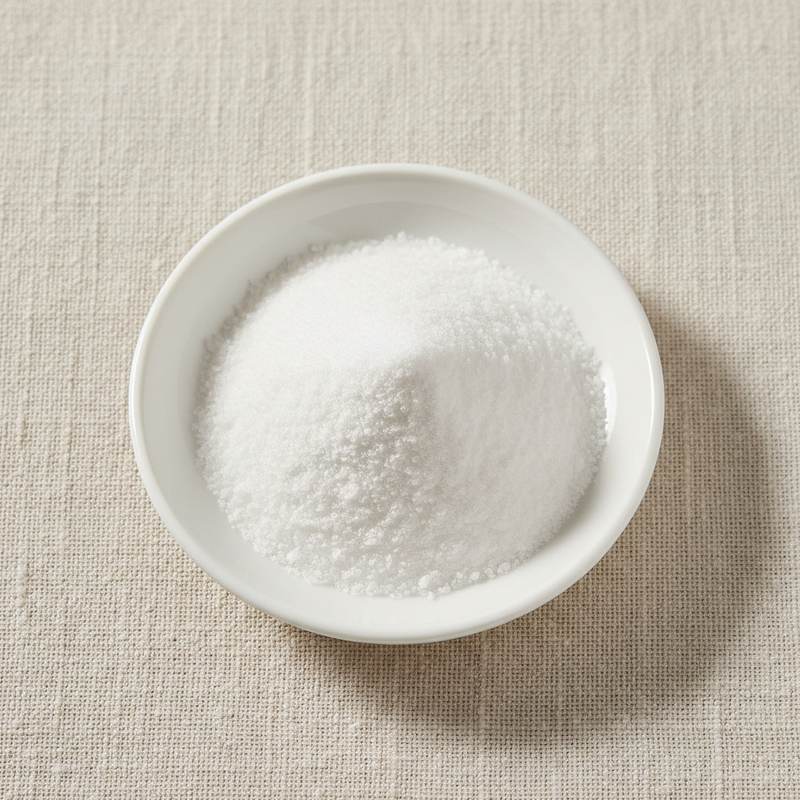
Caustic soda, NaOH, supplied in food-grade flake, pearl, prill, and 32 to 50 percent aqueous-solution forms. The universal strong base of food processing, used for pH adjustment, peeling, alkali curing, and saponification.
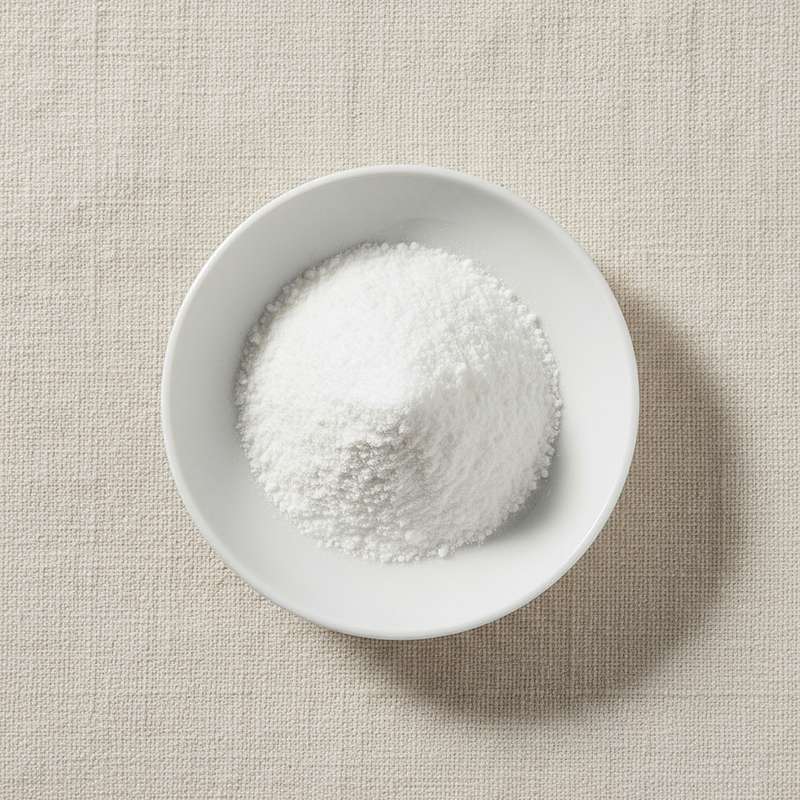
White deliquescent flakes or pearls. Strongly hygroscopic and reactive with carbon dioxide; must be handled in sealed containers. Highly exothermic on dissolution.
We supply food-grade Sodium Hydroxide from manufacturers in China holding ISO, Halal, Kosher and other certifications relevant to the product and production. Mercury-free membrane-cell production is standard for food-grade material.
Common market grades include food-grade flakes and pearls (98 to 99 percent assay), food-grade liquid (32, 45, or 50 percent NaOH), pharmaceutical USP/EP grade, and rayon and industrial grades. Membrane-cell origin is required for food and pharmaceutical contact.
Bulk and reduced-MOQ shipments. Batch-level COA covering assay, sodium chloride, sodium carbonate, iron, heavy metals, and mercury.
Introduction
Sodium Hydroxide is the largest-volume strong base in industrial use globally, with millions of tonnes produced annually. Food-grade material represents a small fraction of total chlor-alkali output but a critical fraction of food-processing chemistry. Production proceeds by membrane-cell electrolysis of brine, the same technology used for food-grade potassium hydroxide.
Membrane-cell technology displaced mercury and asbestos-diaphragm processes for food applications, eliminating heavy-metal contamination. The cell liquor is evaporated to 50 percent for liquid grades or to anhydrous flake and pearl forms. Storage and shipping require materials of construction compatible with concentrated alkali and protection from atmospheric carbon dioxide.
Regulated in the EU as E524, classified as Generally Recognized as Safe by the U.S. FDA under 21 CFR 184.1763, listed in USP and EP monographs, and approved by JECFA without a numerical Acceptable Daily Intake limit when used within Good Manufacturing Practice.
Function in finished products parallels potassium hydroxide. The choice between NaOH and KOH is driven by cation preference in the finished food: NaOH dominates where sodium is acceptable or already present, KOH where potassium is preferred. In pretzel chemistry, NaOH at 1 to 4 percent solution generates the high-pH surface required for the characteristic glossy brown crust. In lye peeling, hot dilute NaOH hydrolyzes pectin in the skin-flesh interface.
Strategic positioning: Food-grade NaOH is the default strong base of food processing worldwide. KOH is the premium-positioned alternative; NaOH is the volume material that drives commercial pretzel, olive, nixtamal, and lye-peeled produce production.
Where it is used
- Pretzel and bagel surface alkalization to develop characteristic Maillard crust browning
- Lye peeling of tomatoes, peaches, potatoes, and other produce in industrial canneries
- Olive lye curing in Spanish-style green and Californian black olive production
- Hominy and nixtamal corn processing where alkaline cooking softens pericarp
- Cocoa Dutching alkalization, often combined with potassium carbonate for color and flavor control
- pH adjustment in beverages, dairy, and processed foods where sodium contribution is acceptable
- CIP and detergent chemistry in dairy, brewery, and beverage manufacturing plants
- Saponification of fats and oils in soap and food-emulsifier production
- Caustic regeneration in ion-exchange water treatment and sugar refining
Technical data
| Item | Specification |
|---|---|
| Appearance | White flakes, pearls, prills, or clear liquid |
| Assay (NaOH) | ≥ 98.0% (solid), 32.0% to 50.0% (liquid) |
| Sodium carbonate (Na2CO3) | ≤ 1.0% |
| Sodium chloride (NaCl) | ≤ 0.05% |
| Sulfate (as SO4) | ≤ 0.005% |
| Iron (as Fe) | ≤ 10 mg/kg |
| Heavy metals (as Pb) | ≤ 10 mg/kg |
| Arsenic | ≤ 3 mg/kg |
| Mercury | ≤ 0.1 mg/kg |
| Nickel | ≤ 1 mg/kg |
Related ingredients
Ready to discuss business?
Send us your spec and requirement. We will respond with availability and pricing within 24 hours.