Description
Caustic potash, KOH, supplied in food-grade flake, pearl, and 45 to 50 percent aqueous-solution forms. A strong inorganic base used for pH adjustment, peeling, and saponification in food and beverage manufacturing.
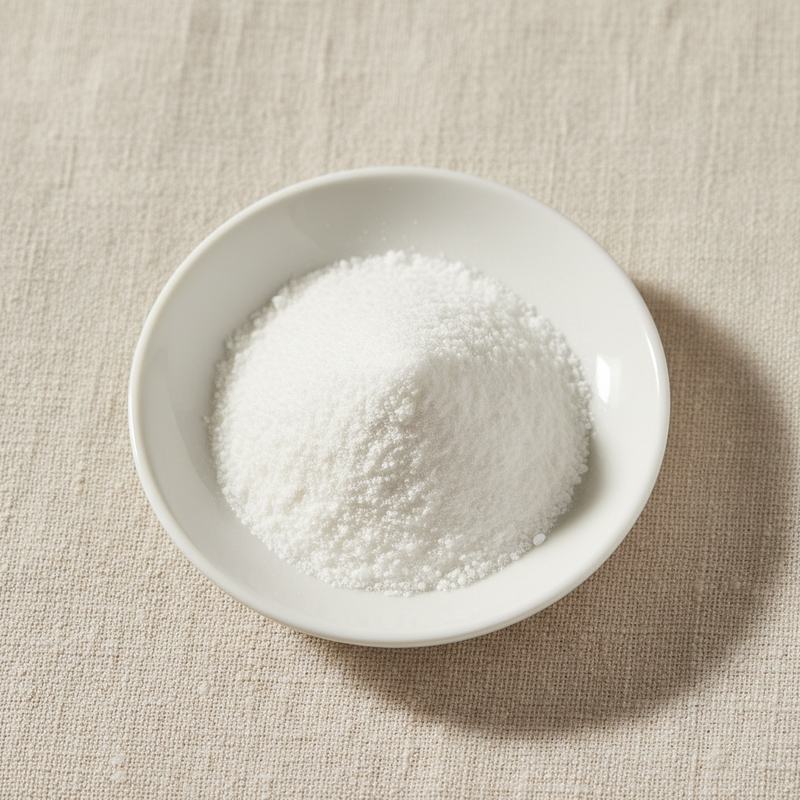
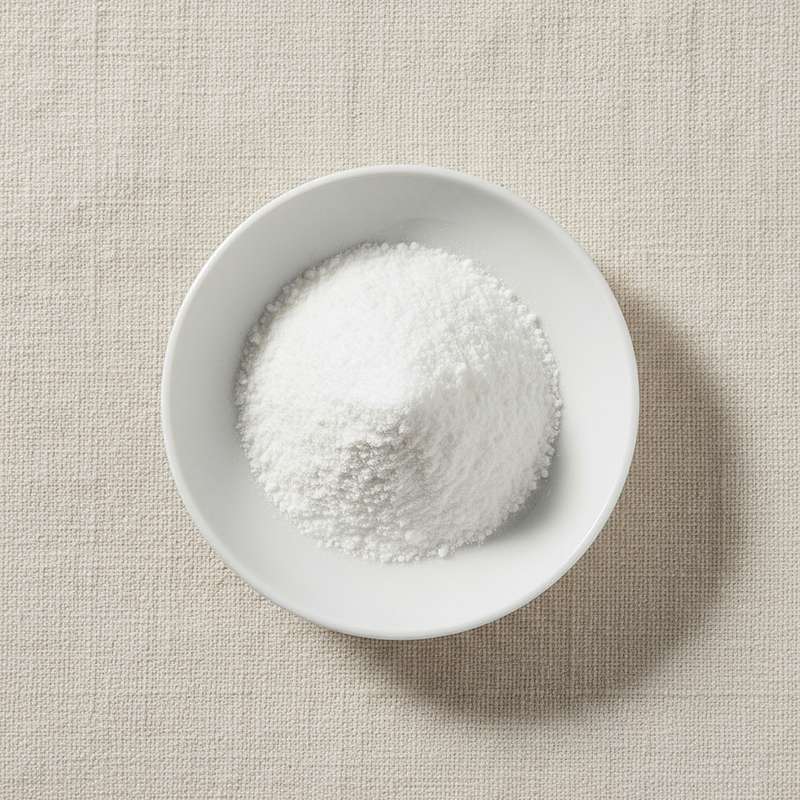
White deliquescent flakes or pearls with no odor. Strongly hygroscopic; absorbs water and carbon dioxide rapidly from air and must be handled in sealed containers. Highly exothermic on dissolution in water.
We supply food-grade Potassium Hydroxide from manufacturers in China holding ISO, Halal, Kosher and other certifications relevant to the product and production. Mercury-free membrane-cell production is standard for food-grade material.
Common market grades include food-grade flakes (95 percent assay), food-grade pearls (92 to 95 percent), and food-grade liquid (45 to 50 percent KOH solution). Pharmaceutical USP/EP and reagent grades are available for laboratory and pharmaceutical applications.
Bulk and reduced-MOQ shipments. Batch-level COA covering assay, carbonate, chloride, sulfate, sodium, heavy metals, and microbiology.
Introduction
Potassium Hydroxide has been used in food and traditional chemistry for centuries, originally produced by leaching wood ashes (potash). Modern food-grade production is exclusively electrochemical: a saturated potassium chloride brine is electrolyzed in a membrane cell, producing KOH solution at the cathode, chlorine at the anode, and hydrogen as a co-product.
Membrane-cell technology replaced the older mercury and diaphragm processes for food and pharmaceutical production, eliminating mercury contamination and asbestos contact. The cell liquor is concentrated by multi-effect evaporation to 45 to 50 percent for liquid grades, or to molten anhydrous KOH that is flaked or pearled for solid grades.
Regulated in the EU as E525, classified as Generally Recognized as Safe by the U.S. FDA under 21 CFR 184.1631, listed in USP and EP monographs, and approved by JECFA without a numerical Acceptable Daily Intake limit when used within Good Manufacturing Practice.
Function in finished products varies by application. In cocoa Dutching, KOH neutralizes natural cocoa acidity, deepening color through alkaline polymerization of polyphenols and reducing astringency. In pretzel and bagel processing, surface dipping in dilute KOH creates the high-pH crust that browns into the characteristic dark glossy finish on baking. In olive curing, KOH lye penetrates the fruit to hydrolyze bitter oleuropein glycosides.
Strategic positioning: Food-grade KOH is the workhorse strong base of process chemistry. Sodium hydroxide is interchangeable in many applications, but KOH is preferred where potassium rather than sodium is desired in the finished product (low-sodium claims, mineral fortification, soft-textured saponification products).
Where it is used
- Cocoa Dutching alkalization to darken color and mellow flavor in cocoa powder and chocolate processing
- Olive curing in the lye-cured Spanish-style green olive process
- Pretzel and bagel surface alkalization to develop characteristic crust browning
- pH adjustment in soft drinks, mineral waters, and dairy formulations
- Saponification reagent in production of liquid soaps and emulsifier intermediates
- Peeling agent for tomatoes, peaches, and other thin-skinned produce in industrial canneries
- Hominy and nixtamal production where alkaline cooking softens corn pericarp
- CIP and cleaning chemistry in dairy, brewery, and beverage plants
- Pharmaceutical and supplement pH adjustment in liquid and topical formulations
Technical data
| Item | Specification |
|---|---|
| Appearance | White flakes, pearls, or clear liquid |
| Assay (KOH) | ≥ 90.0% (solid), 45.0% to 50.0% (liquid) |
| Carbonate (as K2CO3) | ≤ 2.0% |
| Chloride (as Cl) | ≤ 0.005% |
| Sulfate (as SO4) | ≤ 0.005% |
| Sodium (as Na) | ≤ 1.0% |
| Iron (as Fe) | ≤ 10 mg/kg |
| Heavy metals (as Pb) | ≤ 10 mg/kg |
| Arsenic | ≤ 3 mg/kg |
| Mercury | ≤ 0.1 mg/kg |
Related ingredients
Ready to discuss business?
Send us your spec and requirement. We will respond with availability and pricing within 24 hours.