Description
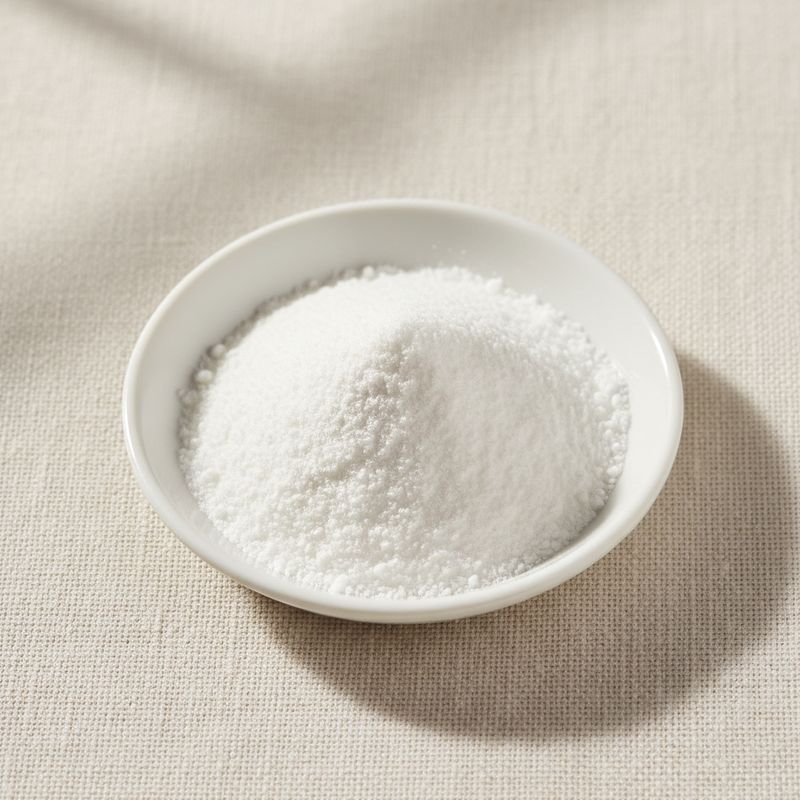
Monopotassium tartrate, KC4H5O6. The traditional leavening acid and egg-white stabilizer of European confectionery, recovered as a by-product of wine fermentation.
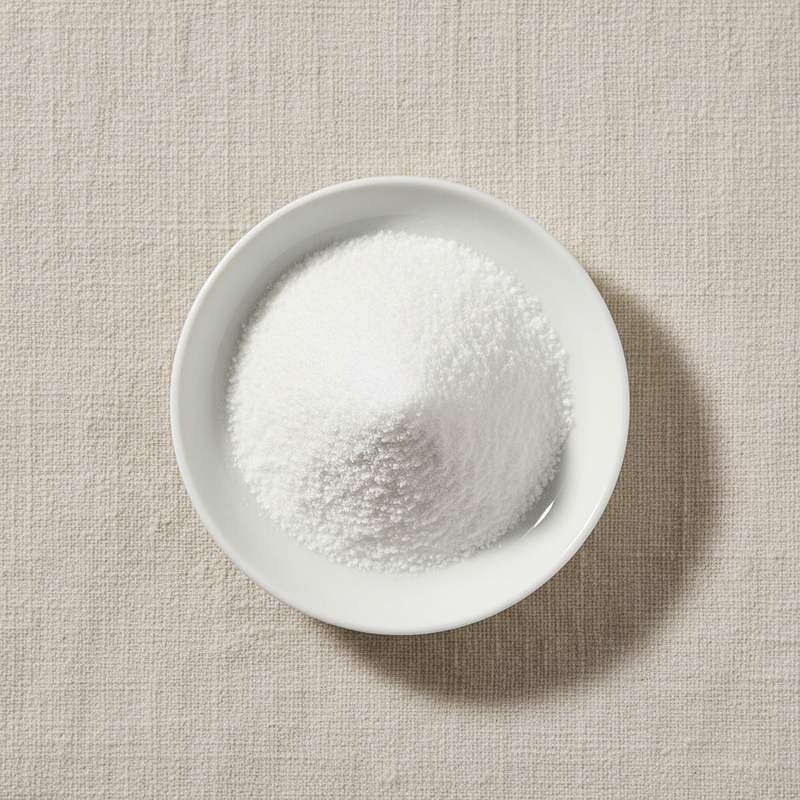
White to slightly grayish crystalline powder. Slightly soluble in cold water, more soluble in hot water. Mildly acidic, with a pKa near 4.3.
We supply food-grade and pharmaceutical-grade Potassium Bitartrate from manufacturers in China and Europe holding ISO, Halal, Kosher, and other certifications relevant to the product and production.
Common market grades include food-grade fine powder for baking and confectionery, pharmaceutical USP grade, and industrial grade for chemistry and metalwork applications. Wine-industry-source material is positioned for clean-label and natural-positioning customers.
Bulk and reduced-MOQ shipments. Batch-level COA covering assay, chloride, sulfate, calcium, iron, heavy metals, and microbiology.
Introduction
Potassium Bitartrate has been a baking and confectionery ingredient since at least medieval Europe, recovered as the crystalline deposit that forms on the inside of wine barrels and casks during fermentation. Modern production methods refine this same wine-industry by-product through dissolution, decolorization, and recrystallization.
Wine grapes contain natural tartaric acid, which during fermentation forms the slightly soluble potassium tartrate salt with potassium from the must. As the wine cools, the salt crystallizes out as argol or wine tartar, which is then processed into food-grade cream of tartar.
Regulated in the EU as E336(i), classified as Generally Recognized as Safe by the U.S. FDA under 21 CFR 184.1077, listed in USP and EP monographs, and approved by JECFA without a numerical Acceptable Daily Intake limit.
Mechanism in finished products differs by application. In baking, the mildly acidic salt reacts with sodium bicarbonate to release CO2, providing a slower controlled leavening profile than MCP-based systems. In whipped egg whites, the acid lowers pH near the isoelectric point of ovomucin, increasing foam stability and reducing the risk of overbeating. In sugar boiling, the acid catalyzes partial inversion of sucrose to glucose and fructose, suppressing recrystallization.
Strategic positioning: Potassium Bitartrate is a traditional, natural-source ingredient that survives in modern formulation because of three irreplaceable functions: meringue stability, sugar-work crystallization control, and the artisan-baking aesthetic value of cream of tartar as a clean-label leavening acid.
Where it is used
- Single-acting baking powder with sodium bicarbonate; the original chemical leavening pair
- Stabilizer for whipped egg whites in meringue, angel food cake, and soufflé applications
- Crystallization inhibitor in boiled sugar work, fondants, and royal icing
- pH adjustment in candymaking, preventing sugar recrystallization in caramels and toffees
- Acidulant in dairy and beverage formulations where a natural-source tartrate is preferred
- Component in some cleaning and metal-polishing formulations
- Cocktail and bartender applications including the classic gin fizz
- Pharmaceutical excipient and tartar-emetic precursor
Technical data
| Item | Specification |
|---|---|
| Appearance | White to slightly grayish crystalline powder |
| Assay (KC4H5O6, dry basis) | ≥ 99.0% |
| Loss on drying | ≤ 0.5% |
| pH (1% suspension) | 3.0 to 4.0 |
| Chloride (as Cl) | ≤ 0.014% |
| Sulfate (as SO4) | ≤ 0.05% |
| Calcium | ≤ 0.3% |
| Heavy metals (as Pb) | ≤ 10 mg/kg |
| Arsenic | ≤ 3 mg/kg |
| Particle size | Per customer specification |
Related ingredients
Ready to discuss business?
Send us your spec and requirement. We will respond with availability and pricing within 24 hours.