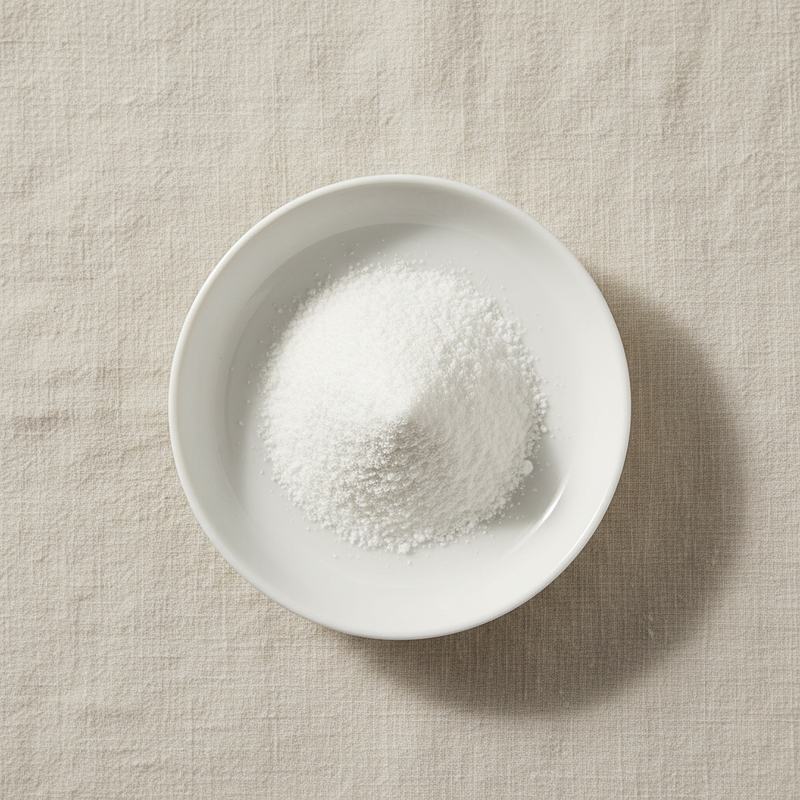
Description
The calcium salt of alginic acid, used in food formulations as a structural gelling agent and in encapsulation systems for spherification and bead manufacturing. The basis of modernist cuisine spherification techniques and pharmaceutical bead encapsulation.
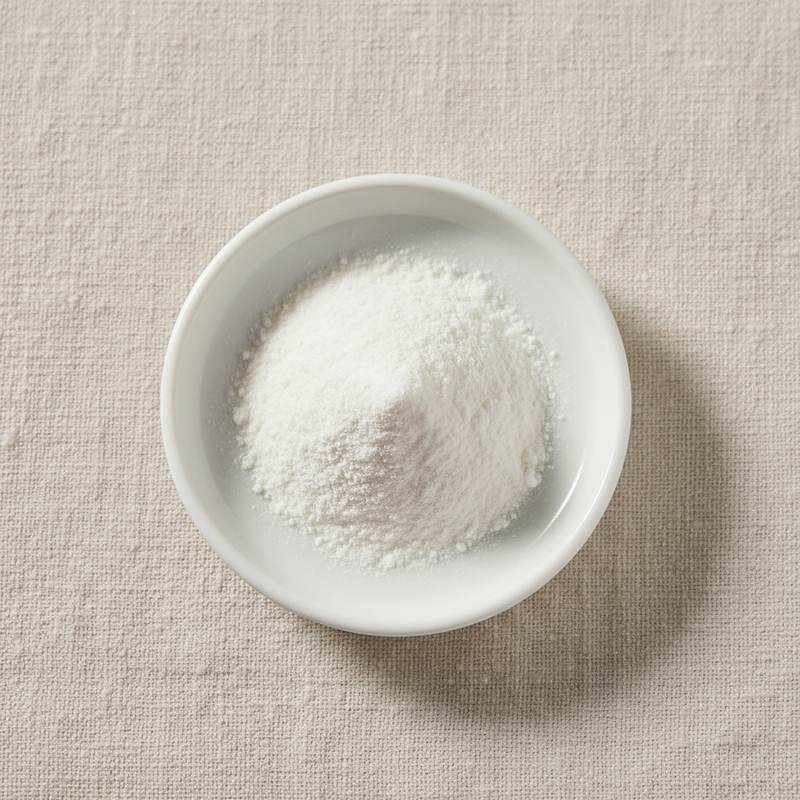
White to yellowish powder. Insoluble in water (unlike sodium alginate); forms gels in situ when sodium alginate solution contacts calcium ions through ion-exchange substitution.
We supply food-grade Calcium Alginate from manufacturers in China holding ISO, Halal, Kosher and other certifications relevant to the product and production.
Common market grades include Standard Food Grade (the workhorse for spherification and encapsulation), High-Calcium Variant for stronger gel formation, and Pharmaceutical Grade meeting USP specifications for wound care and drug-delivery applications.
Bulk and reduced-MOQ shipments. Batch-level COA covering calcium content, alginate content, particle size, heavy metals, and microbiology.
Introduction
Calcium Alginate was developed alongside Sodium Alginate in the early 20th century as the British seaweed industry commercialized alginic acid extraction. The calcium salt's distinctive insolubility property became the basis for spherification techniques formalized by chef Ferran Adrià in the 2000s.
Industrial production proceeds by precipitation of calcium chloride into sodium alginate solution, yielding insoluble Calcium Alginate fibers or particles. The fibers are washed, dried, and milled to defined particle-size specifications.
Regulated as E404 in the EU, classified as Generally Recognized as Safe by the U.S. FDA, and approved by JECFA with an Acceptable Daily Intake group of 50 mg per kg body weight (alginate group).
The molecule's dominant property is the irreversible cross-linking that calcium ions form with alginate's guluronic-acid blocks. This produces the famous 'egg-box' gel structure that gives alginate its distinctive cold-setting, thermo-irreversible gel behavior.
Strategic positioning serves three distinct markets: modernist cuisine and food-innovation applications (where spherification is a signature technique); pharmaceutical and medical applications (drug-delivery beads, wound care, dental impression materials); and structural food applications (restructured fish products, pet food shapes).
Where it is used
- Modernist cuisine spherification: caviar-like fruit pearls, faux roe, and edible spheres
- Pharmaceutical encapsulation: drug-delivery beads, controlled-release capsules
- Wound dressings and medical-grade alginate fibers; absorbs wound exudate while maintaining moist healing environment
- Specialty bakery applications including filled pastries and structural gel components
- Pet food: structural gel components in moist pet food
- Cosmetic facial mask matrices
- Restructured fish and meat products: imitation crab sticks and shaped fish products
- Industrial applications: textile printing, paper coating, and water treatment
Technical data
| Item | Specification |
|---|---|
| Appearance | White to yellowish powder |
| Calcium content | 5.0% to 10.0% |
| Alginate content | ≥ 85.0% |
| Loss on drying | ≤ 15.0% |
| Ash | 20.0% to 35.0% |
| Heavy metals (as Pb) | ≤ 5 mg/kg |
| Arsenic | ≤ 3 mg/kg |
| Particle size | Per customer specification |
Related ingredients
Ready to discuss business?
Send us your spec and requirement. We will respond with availability and pricing within 24 hours.