Description
The full series of Retinyl Palmitate grades, the palmitic acid ester of Vitamin A preferred for food fortification (mild taste, cleaner profile in dairy and oil applications) over the Retinyl Acetate form. This series covers the available potency levels and physical formats sold under a single product family.
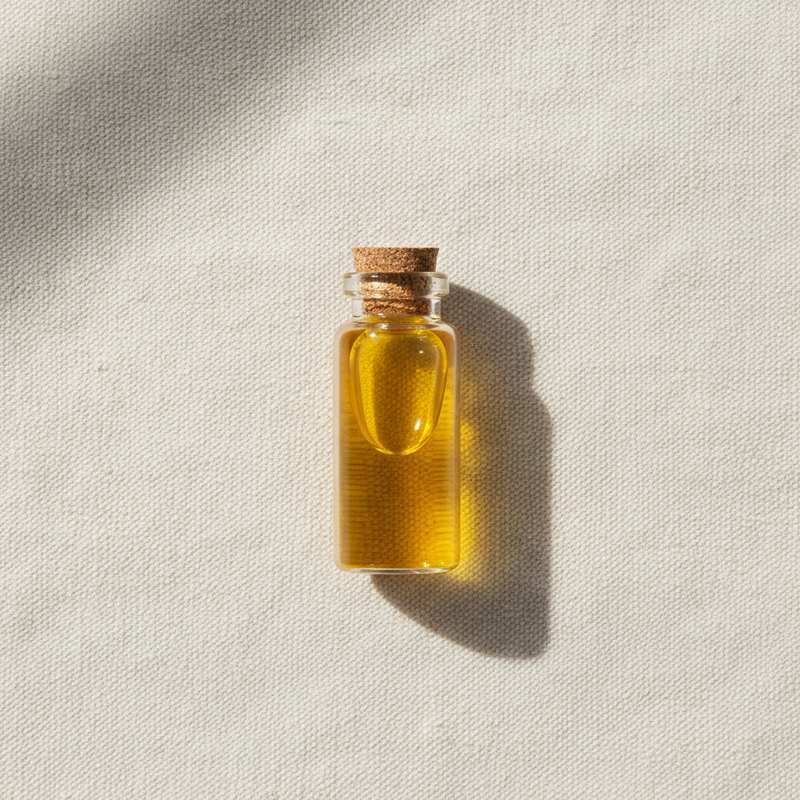
Pale yellow to amber oily liquid (oil grades) or pale yellow to brown free-flowing powder (spray-dried beadlets and CWS grades). Highly oxidation-sensitive; antioxidant-stabilized and packed under inert atmosphere.
We supply food-grade, feed-grade, and pharmaceutical-grade Retinyl Palmitate from manufacturers in China holding ISO, Halal, Kosher and other certifications relevant to the product and production.
Common series grades include Retinyl Palmitate Oil 1.0 MIU/g (standard oil concentrate for food and supplement use), 1.7 MIU/g (higher-potency oil), Vitamin A Palmitate 250 CWS (250,000 IU/g cold-water-soluble powder), 500 CWS (500,000 IU/g powder for dry blends), and pharmaceutical-grade variants meeting BP/USP/EP monographs.
Bulk and reduced-MOQ shipments. Batch-level COA covering potency, peroxide value, related substances, heavy metals, and microbiology.
Introduction
Retinyl Palmitate is the palmitic acid ester of retinol, one of the two dominant commercial forms of Vitamin A alongside Retinyl Acetate. The palmitate ester is preferred for food fortification because the longer fatty acid chain produces a milder taste and lower volatility, making it more suitable for incorporation into dairy products, edible oils, and cosmetic preparations.
Industrial production proceeds by chemical synthesis from beta-ionone through retinol, followed by esterification with palmitic acid to yield retinyl palmitate. The oil concentrate is then optionally spray-dried with carrier and stabilizer to produce cold-water-soluble powder formats.
Listed in BP, USP, EP, and JP pharmacopoeias. Recognized as a permitted food ingredient by the U.S. FDA and the European Food Safety Authority. The Series listing groups the available potency and format variants under one product family to simplify ordering for buyers who need multiple grades.
Strategic positioning within the Vitamin A category favors palmitate for food fortification and skincare (milder profile) and acetate for animal feed (lower cost). The Series structure exists because buyers in food and pharmaceutical applications often source multiple potency levels and physical formats from the same manufacturer.
Where it is used
- Margarine and edible-oil fortification; the preferred Vitamin A form for dairy and food applications due to its milder taste profile
- Dairy fortification: fortified milk, yogurt, and dairy beverages
- Dietary supplements: multivitamin and prenatal formulations
- Pharmaceutical applications: soft gels, tablets, capsules, topical preparations
- Infant formula fortification
- Cosmetic and skincare: retinyl palmitate is the gentlest retinoid for daily skincare and anti-aging products
- Fortified breakfast cereals, breads, and rice in mandatory-fortification markets
- Public health programs in vitamin-A-deficient regions
Technical data
| Item | Specification |
|---|---|
| Appearance | Pale yellow to amber oily liquid or yellow to brown free-flowing powder |
| Potency (IU/g) | 250,000 (CWS) to 1,700,000 (oil), grade dependent |
| Specific rotation (oil) | +62° to +72° |
| Acid value | ≤ 2.0 |
| Peroxide value | ≤ 10 meq/kg |
| Heavy metals (as Pb) | ≤ 10 mg/kg |
| Arsenic | ≤ 3 mg/kg |
| Loss on drying (CWS grades) | ≤ 8.0% |
| Available formats | Oil 1.0 MIU/g, Oil 1.7 MIU/g, 250 CWS, 500 CWS |
Related ingredients
Ready to discuss business?
Send us your spec and requirement. We will respond with availability and pricing within 24 hours.