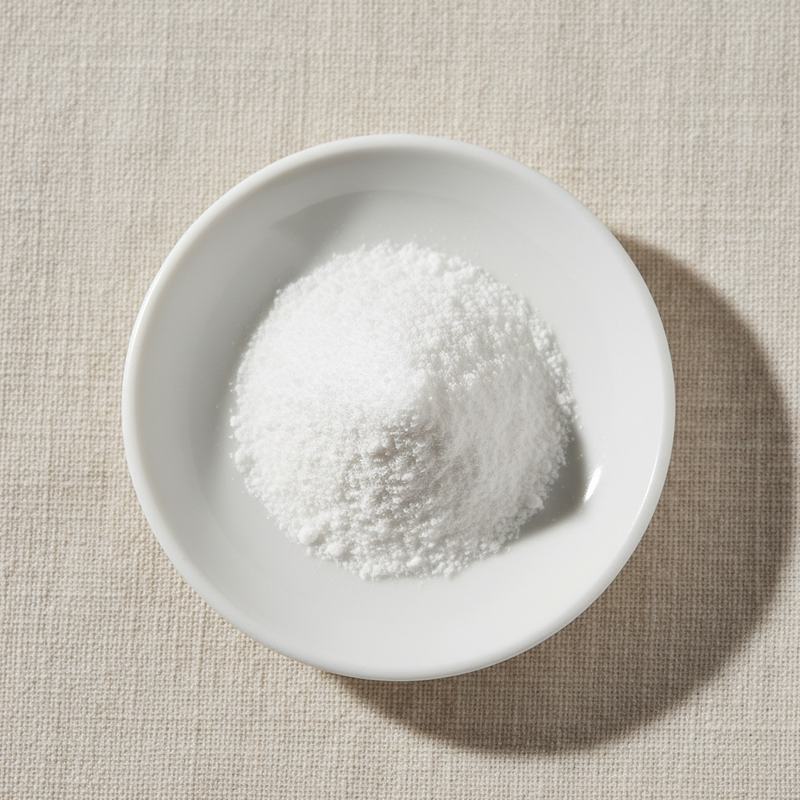
Description
The dominant commercial form of Vitamin B6, an essential water-soluble vitamin involved in over 100 enzymatic reactions in amino acid, glucose, and lipid metabolism. The hydrochloride salt provides stability and water solubility superior to the free base.
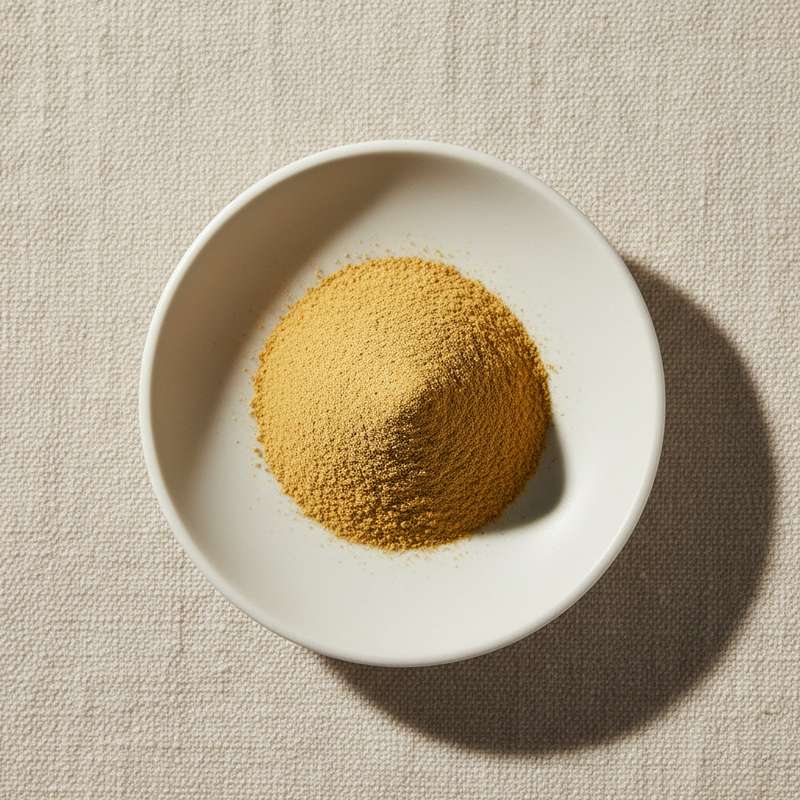
White to almost white crystalline powder. Highly water-soluble. Used at 1 to 2 mg per day for adults in human supplements and at higher doses in clinical and animal-feed applications.
We supply food-grade, feed-grade, and pharmaceutical-grade Pyridoxine HCl from manufacturers in China holding ISO, Halal, Kosher and other certifications relevant to the product and production.
Common market grades include Standard Feed Grade, Food Grade (FCC compliant), Pharmaceutical Grade meeting BP/USP/EP/JP specifications, and Coated Pyridoxine HCl for stability in fortified foods.
Bulk and reduced-MOQ shipments. Batch-level COA covering assay, melting point, chloride content, heavy metals, and microbiology.
Introduction
Vitamin B6 was characterized in 1934 and isolated in 1938. The vitamin exists in three interconvertible forms (pyridoxine, pyridoxal, pyridoxamine), all biologically active but with pyridoxine being the dominant commercial form due to its stability advantage as the hydrochloride salt.
Industrial production proceeds by chemical synthesis from cyanoacetamide through a multi-step pathway yielding pyridoxine free base, which is then converted to the hydrochloride salt for stability and crystallization.
Regulated as a permitted food ingredient by the U.S. FDA, the European Food Safety Authority, and equivalent regulators worldwide. Listed in BP, USP, EP, and JP pharmacopoeias. Recommended Dietary Allowance is 1.3 to 1.7 mg per day for adults.
The vitamin functions as the precursor to pyridoxal 5'-phosphate (PLP), the active coenzyme form involved in essentially all amino acid metabolism reactions and many neurotransmitter biosynthesis pathways. Deficiency produces neurological symptoms including peripheral neuropathy.
Strategic role across applications spans the full range of vitamin uses: feed fortification (the highest-volume application), human supplements (highest unit value), pharmaceutical clinical uses (pregnancy nausea, isoniazid antagonism), and food fortification (cereals and breads in many regulated markets).
Where it is used
- Dietary supplements: B-complex and multivitamin formulations
- Pharmaceutical applications: tablets, capsules, oral solutions, and injectable preparations
- Infant formula and clinical nutrition
- Animal feed: poultry, swine, aquaculture, and dairy fortification
- Fortified breakfast cereals, breads, and pastas
- Sports nutrition and protein supplement applications
- Premix manufacturing for vitamin and mineral fortification
- Specific clinical applications: pregnancy-related nausea management and neuropathy treatment
Technical data
| Item | Specification |
|---|---|
| Appearance | White to almost white crystalline powder |
| Assay (dry basis) | 98.0% to 101.0% |
| Loss on drying | ≤ 0.5% |
| Residue on ignition | ≤ 0.1% |
| pH (5% solution) | 2.5 to 3.5 |
| Chloride content | 17.0% to 18.0% |
| Heavy metals (as Pb) | ≤ 10 mg/kg |
| Arsenic | ≤ 3 mg/kg |
| Particle size | Per customer specification |
Related ingredients
Ready to discuss business?
Send us your spec and requirement. We will respond with availability and pricing within 24 hours.