Description
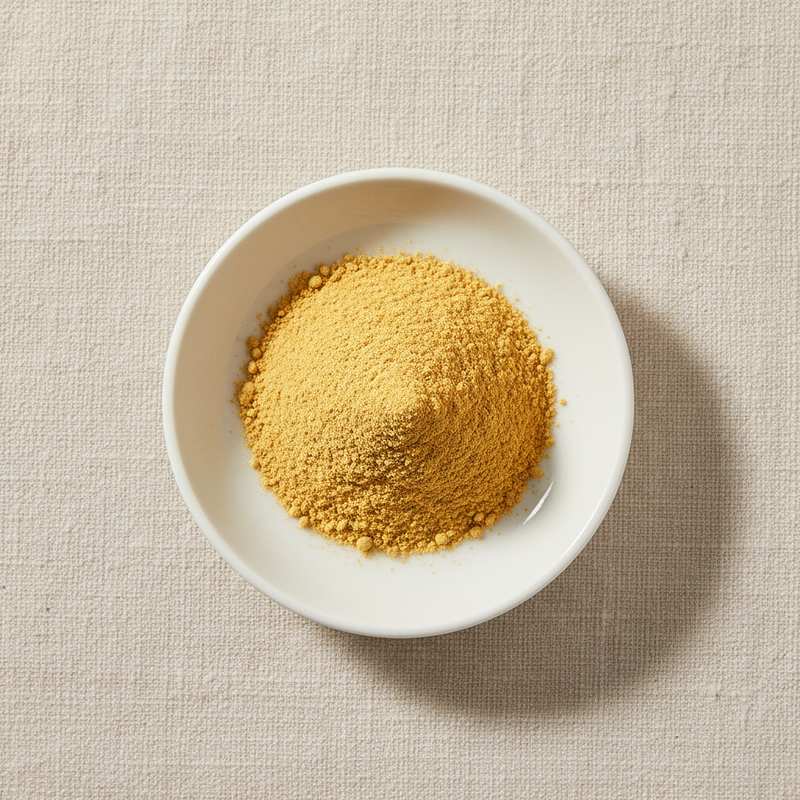
Vitamin B2, an essential water-soluble vitamin and yellow food colorant. Functions as the precursor to FAD and FMN coenzymes essential to cellular energy metabolism. Recognized food colorant in addition to its nutrition role.
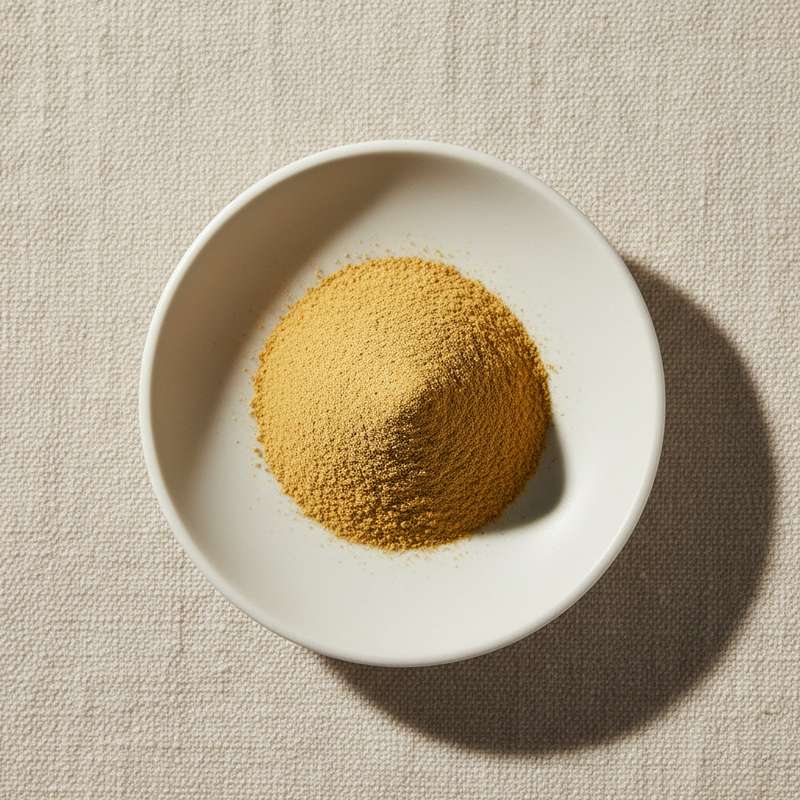
Yellow to orange crystalline powder. Light-sensitive and oxidation-sensitive; requires sealed light-protective packaging.
We supply food-grade, feed-grade, and pharmaceutical-grade Riboflavin from manufacturers in China holding ISO, Halal, Kosher and other certifications relevant to the product and production.
Common market grades include 80 percent Feed Grade, 96 percent Food Grade, USP/BP/EP Pharmaceutical Grade, Riboflavin 5'-Phosphate Sodium (water-soluble form, E101ii), and Coated Riboflavin for stability in fortified foods.
Bulk and reduced-MOQ shipments. Batch-level COA covering assay, specific rotation, related substances, heavy metals, and microbiology.
Introduction
Riboflavin was first isolated from milk whey in 1879, with structure and function elucidated through the 1930s. The compound functions as the precursor to flavin mononucleotide (FMN) and flavin adenine dinucleotide (FAD), essential coenzymes for oxidation-reduction reactions in cellular metabolism.
Modern industrial production proceeds by fermentation using Ashbya gossypii or recombinant Bacillus subtilis, which has displaced earlier chemical synthesis routes due to better yields and lower costs. The fermentation broth is purified by crystallization to yield food-grade and pharmaceutical-grade material.
Regulated as E101 in the EU (covering both Riboflavin and Riboflavin 5'-phosphate sodium), classified as Generally Recognized as Safe by the U.S. FDA, listed in BP, USP, EP, and JP pharmacopoeias, and approved by JECFA with an Acceptable Daily Intake of 0.5 mg per kg body weight.
The molecule's dual function as vitamin and colorant is unique among the B vitamins. The intense yellow color is also the source of the bright yellow urine that follows high B-vitamin intake, a normal excretion phenomenon rather than a sign of any pathology.
Strategic positioning splits between feed fortification (the dominant volume application), human supplements (highest unit value), and food colorant use (a smaller but specialized application in pasta, dessert mixes, and beverages).
Where it is used
- Animal feed fortification: poultry, swine, aquaculture, and dairy cattle
- Dietary supplements: B-complex and multivitamin formulations
- Pharmaceutical applications: tablets, capsules, and oral solutions
- Yellow food colorant under E101: pasta, salad dressings, sherbet, and dessert mixes
- Infant formula and clinical nutrition formulations
- Fortified breakfast cereals and breads
- Energy drinks and functional beverages (the source of the characteristic bright yellow color)
- Premix manufacturing for vitamin and mineral fortification
Technical data
| Item | Specification |
|---|---|
| Appearance | Yellow to orange crystalline powder |
| Assay (dry basis) | 98.0% to 102.0% |
| Specific rotation | −115° to −135° |
| Loss on drying | ≤ 1.5% |
| Residue on ignition | ≤ 0.3% |
| Heavy metals (as Pb) | ≤ 10 mg/kg |
| Arsenic | ≤ 3 mg/kg |
| Lumiflavin | Passes test |
| Particle size | Per customer specification |
Related ingredients
Ready to discuss business?
Send us your spec and requirement. We will respond with availability and pricing within 24 hours.