Description
The synthetic stable form of Vitamin B9, used for food fortification and dietary supplement applications. Essential for DNA synthesis, red blood cell formation, and neural tube development in fetal growth.
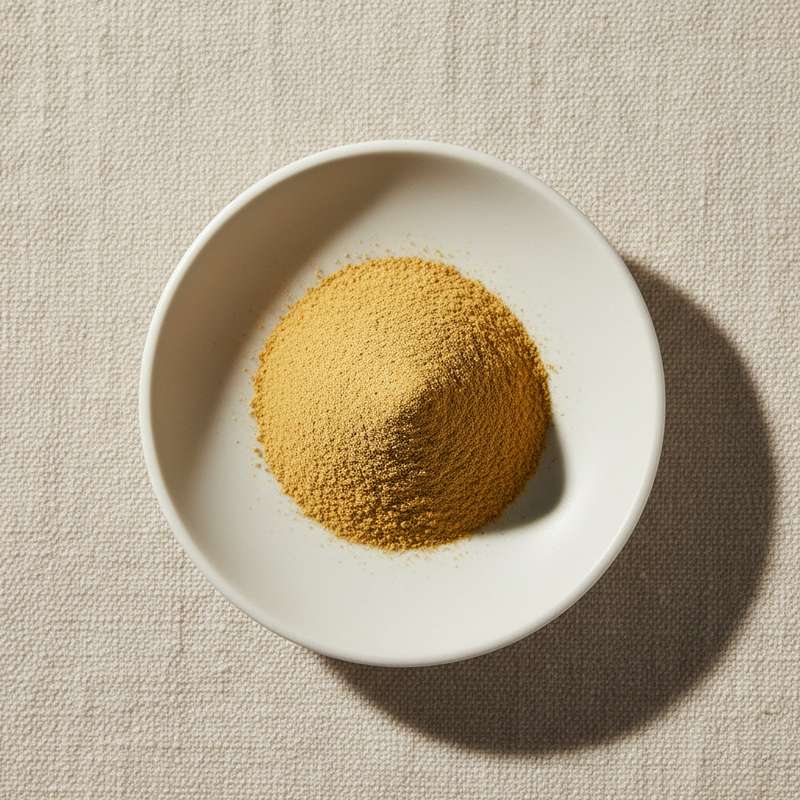
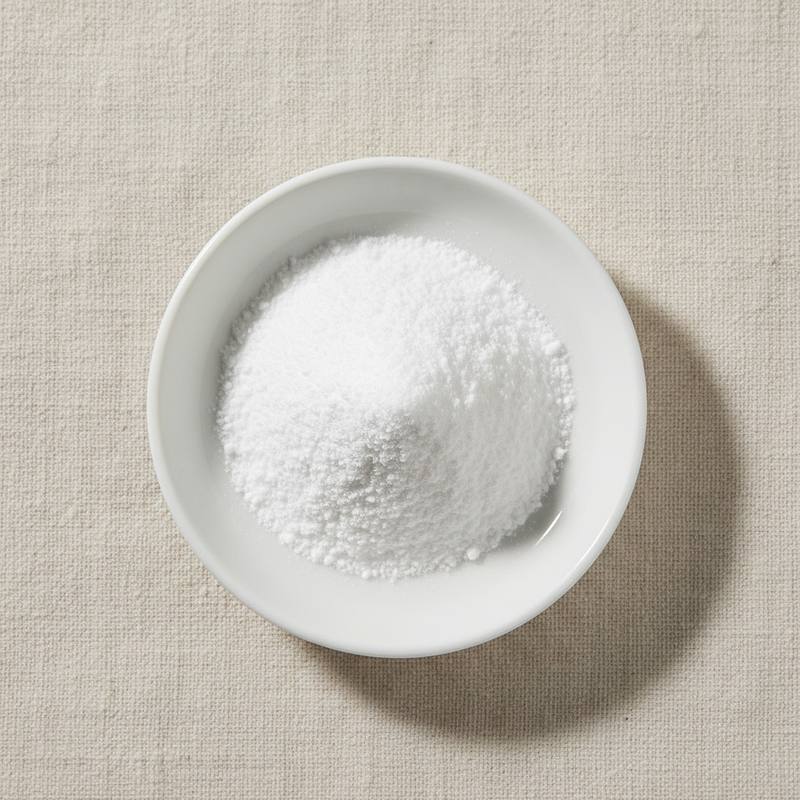
Yellow to orange-yellow crystalline powder. Light- and oxygen-sensitive; requires sealed packaging and protected storage.
We supply food-grade and pharmaceutical-grade Folic Acid from manufacturers in China holding ISO, Halal, Kosher and other certifications relevant to the product and production.
Common market grades include Food Grade (FCC compliant), Pharmaceutical Grade meeting BP/USP/EP/JP specifications, Direct-Compression (DC) Grade for pharmaceutical tableting, and Coated Folic Acid for stability in fortified foods.
Bulk and reduced-MOQ shipments. Batch-level COA covering assay, related substances, residue on ignition, heavy metals, and microbiology.
Introduction
Folic Acid was discovered through investigations into a nutritional anemia (the term 'folic' derives from Latin folium meaning leaf, reflecting the vitamin's abundance in leafy green vegetables). The vitamin was isolated and synthesized in 1945 and rapidly recognized as essential for prevention of megaloblastic anemia and neural tube defects.
Industrial production proceeds by chemical synthesis combining glutamic acid, p-aminobenzoic acid, and a pteridine intermediate. The synthetic form is more stable and better absorbed than the natural folate forms found in food.
Recognized as a permitted food ingredient by the U.S. FDA, the European Food Safety Authority, and equivalent regulators worldwide. Listed in BP, USP, EP, and JP pharmacopoeias. Recommended Dietary Allowance is 400 micrograms per day for adults, increasing to 600 micrograms during pregnancy.
Mandatory folic acid fortification of flour was implemented in the United States in 1998 and has since been adopted in over 80 countries. The resulting reduction in neural tube defects (spina bifida, anencephaly) by 30 to 70 percent represents one of the most successful public health nutrition interventions of the modern era.
Strategic positioning combines mandatory food fortification (the volume driver), prenatal supplements (highest unit value and demonstrated clinical importance), and broad multivitamin and pharmaceutical applications. China dominates global production with substantial export volumes.
Where it is used
- Fortified flour, bread, and cereal products; mandatory fortification in over 80 countries to prevent neural tube defects
- Prenatal vitamins and pregnancy supplements; the highest-priority application
- Dietary supplements: multivitamin formulations and B-complex products
- Pharmaceutical applications: tablets, capsules, injectable preparations, methotrexate antagonist therapy
- Clinical nutrition formulas and parenteral nutrition
- Infant formula fortification
- Animal feed: poultry and swine breeding diets
- Sports nutrition and recovery formulations
Technical data
| Item | Specification |
|---|---|
| Appearance | Yellow to orange-yellow crystalline powder |
| Assay (dry basis) | 97.0% to 102.0% |
| Loss on drying | ≤ 8.5% |
| Residue on ignition | ≤ 0.3% |
| Related substances | ≤ 1.5% |
| Heavy metals (as Pb) | ≤ 10 mg/kg |
| Arsenic | ≤ 3 mg/kg |
| Free folic acid (as anhydrous) | 96.0% to 102.0% |
| Particle size | Per customer specification |
Related ingredients
Ready to discuss business?
Send us your spec and requirement. We will respond with availability and pricing within 24 hours.