Description
The biologically active enantiomer of biotin (vitamin B7 or vitamin H), an essential water-soluble vitamin involved in carbohydrate, fat, and protein metabolism. The dominant commercial form for human nutrition, animal feed, and pharmaceutical applications.
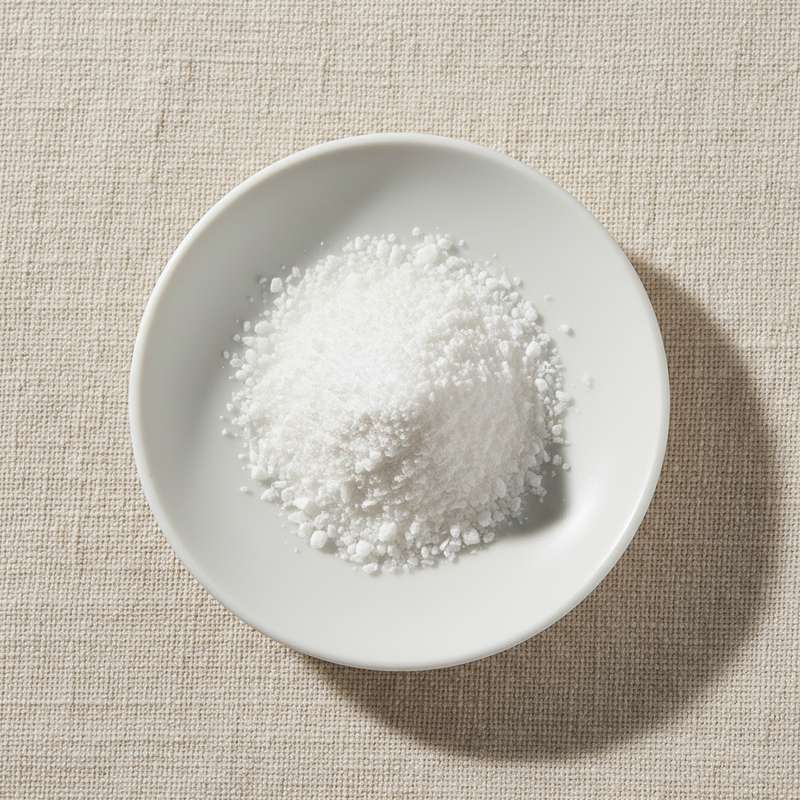
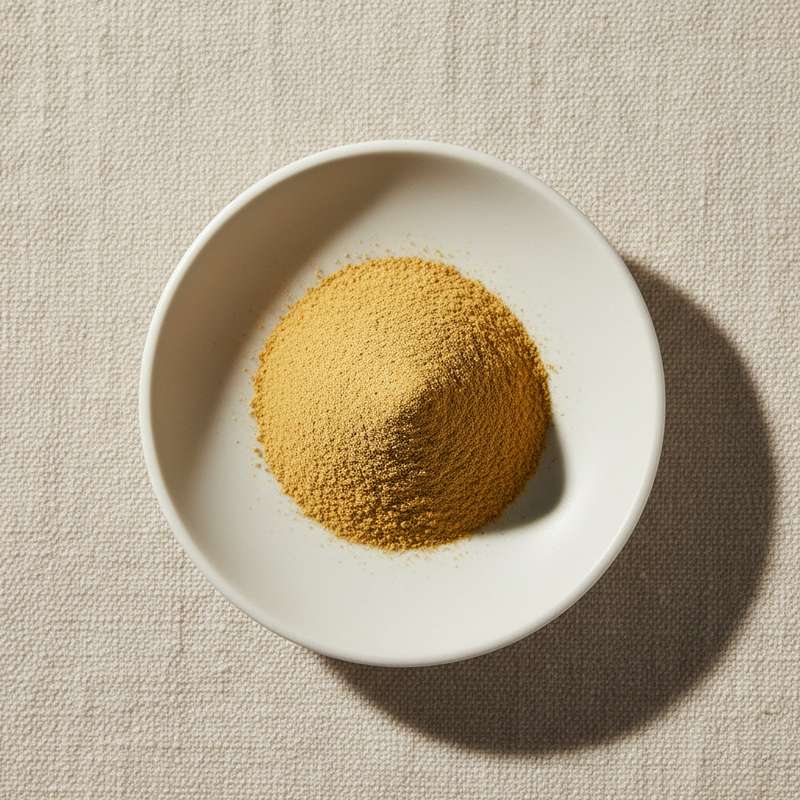
White to off-white crystalline powder. Used at very low doses (typically 30 to 300 micrograms per serving in human supplements, higher in animal feed).
We supply food-grade, feed-grade, and pharmaceutical-grade D-Biotin from manufacturers in China holding ISO, Halal, Kosher and other certifications relevant to the product and production.
Common market grades include 1 percent Feed Grade (dispersed in carrier for animal feed), 2 percent Feed Grade (higher-potency feed format), Pure D-Biotin 98 percent for human supplements and pharmaceutical applications, and Pharmaceutical Grade meeting USP/BP/EP specifications.
Bulk and reduced-MOQ shipments. Batch-level COA covering assay, specific rotation, residue on ignition, heavy metals, and microbiology.
Introduction
Biotin was discovered through a series of investigations in the 1930s and chemically characterized in 1942. The vitamin functions as an essential coenzyme for four carboxylase enzymes involved in fatty acid synthesis, gluconeogenesis, and amino acid metabolism.
Industrial production proceeds by chemical synthesis from L-cystine through a complex 11-step asymmetric synthesis, yielding the natural D-enantiomer specifically. China produces the majority of global commercial biotin supply.
Recognized as a permitted food ingredient and vitamin supplement by the U.S. FDA, the European Food Safety Authority, and equivalent regulators worldwide. Listed in BP, USP, EP, and JP pharmacopoeias. Adequate Intake of 30 micrograms per day for adults.
Strategic dominance of feed applications reflects the much higher dosing required for animal nutrition (poultry diets require approximately 100 to 200 micrograms per kg feed, supplied as 1 to 2 percent feed-grade biotin premix) versus human nutrition (typical 30 to 100 microgram daily dose).
Human supplement positioning has expanded significantly since 2010, driven by hair, skin, and nail beauty claims. The clinical efficacy of biotin for these positioning claims in non-deficient individuals remains debated, but consumer demand has supported substantial market growth in the cosmetic-nutrition segment.
Where it is used
- Animal feed: poultry, swine, and aquaculture feed fortification; the dominant single use of commercial biotin globally
- Dietary supplements: hair, skin, and nail support products; multivitamin formulations
- Infant formula and clinical nutrition
- Pharmaceutical formulations: oral tablets, capsules, and chewable supplements
- Premix manufacturing for vitamin and mineral fortification blends
- Cosmetic and personal-care products: hair-care formulations and skincare
- Fortified beverages and functional foods
- Sports nutrition and protein supplement applications
Technical data
| Item | Specification |
|---|---|
| Appearance | White to off-white crystalline powder |
| Assay (dry basis) | 97.5% to 100.5% |
| Specific rotation | +89° to +93° |
| Loss on drying | ≤ 0.5% |
| Residue on ignition | ≤ 0.1% |
| Heavy metals (as Pb) | ≤ 10 mg/kg |
| Melting point | 231 °C to 234 °C |
| Particle size | Per customer specification |
Related ingredients
Ready to discuss business?
Send us your spec and requirement. We will respond with availability and pricing within 24 hours.