Description
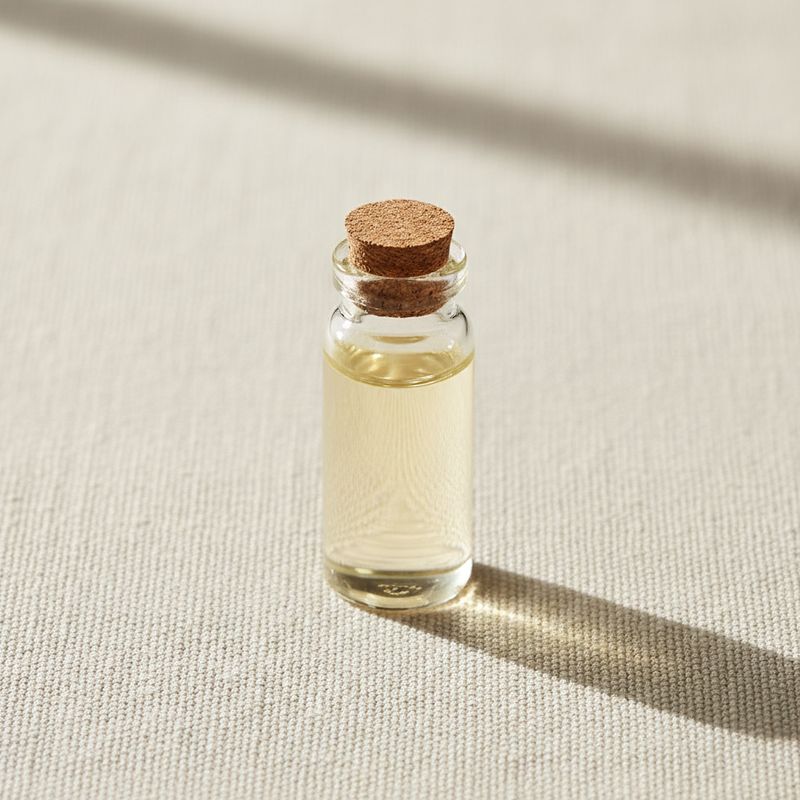
The palmitic acid ester of Retinol (Vitamin A), the dominant ester form for food fortification and cosmetic applications. Distinguished from Retinyl Acetate by milder taste profile and better stability in fat-containing food matrices.
Pale yellow to amber oily liquid. Highly oxidation-sensitive; supplied with antioxidant stabilization (typically tocopherol or BHT) and requires sealed protected packaging.
We supply food-grade and pharmaceutical-grade Retinyl Palmitate from manufacturers in China holding ISO, Halal, Kosher and other certifications relevant to the product and production.
Common market grades include Retinyl Palmitate 1.0 million IU/g Oil (the food-fortification workhorse), 1.7 million IU/g Oil (premium concentrated grade), Pharmaceutical Grade meeting BP/USP/EP/JP specifications, and BHT-stabilized variants for extended shelf-life applications.
Bulk and reduced-MOQ shipments. Batch-level COA covering potency (IU/g), specific rotation, acid value, peroxide value, heavy metals, and microbiology.
Introduction
Retinyl Palmitate is the palmitic acid ester of Vitamin A, the dominant ester form for food and cosmetic applications. The compound was first synthesized in the 1940s alongside the chemical characterization of Vitamin A and rapidly became preferred over the free retinol form due to superior stability.
Industrial production proceeds by esterification of all-trans retinol with palmitic acid under controlled conditions, followed by purification and standardization to defined potency. The compound is supplied with antioxidant stabilization to prevent oxidative degradation during storage and finished-product shelf life.
Regulated as a permitted food ingredient by the U.S. FDA, the European Food Safety Authority, and equivalent regulators worldwide. Listed in BP, USP, EP, and JP pharmacopoeias for both food and pharmaceutical applications.
The palmitate ester is preferred over the acetate ester for food fortification due to milder taste and better partition behavior in fat-containing food matrices. In animal feed applications the acetate ester dominates (catalog id 13027) due to lower cost; in human food and cosmetic applications the palmitate ester dominates due to sensory and stability advantages.
Cosmetic positioning has grown substantially since 2010, driven by anti-aging skincare claims for topical retinol products. Retinyl Palmitate is a milder and more shelf-stable alternative to retinol acid (tretinoin) in over-the-counter cosmetic formulations.
Where it is used
- Margarine and edible-oil fortification; the dominant Vitamin A form in this application globally
- Dairy fortification: fortified milk, yogurt, and dairy beverages
- Infant formula fortification (the preferred ester form for taste compatibility)
- Dietary supplements: multivitamin formulations and softgel capsules
- Cosmetic and skincare: retinol-positioned anti-aging serums and creams
- Pharmaceutical applications: tablets, soft gels, and topical formulations
- Fortified breakfast cereals and bakery products in regulated markets
- Public health programs in vitamin-A-deficient regions
Technical data
| Item | Specification |
|---|---|
| Appearance | Pale yellow to amber oily liquid |
| Potency | 1,000,000 to 1,700,000 IU/g |
| Specific rotation | +62° to +75° |
| Acid value | ≤ 2.0 |
| Peroxide value | ≤ 10 meq/kg |
| Heavy metals (as Pb) | ≤ 10 mg/kg |
| Arsenic | ≤ 3 mg/kg |
| Stabilizer | BHT or tocopherol |
Related ingredients
Ready to discuss business?
Send us your spec and requirement. We will respond with availability and pricing within 24 hours.