Description
The bacterial-source form of Vitamin K, distinct from plant-source Vitamin K1 (phylloquinone, catalog id 7905) and synthetic Vitamin K3 (menadione, catalog id 7897). Two principal commercial forms differ in side-chain length: MK-7 (the long-acting form, dominant in human supplements) and MK-4 (the short-acting form).
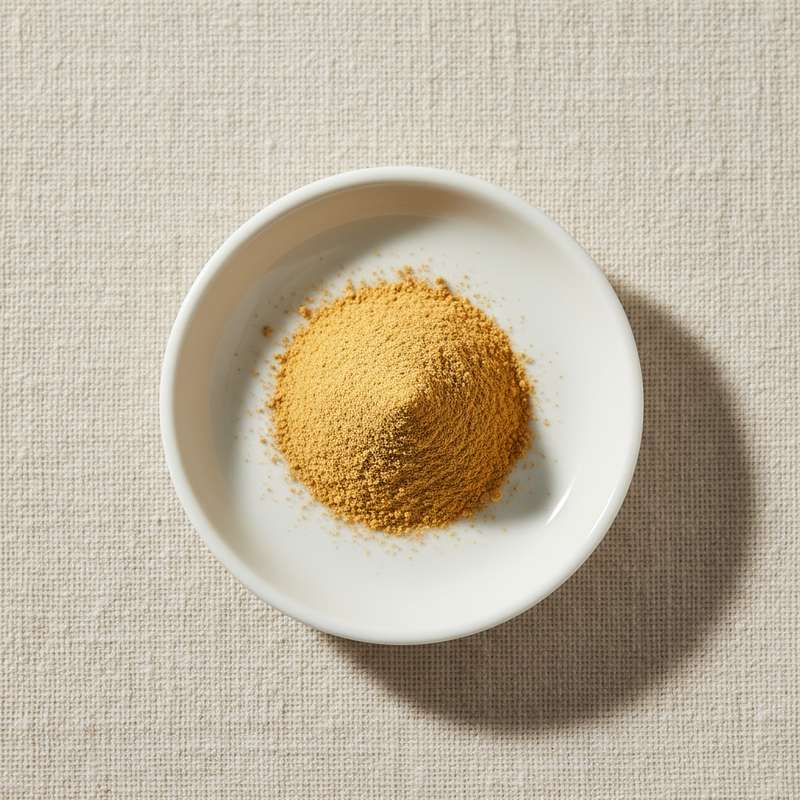
Yellow to orange crystalline powder (pure form) or oily liquid (oil concentrate) or free-flowing powder (CWS beadlets). Used at very low doses (45 to 180 micrograms per day in human supplements).
We supply food-grade and pharmaceutical-grade Vitamin K2 from manufacturers in China holding ISO, Halal, Kosher and other certifications relevant to the product and production. MK-7 from natto bacterial fermentation is the dominant commercial form.
Common market grades include MK-7 1.3 percent Powder (the dietary-supplement workhorse), MK-7 0.2 percent Oil (for softgel capsule manufacturing), MK-7 95 percent Pure Crystalline (for pharmaceutical use), MK-4 50 percent Powder (the alternative shorter-chain form), and pre-blended MK-7 with D3 systems for bone-health supplement applications.
Bulk and reduced-MOQ shipments. Batch-level COA covering MK-7 or MK-4 content, related menaquinones, particle size, peroxide value, heavy metals, and microbiology.
Introduction
Vitamin K2 was characterized as a distinct vitamin in the 1930s, with structural details emerging through the 1940s. The compound is produced by bacteria (the principal natural source is fermented foods like Japanese natto) and exists in multiple forms differing in side-chain length, designated MK-4 through MK-13.
Industrial production of MK-7 proceeds by submerged fermentation of Bacillus subtilis natto on plant-derived substrates, followed by extraction and purification. MK-4 is typically produced by chemical synthesis from menadione.
Recognized as a permitted food ingredient by the U.S. FDA (GRAS for MK-7 and MK-4), the European Food Safety Authority (Novel Food approval for MK-7 in 2009), and equivalent regulators worldwide. Adequate Intake of Vitamin K is 90 to 120 micrograms per day (combined K1 and K2).
The molecule's research-driven commercial growth since 2010 has been one of the most significant in the supplement industry, driven by clinical evidence that K2 specifically (versus K1) activates osteocalcin and matrix Gla protein, supporting bone mineralization and inhibiting arterial calcification. The clinical evidence is strongest for MK-7 due to its longer half-life and superior tissue penetration.
Strategic positioning targets bone-health and cardiovascular-health supplement applications specifically, often co-formulated with Vitamin D3 for synergistic bone-health claims. MK-7 dominates the human-supplement segment; MK-4 serves cost-driven and pharmaceutical research applications.
Where it is used
- Bone-health dietary supplements: standalone K2 and K2-with-D3 combinations; the fastest-growing supplement segment in cardiovascular and bone health
- Cardiovascular-health supplements positioned for arterial calcification prevention
- Pharmaceutical applications including bone-health and cardiovascular therapy research
- Premium fortified foods: bone-health-positioned plant milks and functional dairy
- Infant formula in markets where regulatory approval applies
- Functional gummies and chewable supplement formats
- Sports nutrition and longevity-positioned supplement formulations
- Veterinary applications for bone-health in companion animals
Technical data
| Item | Specification |
|---|---|
| Appearance | Yellow to orange crystalline powder or oily liquid |
| MK-7 content | 0.2% (oil) / 1.3% (powder) / ≥ 95% (pure crystalline) |
| MK-4 content (when applicable) | 50% / ≥ 95% |
| Loss on drying | ≤ 5.0% |
| Peroxide value | ≤ 10 meq/kg |
| Heavy metals (as Pb) | ≤ 10 mg/kg |
| Source | Bacillus subtilis natto fermentation (MK-7) or chemical synthesis (MK-4) |
| Available forms | 1.3% Powder, 0.2% Oil, 95% Pure, with D3 blends |
Related ingredients
Ready to discuss business?
Send us your spec and requirement. We will respond with availability and pricing within 24 hours.