Description
The synthetic provitamin form of Vitamin K, dominant in animal feed applications globally. Distinct from Vitamin K1 (phylloquinone from plants) and Vitamin K2 (menaquinone from bacteria) by being a synthetic provitamin that animals convert to active vitamin K2 in the liver.
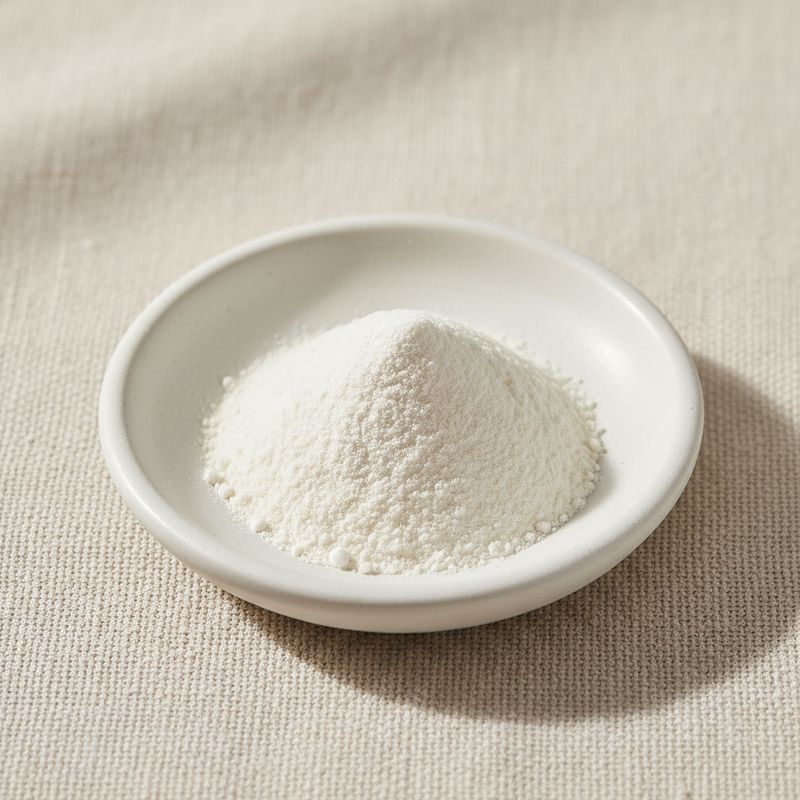
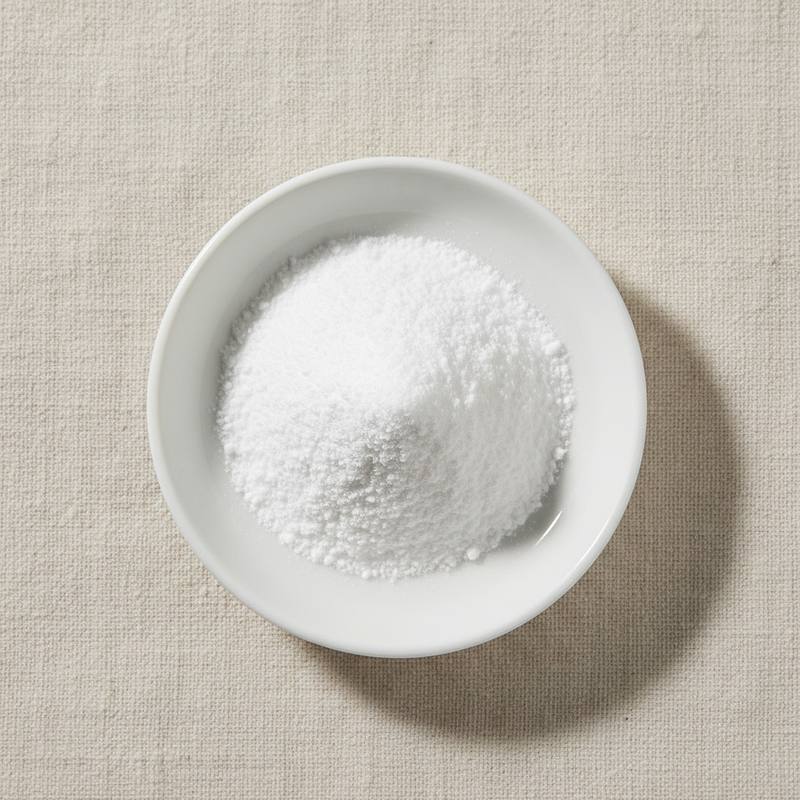
Yellow crystalline powder. Light-sensitive; requires protected packaging. Used at very low doses (parts per million in feed).
We supply feed-grade Menadione in two principal commercial forms: Menadione Sodium Bisulfite (MSB, the dominant feed-grade form, water-soluble) and Menadione Nicotinamide Bisulfite (MNB, premium feed-grade with enhanced stability).
Common market grades include MSB 50 percent or 96 percent purity, MNB 95 percent purity, and pre-blended Vitamin K3 with carrier systems for direct feed addition.
Bulk and reduced-MOQ shipments. Batch-level COA covering Menadione assay, sodium bisulfite content, loss on drying, heavy metals, and microbiology.
Introduction
Menadione (Vitamin K3) is a synthetic provitamin form of Vitamin K, characterized in the 1930s and brought to commercial scale specifically for animal feed applications. The compound is converted by animal liver enzymes to active Vitamin K2 (menaquinone-4), providing the essential clotting-factor cofactor activity at lower cost than the natural Vitamin K1.
Industrial production proceeds by oxidation of 2-methylnaphthalene with chromic acid or hydrogen peroxide under catalysis, followed by sulfite addition to yield the water-soluble bisulfite forms (MSB or MNB) that are practical for feed use.
Regulatory status is feed-only in most major markets: U.S. FDA permits Menadione in animal feed but not in human food or supplements; EU permits in feed under specified conditions; JECFA-approved for animal use only. The restriction reflects safety concerns at high doses that have limited human use since the 1960s.
The molecule's selective animal-feed positioning is driven by the cost differential with Vitamin K1: Menadione provides essentially equivalent biological activity in animals at approximately 10 percent of the cost of equivalent Vitamin K1. For human applications, Vitamin K1 (catalog id 7905) and Vitamin K2 are the appropriate forms.
Strategic positioning is feed nutrition exclusively, with poultry being the dominant single use globally. Vitamin K is essential for proper blood clotting, and Vitamin K deficiency in young poultry produces internal hemorrhage that limits growth and survival.
Where it is used
- Animal feed: poultry (the dominant single application), swine, aquaculture, and pet food
- Pet food premix manufacturing
- Veterinary pharmaceutical formulations
- Animal-feed mineral and vitamin premix manufacturing
- Specific animal-nutrition research applications
- Industrial chemistry applications: organic synthesis intermediate
Technical data
| Item | Specification |
|---|---|
| Appearance | Yellow crystalline powder |
| Menadione content (MSB, dry basis) | 50.0% to 51.0% (standard) / ≥ 96.0% (high-purity) |
| Sodium bisulfite content | 30.0% to 33.0% |
| Loss on drying | ≤ 1.0% |
| pH (5% solution) | 4.0 to 5.5 |
| Heavy metals (as Pb) | ≤ 10 mg/kg |
| Arsenic | ≤ 3 mg/kg |
| Particle size | Per customer specification |
Related ingredients
Ready to discuss business?
Send us your spec and requirement. We will respond with availability and pricing within 24 hours.