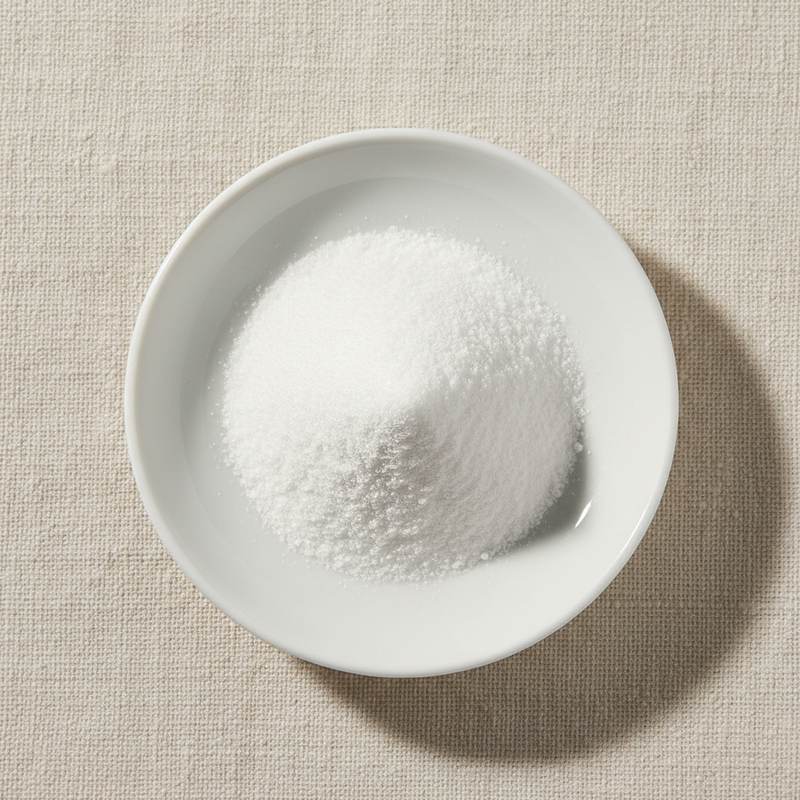
Description
A regulated group of three sodium phosphate salts: Monosodium Phosphate (E339(i), NaH2PO4), Disodium Phosphate (E339(ii), Na2HPO4), and Trisodium Phosphate (E339(iii), Na3PO4). Together the three salts provide a graduated pH buffering range from acidic to strongly alkaline and serve as the workhorse phosphate sources in food, beverage, and pharmaceutical applications.
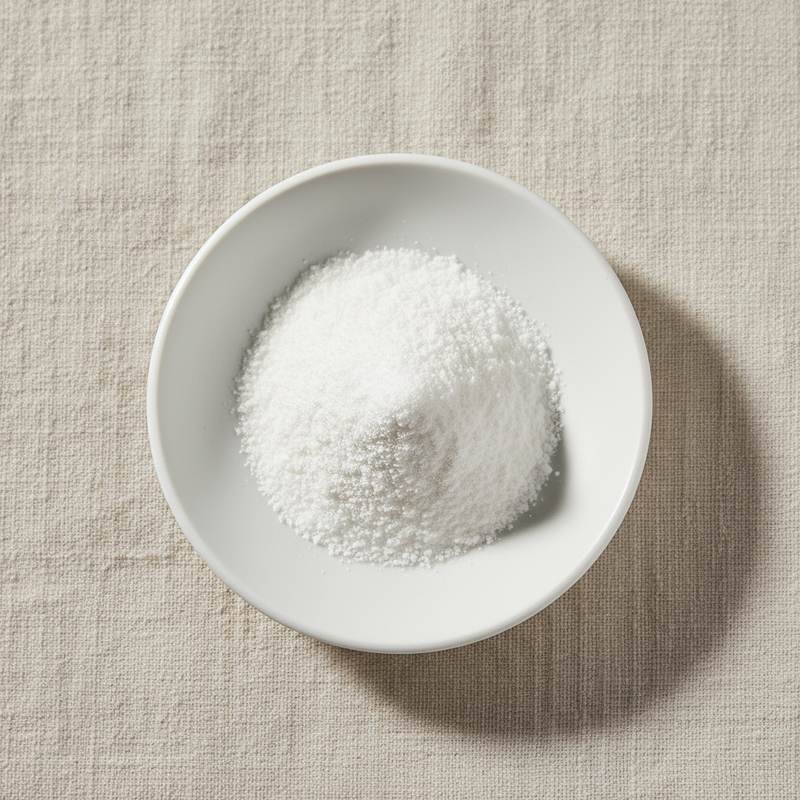
White odorless free-flowing crystalline powder or granules. Freely soluble in water; pH of 1 percent solution ranges from approximately 4.5 (Monosodium) to 9.0 (Disodium) to 12.0 (Trisodium), defining the buffering role of each species.
We supply food-grade and pharmaceutical-grade Sodium Phosphates from manufacturers in China holding ISO, FSSC 22000, Halal, Kosher, and other certifications relevant to the product and production.
Common market grades include Anhydrous and Hydrated forms of each species, USP/EP/JP/BP Pharmaceutical Grade, Granulated and Powder grades for tableting and dry-blending, and pre-blended Sodium Phosphate buffer systems supplied to target pH for specific finished-product use.
Bulk and reduced-MOQ shipments. Batch-level COA covering assay, phosphorus content, sodium content, fluoride, heavy metals, and microbiology.
Introduction
Phosphorus is the second most abundant mineral in the body after calcium and is deposited largely as hydroxyapatite in bone alongside calcium. Beyond skeletal function, phosphorus is required for ATP and nucleic acid synthesis, cellular membrane structure (phospholipids), and intracellular pH buffering. Daily requirement is approximately 700 mg in adults; most diets supply more than enough, and the formulation interest in Sodium Phosphates is largely functional rather than nutritional.
Industrial Sodium Phosphates are produced by neutralization of food-grade phosphoric acid with sodium hydroxide, sodium carbonate, or sodium bicarbonate under controlled stoichiometry to yield the mono-, di-, or trisodium species. Spray drying or crystallization yields anhydrous or hydrated forms supplied to defined specifications.
Regulated as E339(i), E339(ii), and E339(iii) in the EU, classified as Generally Recognized as Safe by the U.S. FDA under 21 CFR 182.1778 and related sections, listed in USP, EP, JP, and BP pharmacopoeias, and approved by JECFA under a group Maximum Tolerable Daily Intake of 70 mg/kg body weight expressed as phosphorus from all food additive sources, established to address total phosphate intake across modern diets.
The three salts in the group serve different functional roles. Monosodium Phosphate (pH 4.5) is a chemical leavening acid in bakery and a buffer in acidic foods. Disodium Phosphate (pH 9.0) is the workhorse emulsifying salt in processed cheese and a phosphorus fortifier in breakfast cereals. Trisodium Phosphate (pH 12.0) is a strong alkaline cleaner, a meat-curing assistant, and a high-alkalinity buffer. In many formulations the three are blended to deliver a target pH and buffering capacity.
The strategic position is one of structural irreplaceability in major food categories: the processed-cheese, cured-meat, and chemical-leavening systems built around Sodium Phosphates have no economically equivalent alternative. Premium pharmaceutical and supplement applications add a smaller but growing segment built around buffer-system manufacturing for injectables, oral electrolyte solutions, and clinical nutrition.
Where it is used
- pH buffering and acidity regulation in evaporated milk, cheese, processed cheese, and dairy beverages
- Emulsifying salts in processed-cheese manufacturing (the Sodium Phosphates group is the foundation of this category)
- Cured-meat and processed-meat moisture-retention, color, and texture management
- Phosphorus fortification of breakfast cereals, beverages, and meal replacements
- Pharmaceutical buffer systems in oral and injectable formulations
- Pharmaceutical osmotic laxative formulations (Monosodium and Disodium Phosphate)
- Bakery leavening systems (Monosodium Phosphate as a chemical leavening acid)
- Sequestrant and pH stabilizer in canned vegetables, fruits, and seafood
- Dishwashing detergent builder (industrial grades; food-grade variants supplied for water-contact food equipment)
- Animal feed phosphorus source and pH buffer
Technical data
| Item | Specification |
|---|---|
| Appearance | White odorless free-flowing crystalline powder or granules |
| Assay (dry basis) | ≥ 98.0% (each species) |
| Phosphorus content (as P) | 22.0% to 26.0% (species-dependent) |
| Sodium content | 16.0% to 42.0% (species-dependent) |
| pH (1% solution) | 4.0 to 4.9 (Mono), 8.5 to 9.5 (Di), 11.5 to 12.5 (Tri) |
| Loss on drying or ignition | ≤ specification per species and hydration |
| Fluoride | ≤ 10 mg/kg |
| Insoluble matter | ≤ 0.2% |
| Heavy metals (as Pb) | ≤ 3 mg/kg |
| Arsenic | ≤ 2 mg/kg |
| Total plate count | ≤ 1000 CFU/g |
| Particle size | Per customer specification |
Related ingredients
Ready to discuss business?
Send us your spec and requirement. We will respond with availability and pricing within 24 hours.