Description
The calcium salt of lactic acid, supplying approximately 13 percent elemental calcium with high water solubility and a mild, slightly buttery taste. The form of choice in dairy, bakery, and functional-beverage applications where carbonate or phosphate would compromise sensory profile.
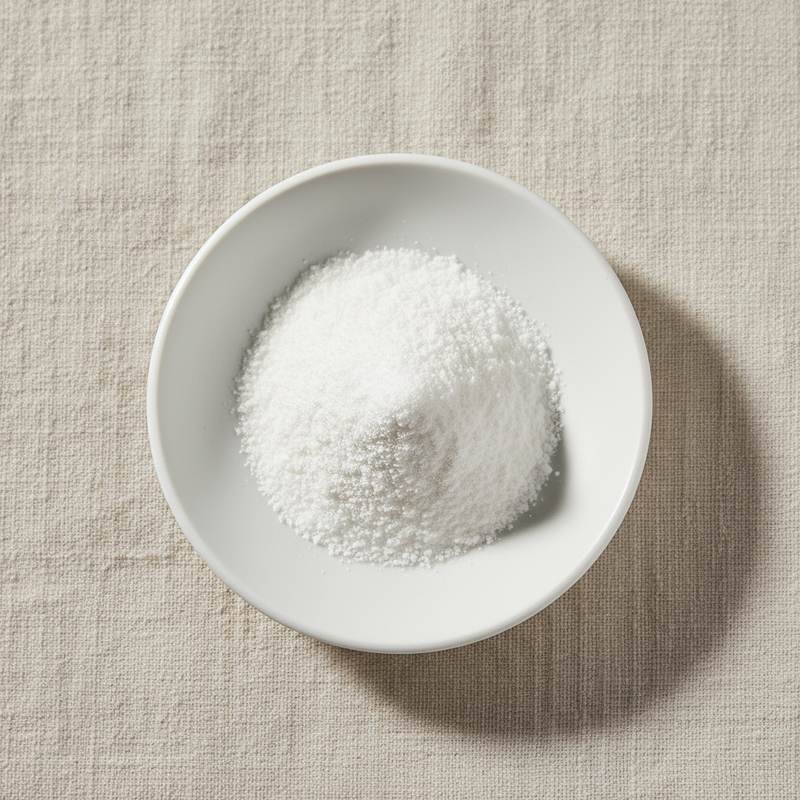
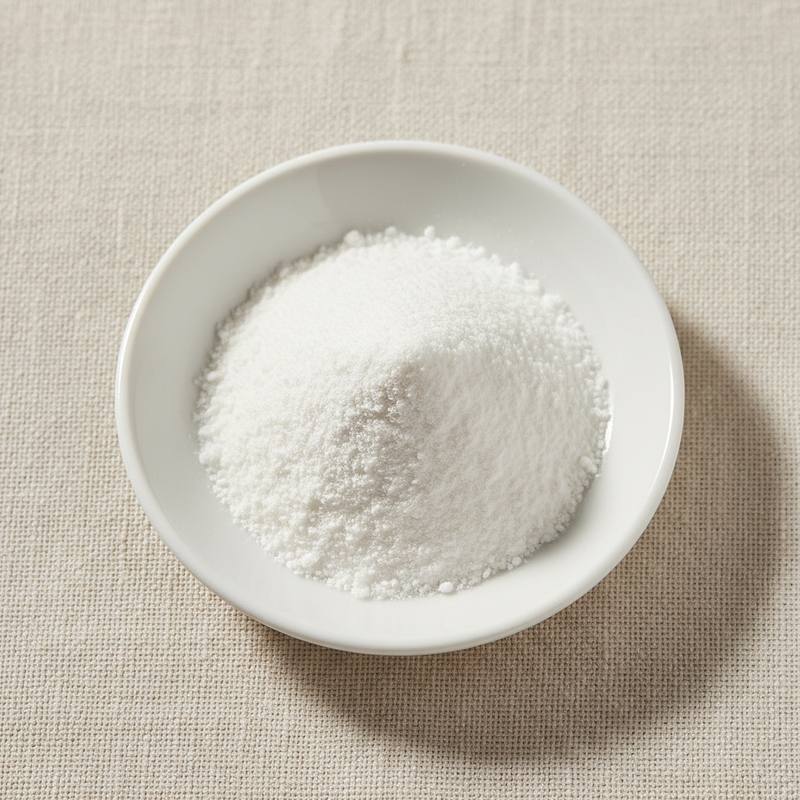
White odorless free-flowing powder or granules. Available in anhydrous and pentahydrate forms; the pentahydrate is the dominant commercial format.
We supply food-grade and pharmaceutical-grade Calcium Lactate from manufacturers in China holding ISO, FSSC 22000, Halal, Kosher, and other certifications relevant to the product and production.
Common market grades include Standard Food Grade (pentahydrate), Anhydrous Food Grade for low-moisture formulations, USP/EP/JP/BP Pharmaceutical Grade, and Calcium Lactate Gluconate, the high-solubility double-salt used in fortified clear beverages and effervescent products. Fermentation-derived L(+) lactic acid feedstocks deliver the natural isomer used in food applications.
Bulk and reduced-MOQ shipments. Batch-level COA covering assay, calcium content, loss on drying, optical rotation, heavy metals, and microbiology.
Introduction
Calcium Lactate is the calcium salt of lactic acid, the principal organic acid produced by microbial fermentation of carbohydrates. The food-grade ingredient is manufactured by neutralizing fermentation-derived L(+) lactic acid with calcium hydroxide or calcium carbonate, followed by crystallization to the pentahydrate or anhydrous form.
Regulated as E327 in the EU, classified as Generally Recognized as Safe by the U.S. FDA under 21 CFR 184.1207, listed in USP, EP, JP, and BP pharmacopoeias, and approved by JECFA without a numerical Acceptable Daily Intake limit. The compound is also approved for use as a firming agent and acidity regulator under multiple food-code categories.
Elemental calcium content of approximately 13 percent sits between Calcium Carbonate (40 percent) at the high end and Calcium Gluconate (9 percent) at the low. The trade-off is the standard one for the calcium-salt family: higher elemental fraction comes with lower solubility and harsher taste, lower elemental fraction with cleaner sensory profile and easier formulation. Calcium Lactate balances both, which is why it dominates dairy calcium fortification where Calcium Carbonate would sediment and Calcium Gluconate would cost too much per dose.
Bioavailability is high and largely independent of gastric acid, similar to Calcium Citrate and Calcium Gluconate. The lactate counter-ion is itself a normal metabolic intermediate, contributing no nutritional or label-friendly concerns.
The strategic position is application-driven. Dairy, bakery, and clear-beverage formulators select Calcium Lactate when solubility and clean taste are decisive; tablet and capsule formulators select it where dissolution and bioavailability matter more than per-tablet elemental load.
Where it is used
- Calcium fortification of fluid milk, cheese, yogurt, and dairy desserts where carbonate would cause precipitation
- Dietary calcium supplements: tablets, capsules, and effervescent formats
- Bakery dough conditioner, leavening acid, and calcium source in bread, biscuits, and tortillas
- Firming agent in canned fruits and vegetables; preserves texture during heat processing
- Pharmaceutical calcium therapy in oral formulations
- Brining and curing of meats and seafood; firming and calcium fortification
- Functional clear beverages and sports drinks (often as Calcium Lactate Gluconate)
- Animal feed mineral source for livestock and aquaculture
- Fresh-cut produce dipping solutions to maintain firmness without calcium chloride bitterness
Technical data
| Item | Specification |
|---|---|
| Appearance | White odorless free-flowing powder or granules |
| Assay (dry basis) | 98.0% to 101.0% |
| Calcium content | ≥ 12.5% (pentahydrate), ≥ 18.0% (anhydrous) |
| Loss on drying (pentahydrate) | 22.0% to 27.0% |
| pH (5% solution) | 6.0 to 8.0 |
| Chloride | ≤ 0.1% |
| Sulfate | ≤ 0.05% |
| Heavy metals (as Pb) | ≤ 3 mg/kg |
| Arsenic | ≤ 2 mg/kg |
| Total plate count | ≤ 1000 CFU/g |
| Yeast and mold | ≤ 100 CFU/g |
| Particle size | Per customer specification |
Related ingredients
Ready to discuss business?
Send us your spec and requirement. We will respond with availability and pricing within 24 hours.