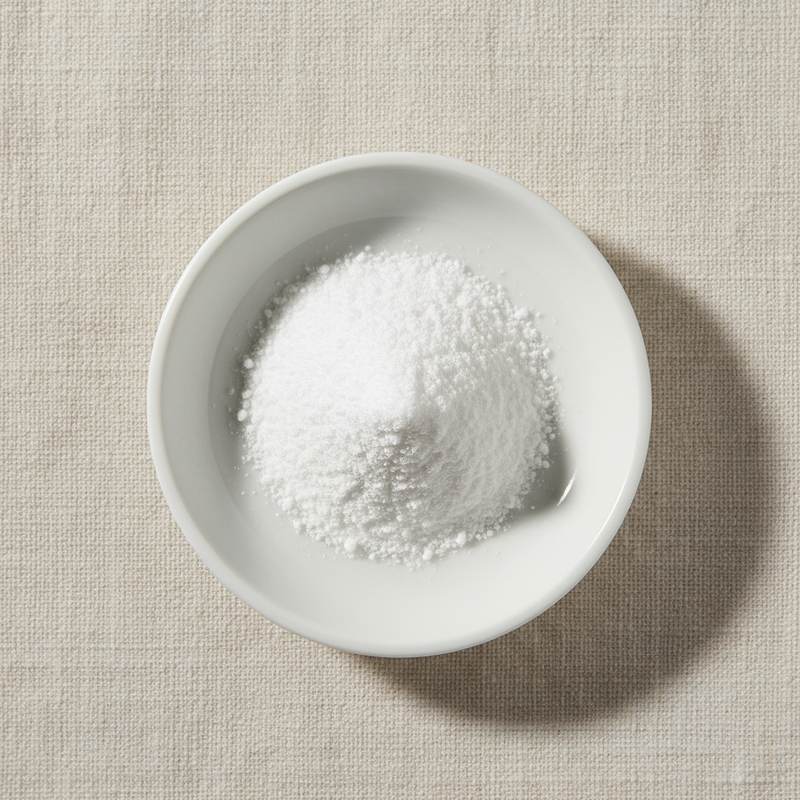
Description
The magnesium salt of citric acid, supplying approximately 11 to 16 percent elemental magnesium (form-dependent) with substantially higher bioavailability than Magnesium Oxide. The most popular magnesium form in modern supplements and functional beverages.
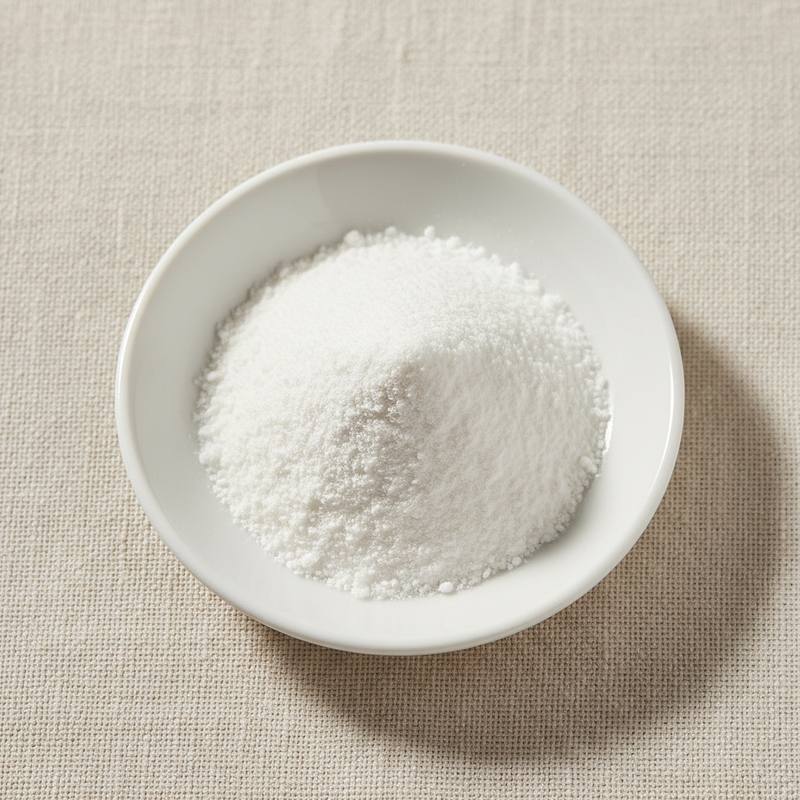
White to off-white odorless crystalline or granular powder. The anhydrous and nonahydrate forms are both commercially available; the anhydrous grade offers higher elemental magnesium per unit mass and lower hygroscopicity, while the nonahydrate is the format used in laxative oral solutions.
We supply food-grade and pharmaceutical-grade Magnesium Citrate from manufacturers in China holding ISO, FSSC 22000, Halal, Kosher, and other certifications relevant to the product and production.
Common market grades include Anhydrous Food Grade (approximately 16 percent magnesium), Nonahydrate (approximately 11 percent magnesium), Tribasic Pharmaceutical Grade for oral and injectable applications, and Direct-Compression Granulated grade for high-dose tablets and effervescent products.
Bulk and reduced-MOQ shipments. Batch-level COA covering assay, magnesium content, loss on drying, oxalate, heavy metals, and microbiology.
Introduction
Magnesium Citrate is the magnesium salt of citric acid, produced commercially by reaction of fermentation-derived citric acid with magnesium oxide, magnesium hydroxide, or magnesium carbonate. Downstream crystallization yields the anhydrous, nonahydrate, or tribasic forms used in food, supplement, and pharmaceutical applications.
Regulated as E345 in the EU, classified as Generally Recognized as Safe by the U.S. FDA under 21 CFR 184.1426, listed in USP, EP, JP, and BP pharmacopoeias, and approved by JECFA without a numerical Acceptable Daily Intake limit.
Elemental magnesium content ranges from approximately 11 percent (nonahydrate) to 16 percent (anhydrous), substantially lower than Magnesium Oxide at 60 percent. The trade-off is bioavailability: published controlled trials report magnesium absorption from Magnesium Citrate at 25 to 30 percent of intake, roughly four to five times higher than Magnesium Oxide. This translates to similar or greater delivered magnesium per dose despite the lower elemental fraction, with markedly better gastrointestinal tolerance at supplement doses below the laxative threshold.
The compound has a dual identity in commerce. At supplement doses of 200 to 400 mg elemental magnesium daily, Magnesium Citrate is the dominant supplement form globally, valued for absorption and tolerance. At higher doses of 1.5 to 3 grams, the same compound is the active ingredient in osmotic laxative oral solutions used for bowel preparation prior to colonoscopy and for treatment of constipation. The mechanism is the same in both cases; the difference is only dose.
The strategic position is bioavailability-led in supplements and effect-led in pharmaceutical laxatives. Few mineral ingredients support both markets at scale, which underwrites consistent demand across consumer-health and clinical channels.
Where it is used
- Dietary magnesium supplements: tablets, capsules, gummies, and powdered drink mixes
- Pharmaceutical osmotic laxative oral solutions for bowel preparation and constipation
- Functional sports-nutrition products targeting muscle recovery and cramp prevention
- Effervescent magnesium tablets and powder sachets
- Magnesium fortification of clear and flavored beverages
- Sequestrant and pH buffer in beverages and confectionery
- Bakery dough conditioner and mineral fortifier
- Animal feed magnesium source where bioavailability is the formulation priority
- Clinical nutrition and meal-replacement mineral premix component
Technical data
| Item | Specification |
|---|---|
| Appearance | White to off-white odorless crystalline powder |
| Assay (dry basis) | 97.0% to 102.0% |
| Magnesium content | 15.0% to 17.0% (anhydrous), 10.5% to 12.0% (nonahydrate) |
| Loss on drying (anhydrous) | ≤ 5.0% |
| Loss on drying (nonahydrate) | 30.0% to 38.0% |
| pH (5% solution) | 6.0 to 8.0 |
| Oxalate | ≤ 0.1% |
| Chloride | ≤ 0.05% |
| Sulfate | ≤ 0.1% |
| Heavy metals (as Pb) | ≤ 3 mg/kg |
| Arsenic | ≤ 2 mg/kg |
| Total plate count | ≤ 1000 CFU/g |
| Particle size | Per customer specification |
Related ingredients
Ready to discuss business?
Send us your spec and requirement. We will respond with availability and pricing within 24 hours.