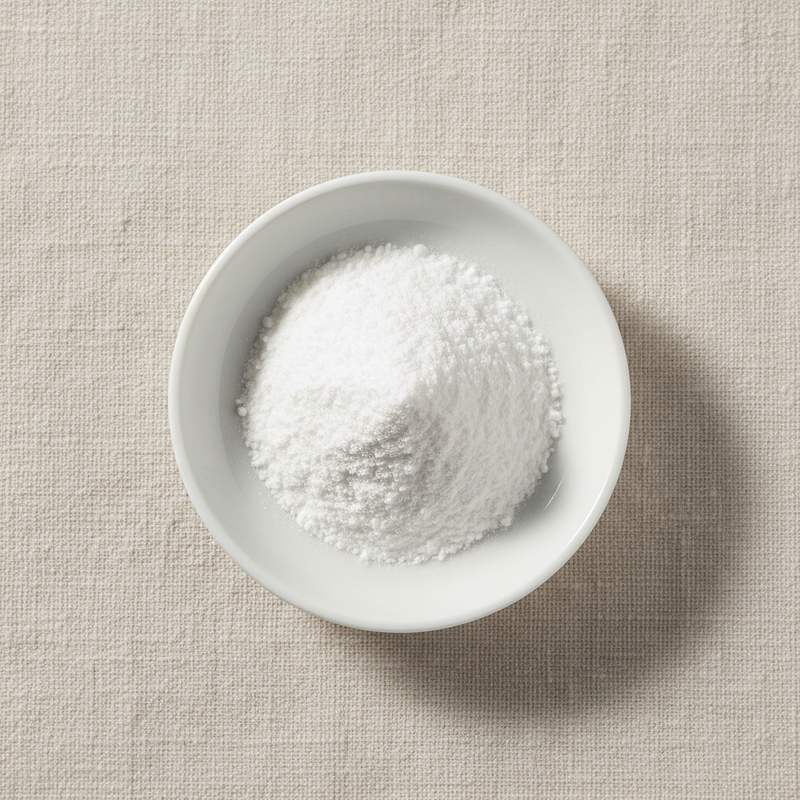
Description
The inorganic oxide of magnesium and the highest-elemental-magnesium ingredient in commercial use at approximately 60 percent magnesium by weight. The most cost-effective magnesium source per milligram of delivered mineral.
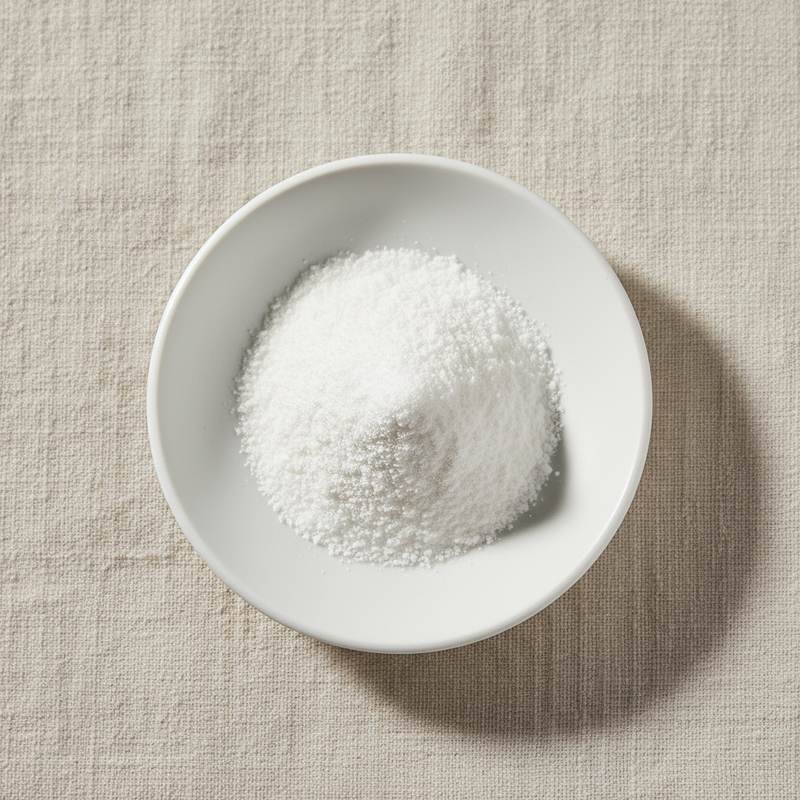
White odorless fine powder, practically insoluble in water and freely soluble in dilute acids. Two industrial forms are available: light Magnesium Oxide, with high surface area and faster reactivity, and heavy Magnesium Oxide, with lower surface area, higher bulk density, and better compaction behavior in tableting.
We supply food-grade and pharmaceutical-grade Magnesium Oxide from manufacturers in China holding ISO, FSSC 22000, Halal, Kosher, and other certifications relevant to the product and production.
Common market grades include Light Magnesium Oxide for supplements and antacid use, Heavy Magnesium Oxide for direct-compression tableting and animal feed, USP/EP/JP/BP Pharmaceutical Grade, and high-purity grades for specialty pharmaceutical and infant-nutrition applications.
Bulk and reduced-MOQ shipments. Batch-level COA covering assay, magnesium content, loss on ignition, calcium oxide content, heavy metals, and microbiology.
Introduction
Magnesium is the fourth most abundant mineral in the human body and a cofactor for more than 300 enzymatic reactions, including ATP synthesis, protein synthesis, muscle and nerve function, blood-pressure regulation, and blood-glucose control. Daily requirements are approximately 320 mg in adult women and 420 mg in adult men; deficiency is common in modern diets.
Industrial Magnesium Oxide is produced by two main routes. The seawater route precipitates magnesium hydroxide from seawater or brine, which is then calcined to Magnesium Oxide at controlled temperatures. The mineral route calcines naturally occurring magnesite or magnesium carbonate to drive off CO2. Light grades are produced at lower calcination temperatures with higher surface area; heavy grades at higher temperatures with denser, lower-reactivity crystals.
Regulated as E530 in the EU, classified as Generally Recognized as Safe by the U.S. FDA under 21 CFR 184.1431, listed in USP, EP, JP, and BP pharmacopoeias, and approved by JECFA without a numerical Acceptable Daily Intake limit.
Among magnesium salts, Magnesium Oxide offers the highest elemental fraction at approximately 60 percent, compared to 16 percent for Magnesium Citrate, 11 percent for Magnesium Glycinate, and 10 percent for Magnesium Sulfate heptahydrate. This makes it the most cost-effective per milligram of delivered magnesium. Bioavailability, however, is the lowest of the major commercial forms, with reported absorption around 4 to 6 percent versus 25 to 35 percent for Magnesium Citrate and Magnesium Glycinate. The unabsorbed fraction stays in the gut and exerts an osmotic laxative effect, which is itself the basis of pharmaceutical milk-of-magnesia products.
The strategic position is two-sided. In cost-sensitive bulk fortification and animal feed, Magnesium Oxide dominates on payload-per-dollar. In premium supplements and clinical nutrition, it is increasingly replaced by Magnesium Citrate and Magnesium Glycinate where absorption and gut tolerance are decisive. Many commercial supplements blend forms to balance cost and bioavailability.
Where it is used
- Dietary magnesium supplements: tablets, capsules, and powdered drink mixes
- Pharmaceutical antacid and laxative formulations
- Magnesium fortification of breakfast cereals, breads, and meal-replacement formulations
- Animal feed magnesium source; standard in dairy-cow diets to prevent grass tetany
- Pharmaceutical excipient and pH buffer in tablet formulations
- Anti-caking and free-flow agent in powdered foods at low inclusion
- Bakery dough conditioner and pH adjuster
- Acidity regulator in dairy and processed-cheese applications
- Mineral premix component in clinical and sports nutrition formulas
Technical data
| Item | Specification |
|---|---|
| Appearance | White odorless fine powder |
| Assay (ignited basis) | ≥ 96.0% |
| Magnesium content | ≥ 58.0% |
| Loss on ignition | ≤ 8.0% |
| Calcium oxide | ≤ 1.5% |
| Free alkali (as MgO) | ≤ 2.0% |
| Acid-insoluble matter | ≤ 0.1% |
| Chloride | ≤ 0.1% |
| Sulfate | ≤ 1.0% |
| Heavy metals (as Pb) | ≤ 3 mg/kg |
| Arsenic | ≤ 2 mg/kg |
| Particle size | Light or heavy grade, or per customer specification |
Related ingredients
Ready to discuss business?
Send us your spec and requirement. We will respond with availability and pricing within 24 hours.