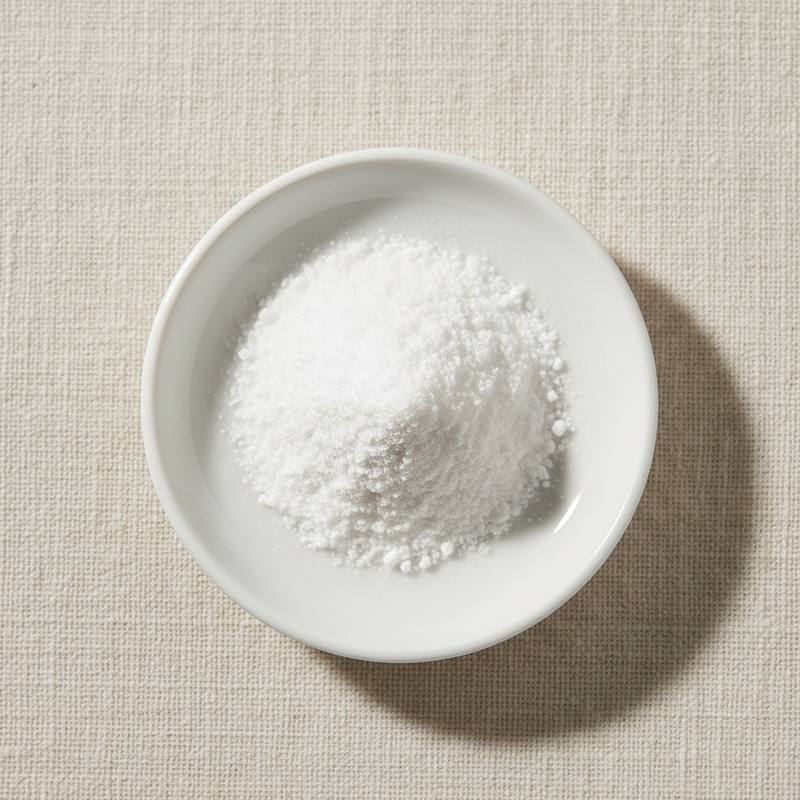
Description
An inorganic salt of sulfuric acid and magnesium, supplied as the heptahydrate (Epsom salt, approximately 9.9 percent elemental magnesium), monohydrate (approximately 16 percent), or anhydrous form. Highly soluble in water and broadly applied in pharmaceutical, food, agricultural, and industrial contexts.
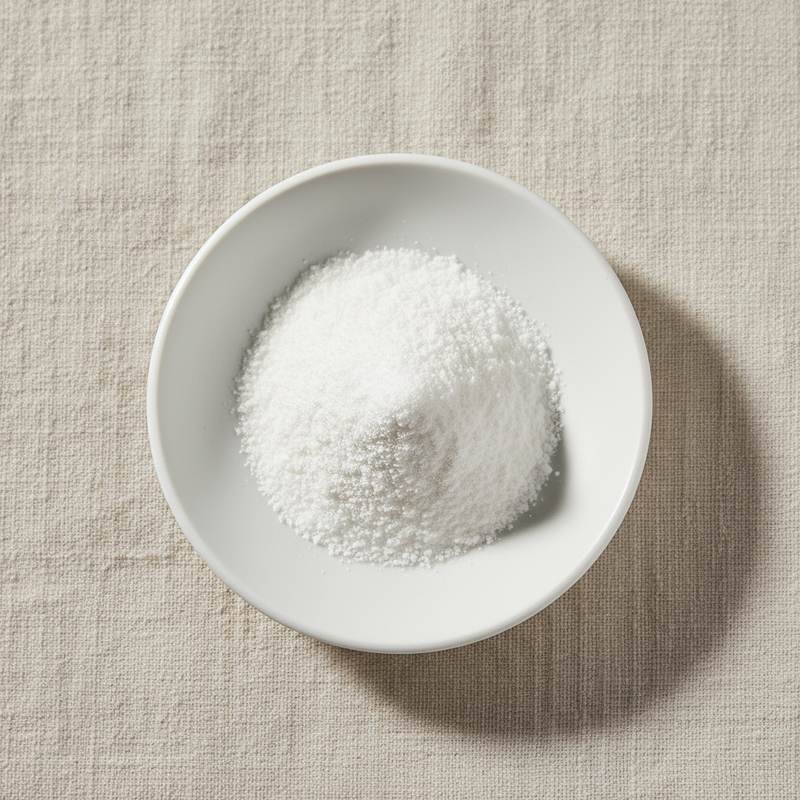
Colorless to white crystalline powder or granules with a bitter saline taste, freely soluble in water. Functions as a magnesium and sulfate source for fortification, as a laxative and parenteral electrolyte in pharmaceutical use, as a coagulant in tofu production, and as an agricultural and horticultural micronutrient fertilizer.
We supply food-grade, pharmaceutical-grade, technical-grade, and agricultural-grade Magnesium Sulfate from manufacturers in China holding ISO, FSSC 22000, Halal, Kosher, and other certifications relevant to the product and production.
Common market grades include USP and EP heptahydrate for pharmaceutical and parenteral use, food-grade heptahydrate (E518) for tofu coagulation and beverage fortification, monohydrate grades for animal feed and fertilizer applications, dried (kieserite) for soil amendment, and bath-salt grades. Bulk and reduced-MOQ shipments with batch-level COA covering assay, water of crystallization, heavy metals, and microbiology.
Introduction
Magnesium sulfate has been used medicinally and agriculturally since the seventeenth century when it was first isolated from a saline spring in Epsom, England. Sulfate is itself a required nutrient for protein and connective tissue synthesis, contributing to the dual fortification role of the salt.
Industrial production uses several routes: dissolution of natural kieserite (MgSO4 H2O) ore deposits followed by recrystallization to the heptahydrate; reaction of magnesium hydroxide or oxide with sulfuric acid; and as a co-product of seawater bittern processing. Pharmacopoeial heptahydrate is produced under tight control of heavy metal and microbiological impurities for parenteral use.
Regulatory status includes USP, EP, JP, and BP monographs for pharmaceutical use, GRAS status under 21 CFR 184.1443 for food use, authorization as food additive E518 in the European Union, and approval as a fertilizer under multiple national agricultural frameworks.
Bioavailability of magnesium from sulfate is moderate when administered orally (around 4 percent absorption at high doses, where the salt acts as an osmotic laxative) and complete when administered parenterally. The sulfate form is preferred in pharmaceutical applications where rapid bioavailability or osmotic laxation is the therapeutic goal.
Where it is used
- Pharmaceutical parenteral electrolyte and laxative formulations
- Tofu and bean curd coagulant in soy product manufacture
- Magnesium fortification of beverages and functional foods
- Agricultural and horticultural micronutrient fertilizer
- Bath salts and topical magnesium products
- Brewing water adjustment and beer fermentation
- Animal feed magnesium and sulfate source
- Aquaculture water balance management
- Cement and gypsum board production
Technical data
| Item | Specification |
|---|---|
| Appearance | Colorless to white crystalline powder or granules |
| Assay (heptahydrate basis) | 99.0 to 100.5% |
| Elemental magnesium (heptahydrate) | 9.8 to 9.9% w/w |
| Identification | Meets pharmacopoeial tests for magnesium and sulfate |
| pH (5% solution) | 5.0 to 9.2 |
| Chloride | ≤ 200 mg/kg |
| Iron | ≤ 10 mg/kg |
| Heavy metals (as Pb) | ≤ 10 mg/kg |
| Arsenic | ≤ 2 mg/kg |
| Loss on drying (105 °C) | 40 to 52% (heptahydrate) |
| Microbiology | Meets pharmacopoeial limits for food/pharmaceutical grade |
| Shelf life | 36 months from manufacture under recommended storage |
| Storage | Cool, dry, sealed; protect from humidity |
Related ingredients
Ready to discuss business?
Send us your spec and requirement. We will respond with availability and pricing within 24 hours.