Description
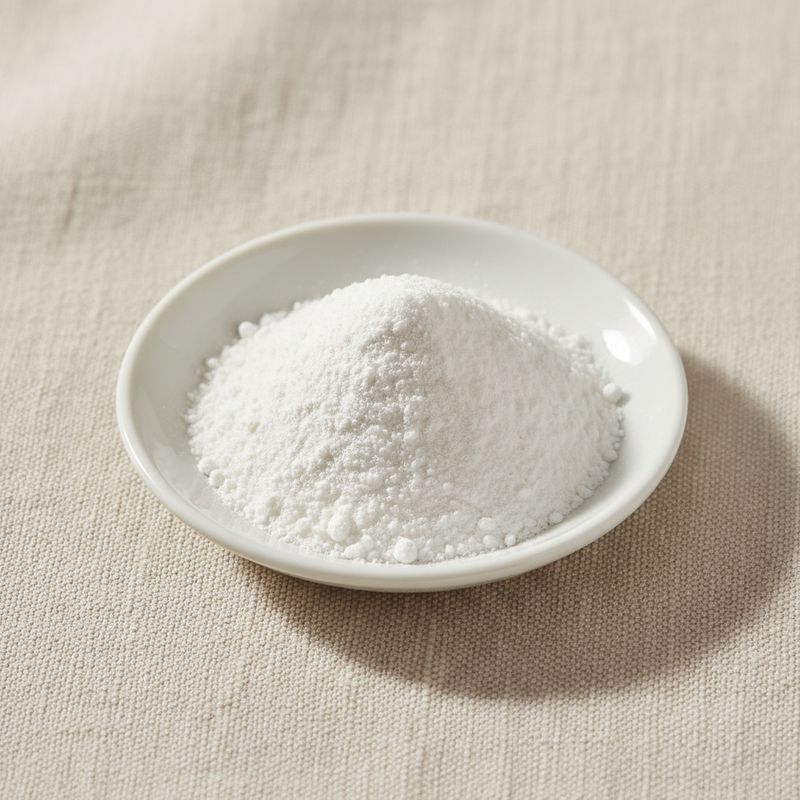
An inorganic magnesium salt of carbonic acid, supplying approximately 25 to 28 percent elemental magnesium by weight depending on hydrate form. The basic magnesium carbonate form (4MgCO3 Mg(OH)2 4H2O) is the most common commercial article.
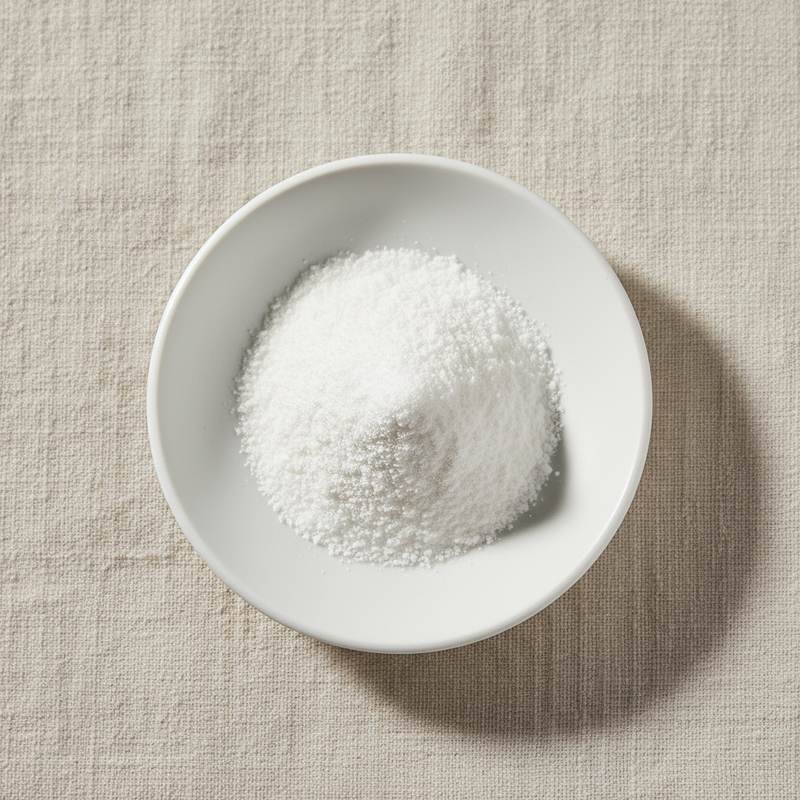
White odorless light bulky powder, practically insoluble in water and freely soluble in dilute acids. Functions as a magnesium fortificant, an acidity regulator (E504), and an anticaking agent in food and dietary supplement applications.
We supply food-grade and pharmaceutical-grade Magnesium Carbonate from manufacturers in China holding ISO, FSSC 22000, Halal, Kosher, and other certifications relevant to the product and production.
Common market grades include Light Magnesium Carbonate for tableting and supplement applications, Heavy (Granular) Magnesium Carbonate for direct compression, USP and EP pharmacopoeial grades, anticaking grades for table salt and powdered beverages, and animal feed grades. Bulk and reduced-MOQ shipments with batch-level COA covering assay, elemental magnesium, loss on drying, heavy metals, and microbiology.
Introduction
Magnesium is the fourth most abundant cation in the human body and an essential cofactor for over 300 enzymatic reactions including those of energy metabolism, protein synthesis, and neuromuscular function. Dietary intake is frequently below the recommended level in industrialized diets, supporting widespread use of magnesium supplements and food fortificants.
Industrial production proceeds by precipitation of magnesium carbonate from soluble magnesium salts (sulfate or chloride) with sodium carbonate, followed by filtration, washing, and drying. Light grades are produced by controlling precipitation conditions to yield bulky, low-density crystals. Heavy granular grades are produced by post-drying granulation and sieving.
Regulatory status includes inclusion on the FDA list of substances Generally Recognized as Safe (21 CFR 184.1425), authorization as food additive E504 in the European Union, USP, EP, JP, and BP monographs, and approval for use as a feed additive under EU Regulation 1831/2003.
Bioavailability of magnesium from carbonate is moderate (around 5 to 20 percent absorption) and acid-dependent, with absorption favored at lower gastric pH. Carbonate is the highest elemental-magnesium-per-gram cost-effective mineral source, supporting its dominance in mass-market multivitamin and antacid applications, while organic chelate forms (citrate, malate, glycinate) are positioned for premium absorption.
Where it is used
- Magnesium supplements in tablets, capsules, and powdered beverages
- Antacid formulations
- Anticaking agent in table salt and powdered seasonings
- Acidity regulator (E504) in food applications
- Calcium-magnesium fortification of dairy and plant beverages
- Pharmaceutical excipient for tableting
- Cosmetic and personal care dusting powders
- Animal feed magnesium fortification
- Climbing chalk and sports drying applications
Technical data
| Item | Specification |
|---|---|
| Appearance | White odorless light bulky powder |
| Assay (as MgCO3 basis) | 40 to 45% (light grade); higher for heavy grade |
| Elemental magnesium | 25 to 28% w/w |
| Loss on drying | ≤ 5.0% |
| Loss on ignition | 56 to 63% (light grade) |
| Acid-insoluble matter | ≤ 0.05% |
| Heavy metals (as Pb) | ≤ 10 mg/kg |
| Arsenic | ≤ 2 mg/kg |
| Chloride | ≤ 0.1% |
| Sulfate | ≤ 0.5% |
| Soluble salts | ≤ 1.0% |
| Microbiology | Meets pharmacopoeial limits for food/pharmaceutical grade |
| Shelf life | 36 months from manufacture under recommended storage |
| Storage | Cool, dry, sealed; protect from acids |
Related ingredients
Ready to discuss business?
Send us your spec and requirement. We will respond with availability and pricing within 24 hours.