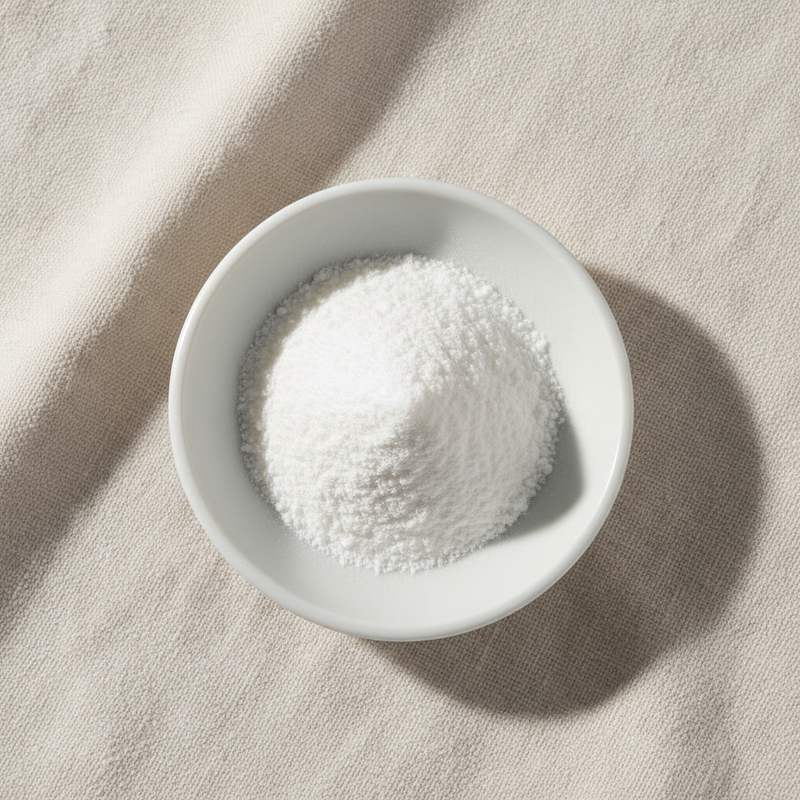
Description
A magnesium-amino-acid chelate in which magnesium is bound to two molecules of glycine through coordination bonds. The premium supplement form selected for highest bioavailability, gentlest gastrointestinal profile, and absorption through amino-acid transport pathways rather than ionic uptake.
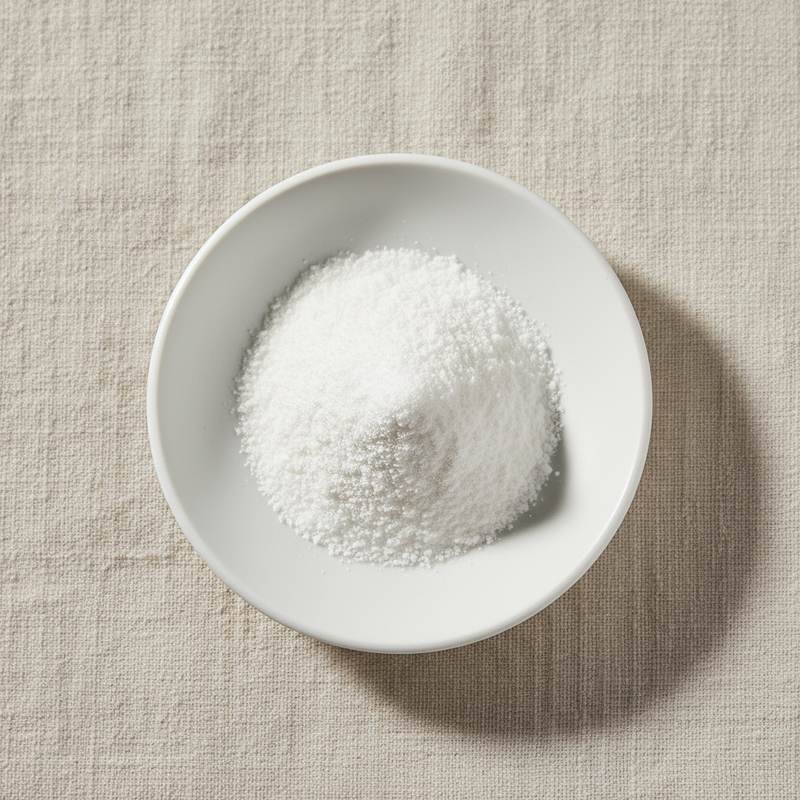
White to off-white odorless free-flowing powder. Approximately 11 percent elemental magnesium in the fully chelated bisglycinate, with buffered grades available at lower elemental content where extreme gastric tolerance is required.
We supply food-grade and pharmaceutical-grade Magnesium Glycinate from manufacturers in China holding ISO, FSSC 22000, Halal, Kosher, and other certifications relevant to the product and production. TRAACS-style fully reacted chelate grades are available on request.
Common market grades include Fully Reacted Magnesium Bisglycinate (approximately 18 to 20 percent magnesium), Buffered Magnesium Glycinate (typically blended with Magnesium Oxide, 11 to 14 percent magnesium), and Direct-Compression grade for high-dose tablets and capsules. Verified chelation can be confirmed by FTIR fingerprinting on request.
Bulk and reduced-MOQ shipments. Batch-level COA covering assay, magnesium content, glycine content, chelation confirmation, heavy metals, and microbiology.
Introduction
Magnesium Glycinate, more precisely Magnesium Bisglycinate, is an amino-acid chelate in which one magnesium cation is bound to two glycine molecules through coordinate covalent bonds. The chelated structure means the magnesium passes through the gut wall using amino-acid transport pathways rather than relying on ionic uptake, an absorption route that does not depend on gastric acid and is largely unaffected by phytates and other dietary chelators that inhibit absorption of ionic magnesium.
Industrial manufacture combines food-grade magnesium oxide or magnesium carbonate with food-grade glycine under controlled pH, temperature, and stoichiometry to produce a fully reacted bisglycinate chelate. Chelation is verified by FTIR or other spectroscopic methods; the difference between a true chelate and a physical mixture of magnesium salt with glycine is decisive for bioavailability claims.
The European Food Safety Authority issued a positive opinion on Magnesium Glycinate in 2014, authorizing its use in food supplements. In the United States, magnesium amino-acid chelates are recognized as nutrient sources for supplement labeling under FDA guidance. Pharmacopoeial monographs are emerging in regional codices, and most commercial product is supplied under detailed manufacturer specifications rather than pharmacopoeial standards.
Among magnesium forms, Magnesium Glycinate sits at the premium end of the spectrum. Elemental magnesium content is roughly equivalent to Magnesium Citrate at 11 to 20 percent depending on grade, substantially lower than Magnesium Oxide. Published bioavailability studies and clinical data consistently report higher absorption and lower laxative incidence than ionic salts, supporting its position in clinical nutrition and sleep/stress consumer-health applications.
The added value of the glycine co-delivery is itself meaningful: glycine is an inhibitory neurotransmitter and a precursor to glutathione, and its co-administration is the basis of much of the marketing in stress, sleep, and relaxation supplement categories. The strategic position is clearly defined: highest bioavailability, lowest gastric side effects, premium price point, and a clean amino-acid story that pairs naturally with sleep and recovery claims.
Where it is used
- Premium dietary magnesium supplements: tablets, capsules, and powdered drink mixes
- Sleep, stress, and relaxation supplement formulations leveraging the glycine co-delivery
- Functional sports-nutrition products targeting recovery without laxative effect
- Clinical nutrition formulations for patients with sensitive digestion
- Magnesium fortification of premium functional beverages and meal replacements
- Pediatric supplement formulations where gastric tolerance is critical
- Pre- and post-workout drink mixes
- Stack-format supplements combining magnesium with other amino-acid chelates
Technical data
| Item | Specification |
|---|---|
| Appearance | White to off-white odorless free-flowing powder |
| Assay (dry basis) | ≥ 97.0% |
| Magnesium content | 11.0% to 20.0% (grade-dependent) |
| Glycine content | ≥ 70.0% (fully reacted grade) |
| Chelation | Confirmed by FTIR fingerprint |
| Loss on drying | ≤ 5.0% |
| pH (5% solution) | 7.0 to 9.0 |
| Heavy metals (as Pb) | ≤ 3 mg/kg |
| Arsenic | ≤ 2 mg/kg |
| Total plate count | ≤ 1000 CFU/g |
| Yeast and mold | ≤ 100 CFU/g |
| Particle size | Per customer specification |
Related ingredients
Ready to discuss business?
Send us your spec and requirement. We will respond with availability and pricing within 24 hours.