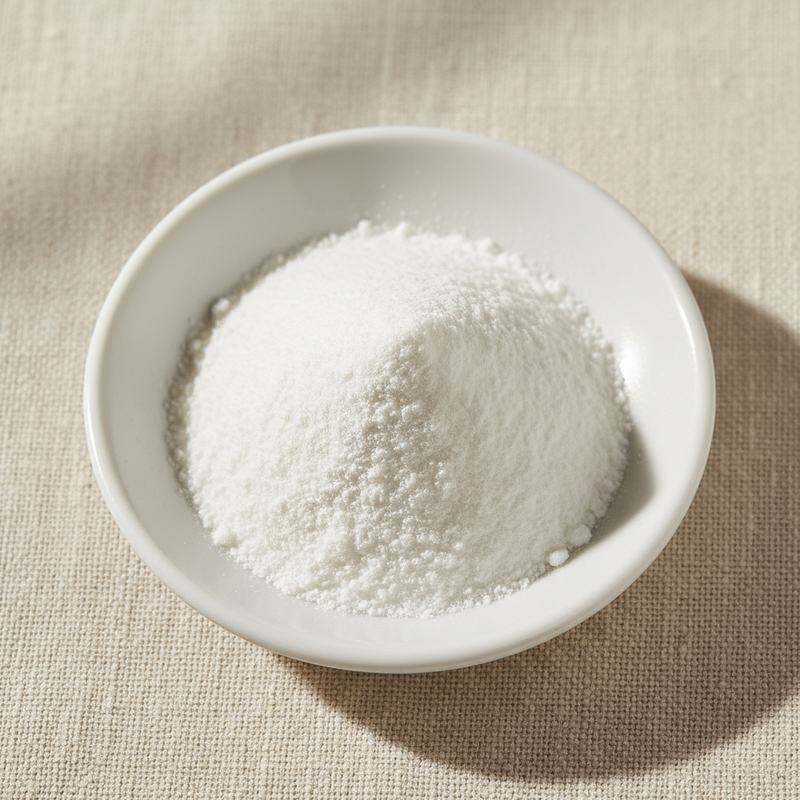
Description
The tripotassium salt of citric acid, supplying approximately 38 percent elemental potassium with strong urinary-alkalinization activity and a clean, mildly saline taste. The form of choice for potassium fortification, alkalinizing nutrition, and kidney-stone prevention therapy.
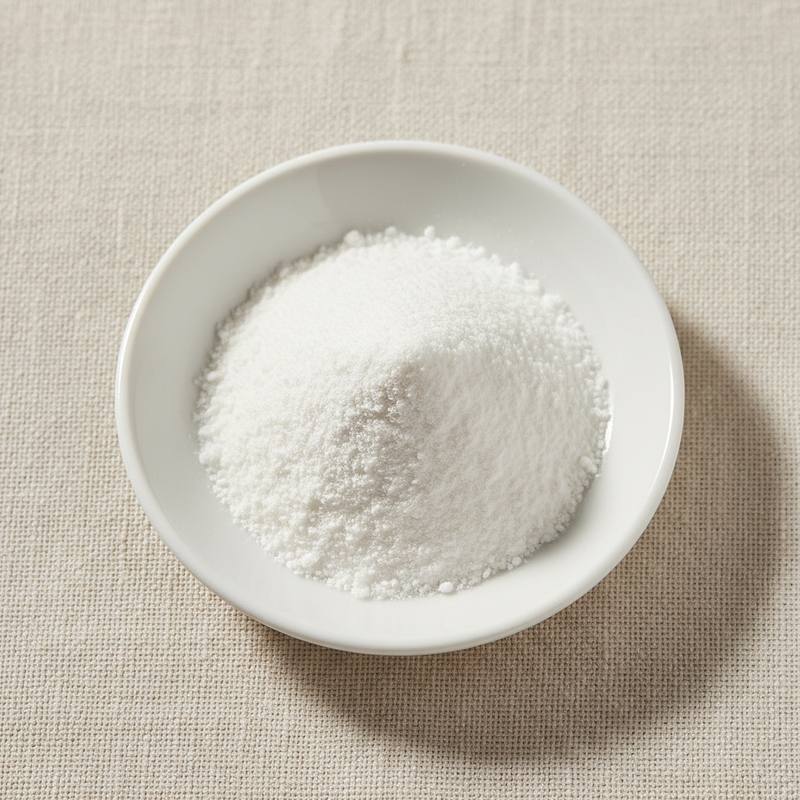
White to off-white odorless crystalline or granular powder. Freely soluble in water; the monohydrate is the dominant commercial form, with the anhydrous grade available for moisture-sensitive applications.
We supply food-grade and pharmaceutical-grade Potassium Citrate from manufacturers in China holding ISO, FSSC 22000, Halal, Kosher, and other certifications relevant to the product and production.
Common market grades include Standard Food Grade Monohydrate, Anhydrous Grade, USP/EP/JP/BP Pharmaceutical Grade for tablets and oral solutions, Granulated Direct-Compression grade for extended-release kidney-stone therapy, and Powder grade for beverage and effervescent applications.
Bulk and reduced-MOQ shipments. Batch-level COA covering assay, potassium content, loss on drying, sodium content, heavy metals, and microbiology.
Introduction
Potassium Citrate is the tripotassium salt of citric acid, manufactured by neutralization of fermentation-derived citric acid with potassium hydroxide or potassium carbonate, followed by crystallization to the monohydrate or anhydrous form.
Regulated as E332 in the EU, classified as Generally Recognized as Safe by the U.S. FDA under 21 CFR 184.1625, listed in USP, EP, JP, and BP pharmacopoeias, and approved by JECFA without a numerical Acceptable Daily Intake limit. Approved for medical use as a urinary alkalinizer in most jurisdictions, including FDA approval for the prevention of calcium oxalate and uric acid kidney stones.
Elemental potassium content of approximately 38 percent sits between Potassium Chloride (52 percent) and Potassium Gluconate (17 percent). The defining clinical and physiological characteristic is alkalinization: the citrate counter-ion is metabolized to bicarbonate, raising urinary pH and citrate excretion, which inhibits calcium oxalate crystallization in the kidneys. No other common potassium salt shares this property, which is why Potassium Citrate is the specific pharmaceutical agent for kidney-stone prevention.
In food and nutrition applications, Potassium Citrate is preferred over Potassium Chloride where the cleaner, less metallic taste is decisive, and where the citrate counter-ion adds buffering and sequestration functionality alongside the potassium nutrition story. In sodium-reduction salt blends, Potassium Citrate is typically used at lower inclusion than Potassium Chloride because of cost, but at higher inclusion in premium products where bitterness must be minimized.
The strategic position is dual: clinical pharmaceutical use in kidney-stone prevention as an irreplaceable specific therapy, and food-and-supplement use in potassium fortification and sodium-reduction at the premium end of the market where taste and functional buffering justify a higher ingredient cost.
Where it is used
- Pharmaceutical urinary alkalinizer; the standard therapy for prevention of calcium oxalate and uric acid kidney stones
- Potassium fortification of sports drinks, electrolyte beverages, and oral rehydration solutions
- Sequestrant, buffer, and acidity regulator in beverages, dairy, and processed foods
- Dietary potassium supplements: tablets, capsules, and effervescent formats
- Low-sodium and reduced-sodium salt blends and seasonings
- Cured-meat and processed-meat curing systems with reduced sodium
- Functional foods and meal-replacement mineral premix component
- Bakery applications as a yeast nutrient and pH buffer
- Animal feed potassium source and electrolyte component
Technical data
| Item | Specification |
|---|---|
| Appearance | White to off-white odorless crystalline powder |
| Assay (dry basis) | 99.0% to 100.5% |
| Potassium content | 37.0% to 39.0% |
| Loss on drying (monohydrate) | 3.0% to 6.0% |
| pH (5% solution) | 7.5 to 9.0 |
| Sodium | ≤ 0.3% |
| Chloride | ≤ 0.05% |
| Sulfate | ≤ 0.1% |
| Tartrate | ≤ 0.1% |
| Heavy metals (as Pb) | ≤ 3 mg/kg |
| Arsenic | ≤ 2 mg/kg |
| Total plate count | ≤ 1000 CFU/g |
| Particle size | Per customer specification |
Related ingredients
Ready to discuss business?
Send us your spec and requirement. We will respond with availability and pricing within 24 hours.